
BEAUTIFUL FAILURES
Discarded glass and
the Barcelona Pavilion
Barcelona, Spain
Beautiful Failures is a collection of discarded hand blown glass pieces, collected by Elisava’s Masters in Ephemeral Architecture and Temporary Space Design students, under the supervision of Stella Rahola Matutes and Roger Paez, in collaboration with Fundació Mies van der Rohe.
Taking glass as the main topic of our work, we proposed a collection of defective pieces and workshop failures, addressed and catalogued over a 4-month period.
Taking “failures” as a starting point, we explore the transformative possibilities of rejected materials by seeking to endow them with new meanings in a spatial framework.
We claim that if we get involved with our work in a deeper sense we could also have greater empathy with the way others work, allowing us to move from a society of “consumers” to a society of “makers”.
We are deeply interested in the abilities of those who produce things, and we hope others will share this interest in what we do.
This argument focuses on a sustainable material culture and an economic system characterized by reducing passive consumerism and promoting active production of doing, adapting, repairing and sharing: a system where there is much more potential for novelty and pleasure.
Team: Alexa Nader, Assil Naji, Brentsen Solomon, Dalia Al-Akki, Eirini Sampani, Elena Caubet, Jad Karam, Jana Antoun, Joelle Nader, Juan Arizti, Kuan Yi Wu, Ines Fernandez, Marta Borreguero, Mokshuda Narula, Montserrat Sevilla, Selen Kurt, Stephanie Ibrahim, Tanvi Gupta, Tiago Rosado, Tracy Jabbour, Yunling Jin
Directors: Stella Rahola, Roger Paez, Toni Montes
Presented by the Masters in Ephemeral Architecture & Temporary Spaces | Elisava 2019-20 in collaboration with Fundació Mies van der Rohe
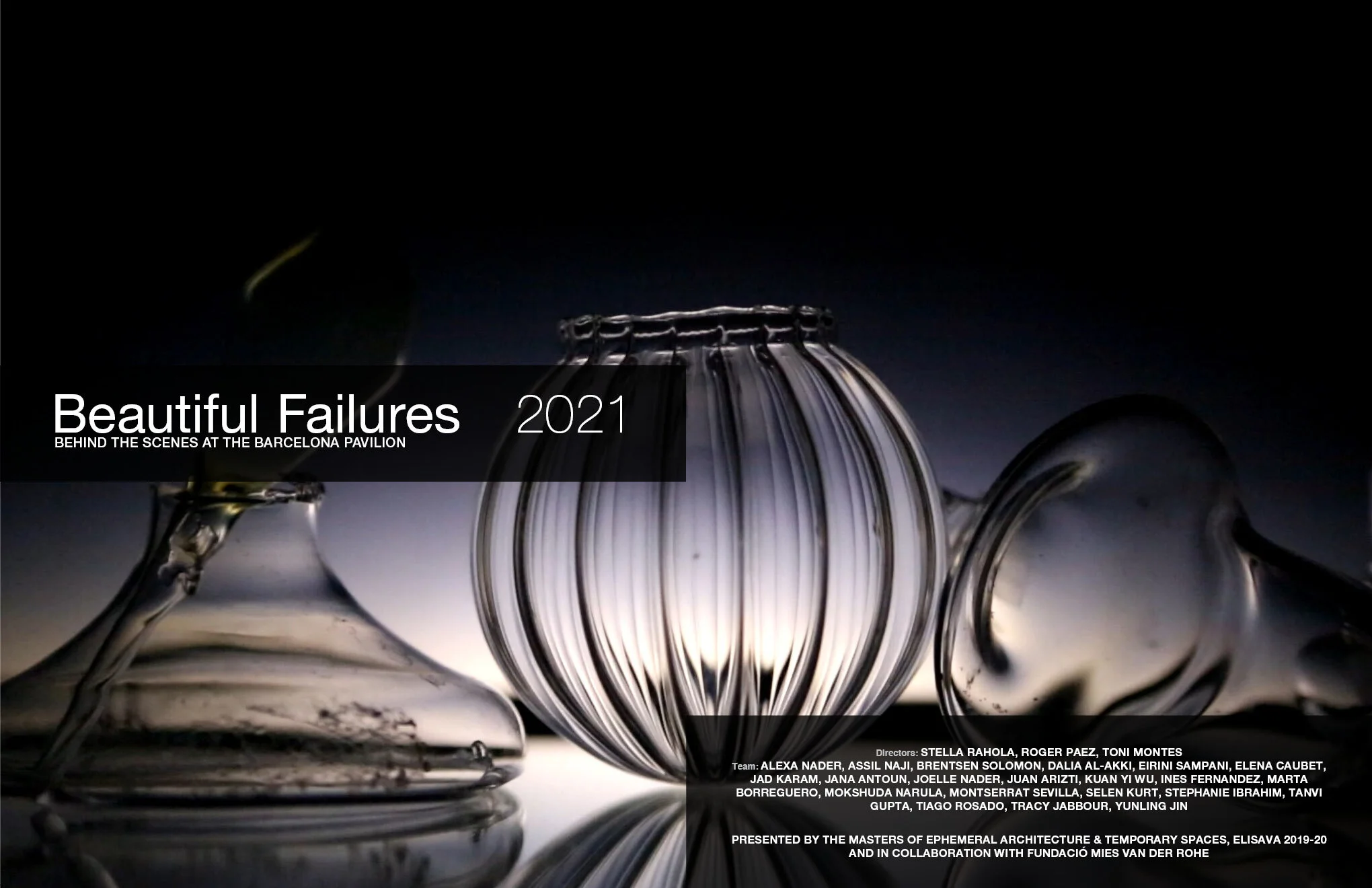
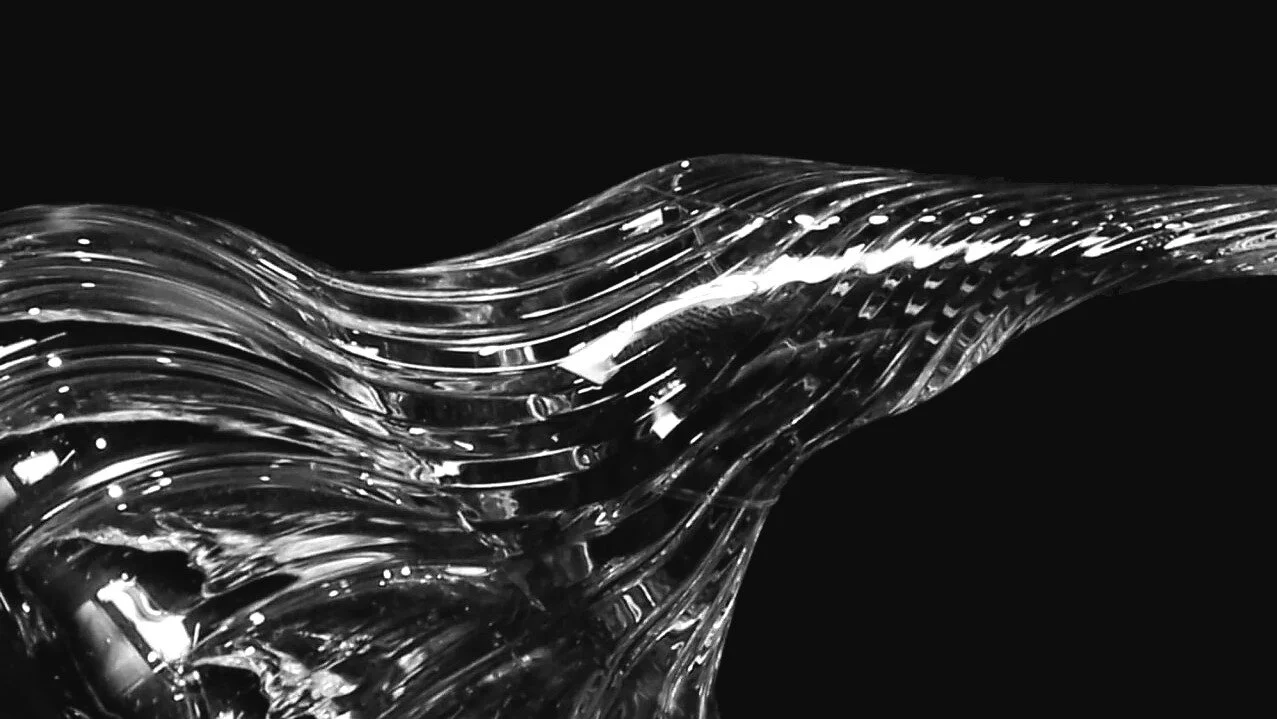
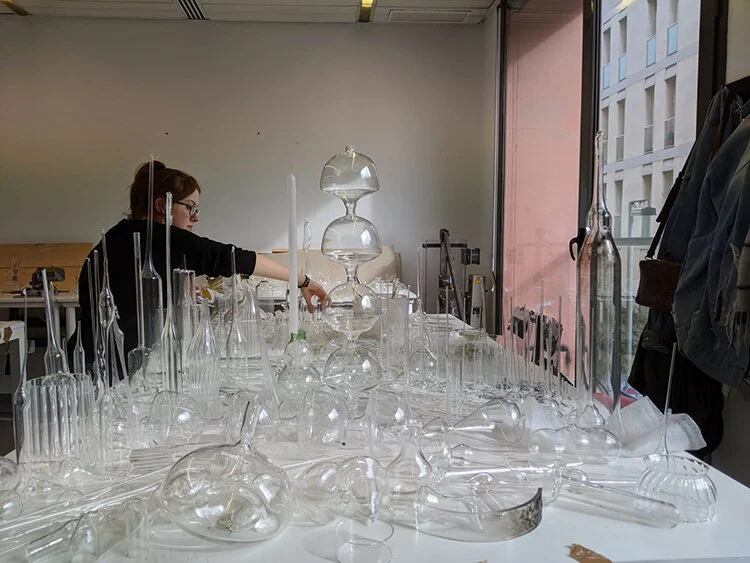
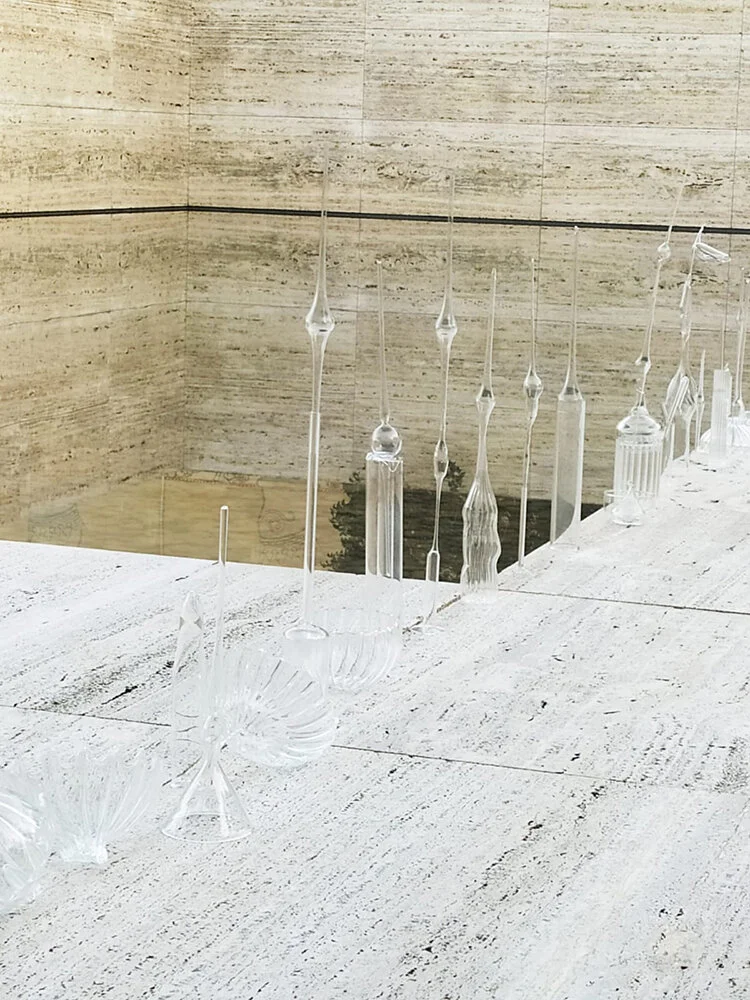
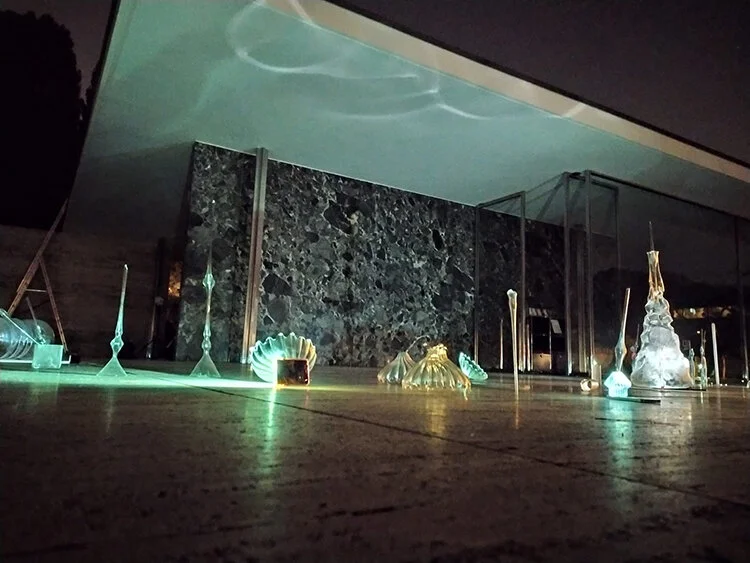
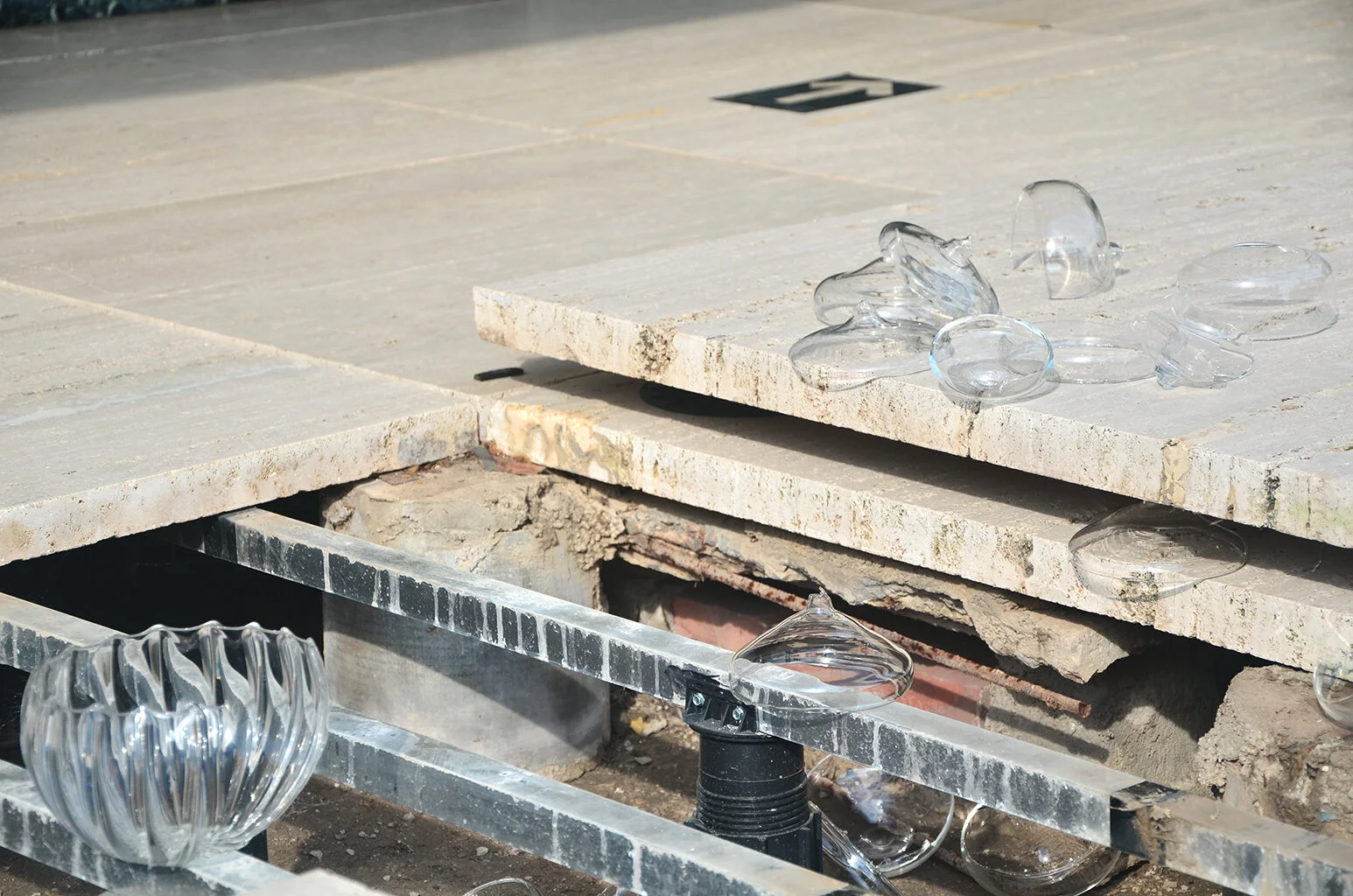
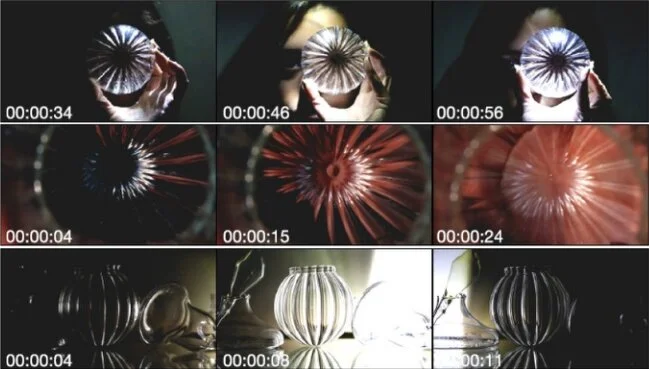
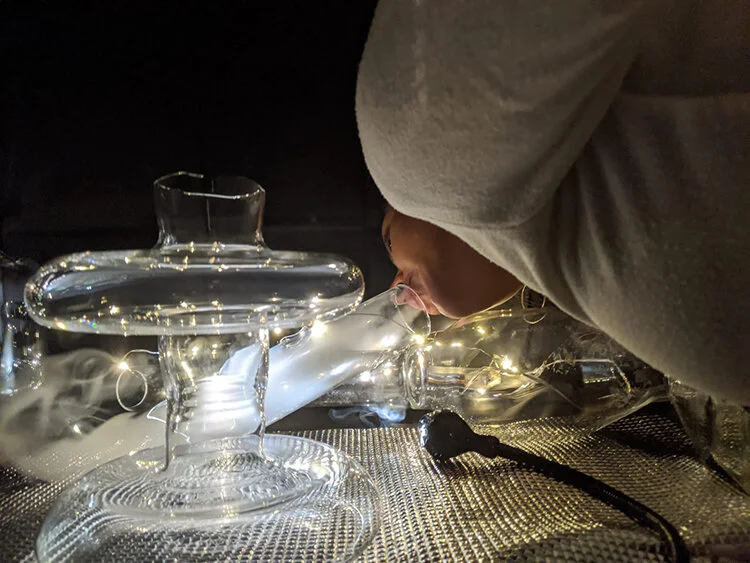
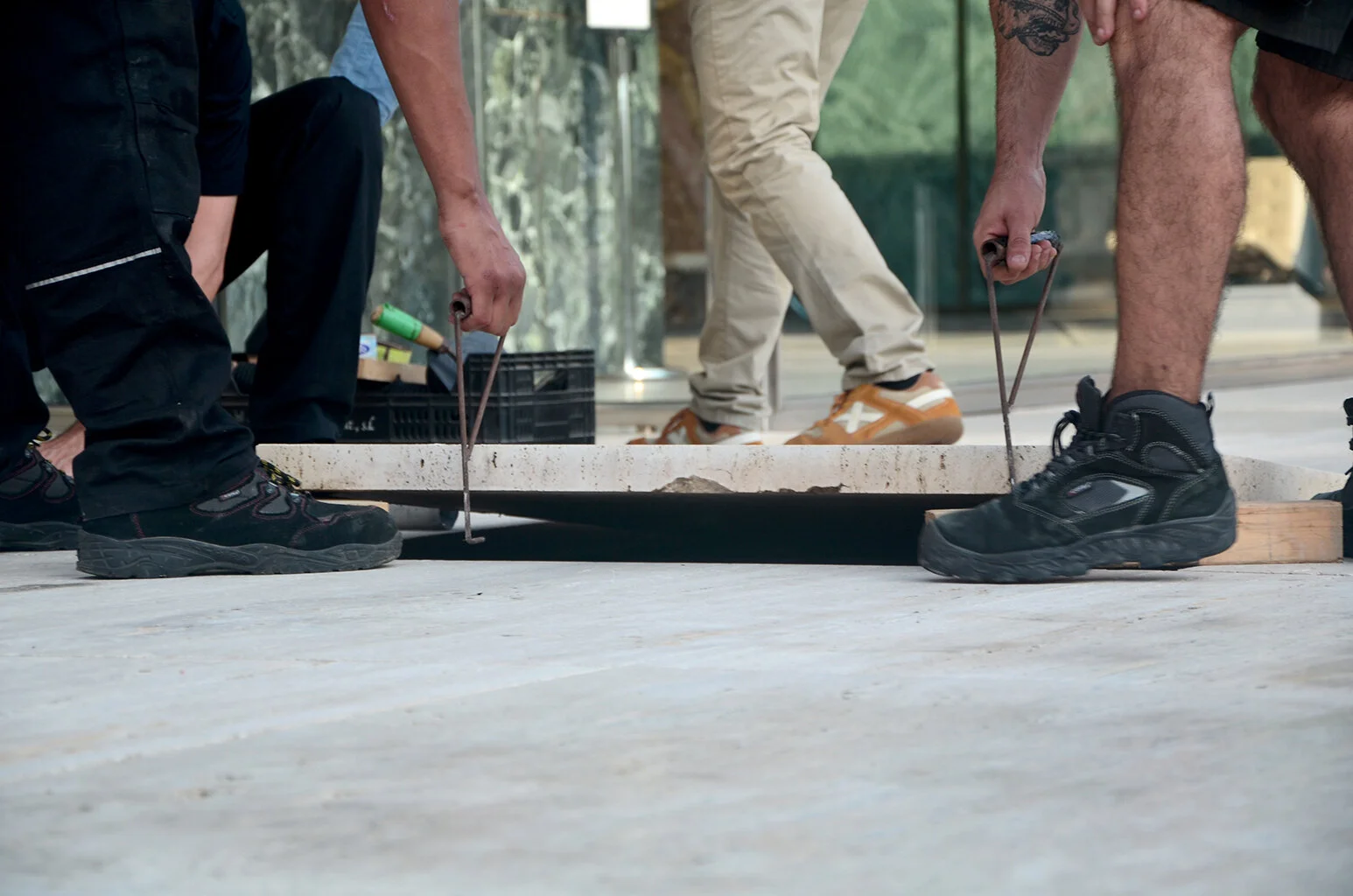
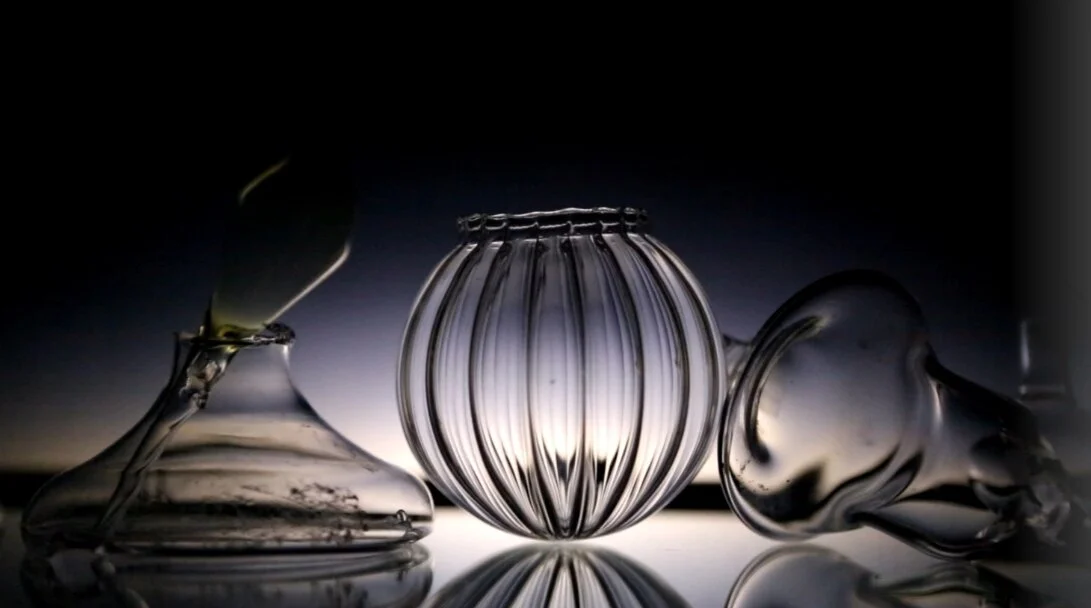
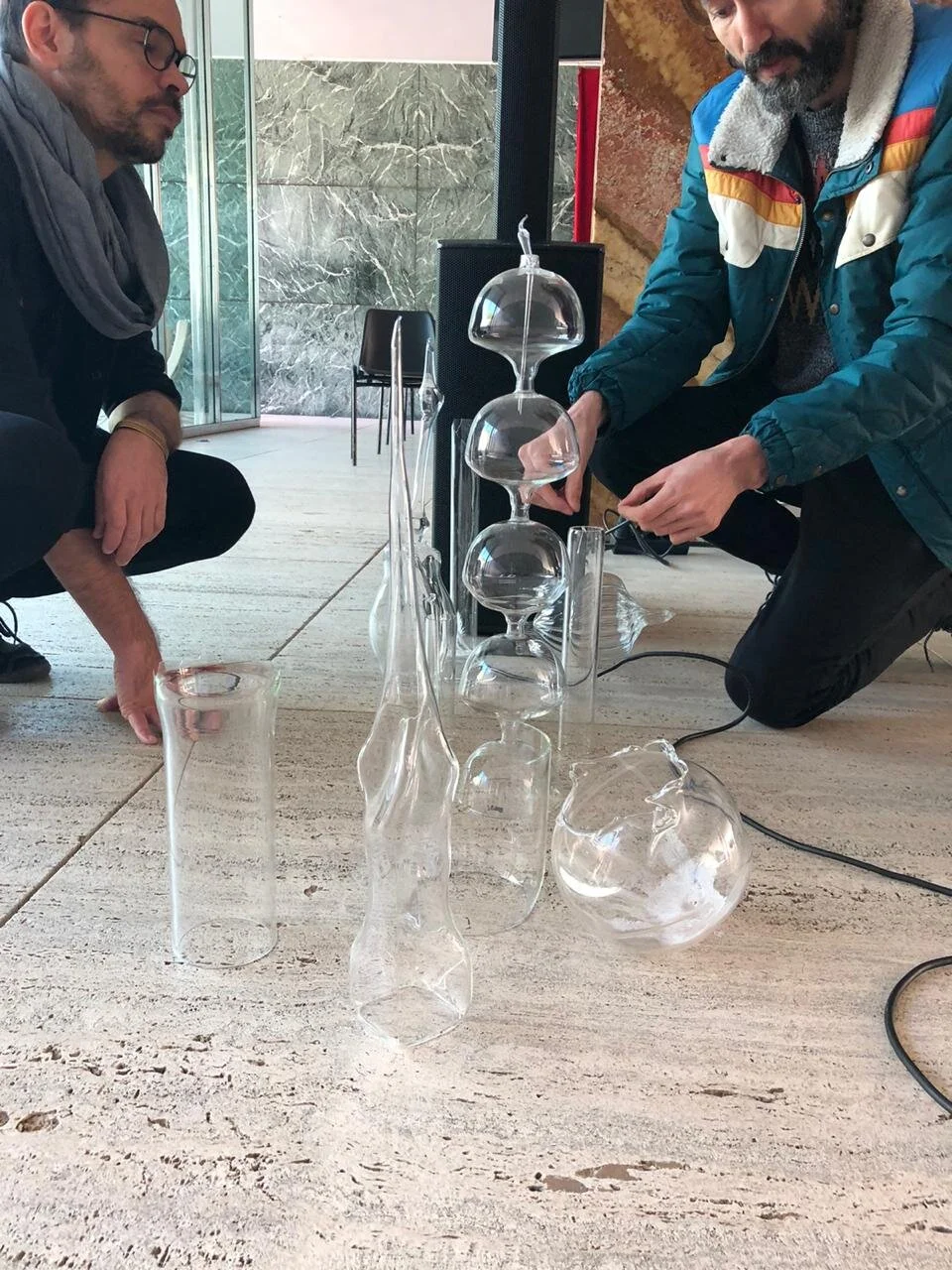
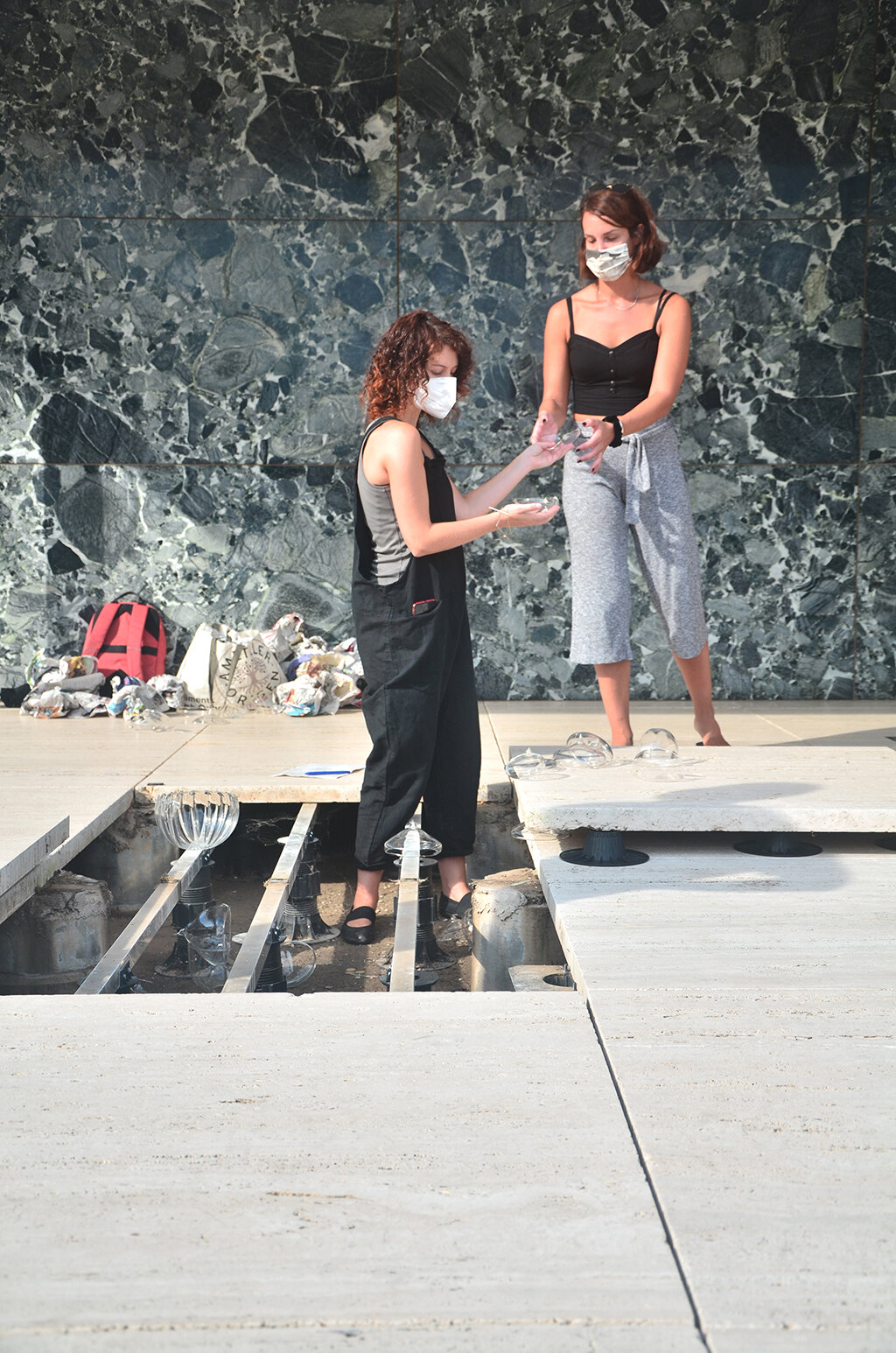
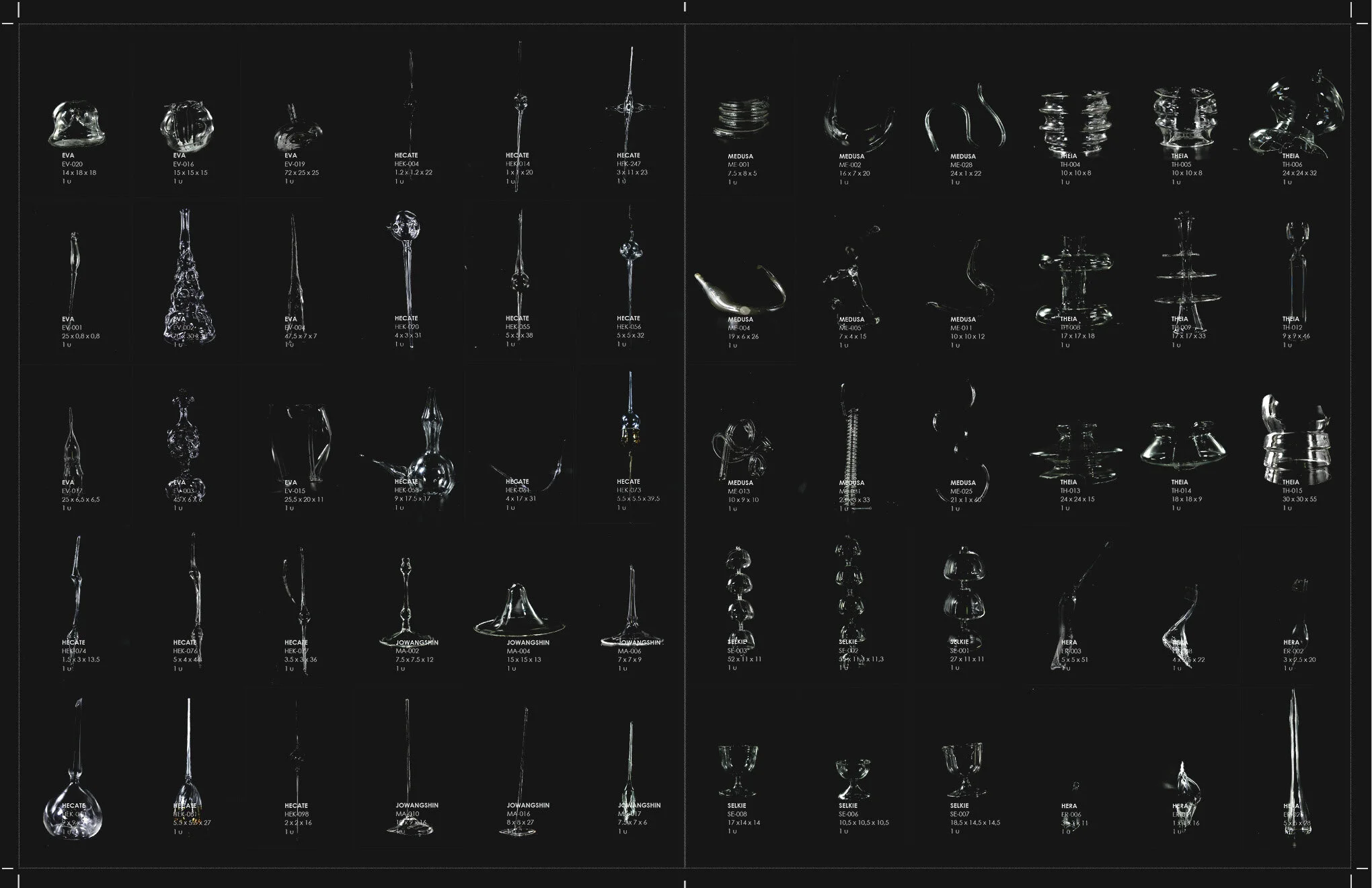
The process started with collecting around 2000 borosilicate glass pieces from craft studios in Barcelona. Those were then sorted and divided into families, based on common morphological characteristics. Seventeen families were formed, each given a strong historical woman’s name with a back story related with its morphology.
From the 2000 pieces, a total of 1126, therefore 57% of the glass pieces were selected, sorted and measured. Of those 1126, 258 were photographed to be featured in the catalogue, resulting in 23% of the total amount.