PLUG-IN ECOLOGY:
Urban Farm Pod with Agronomy
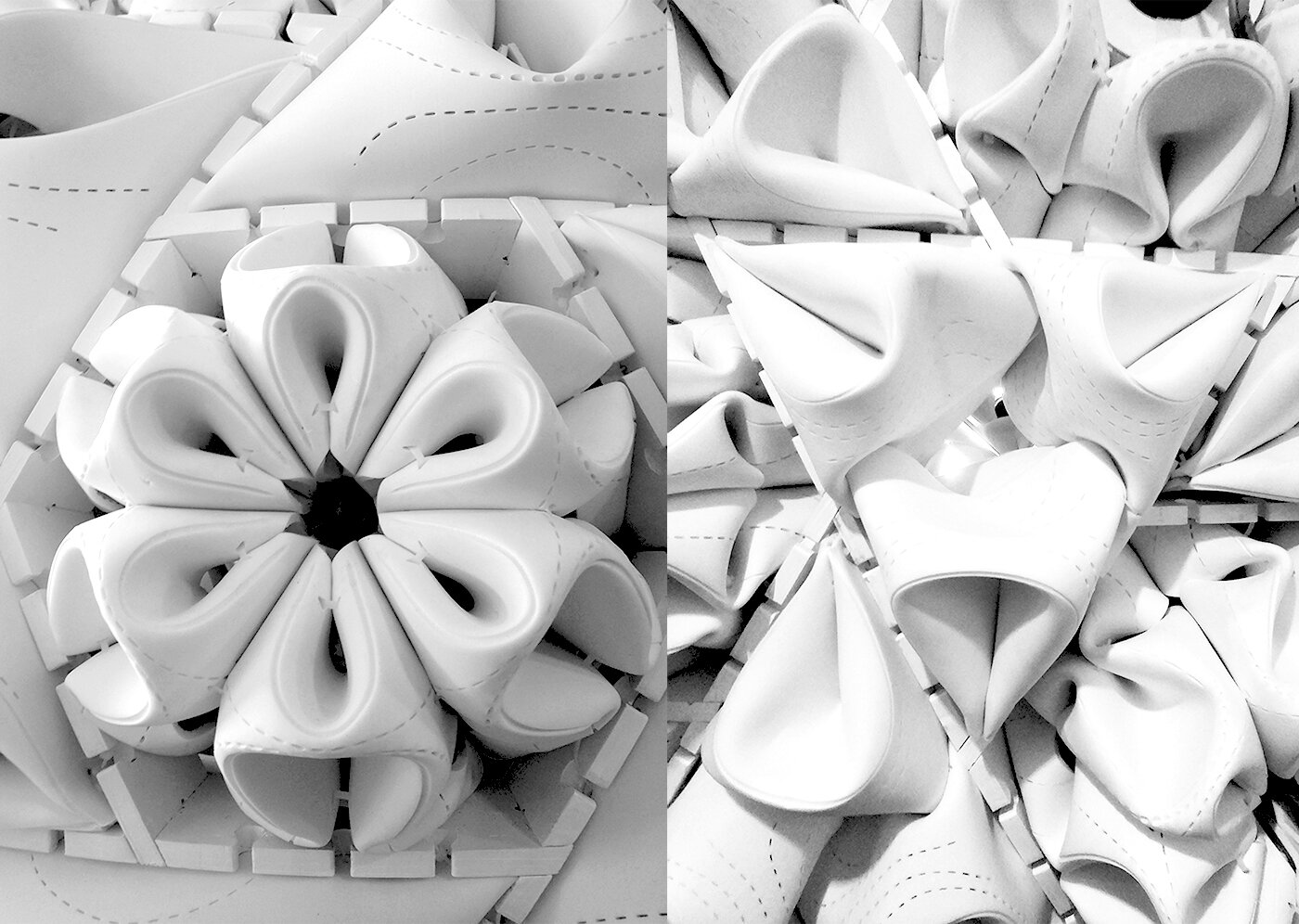
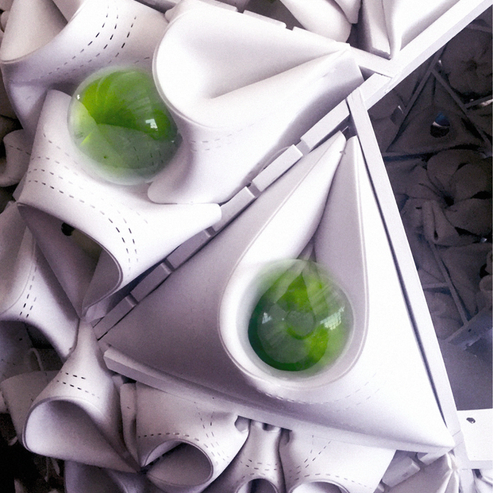
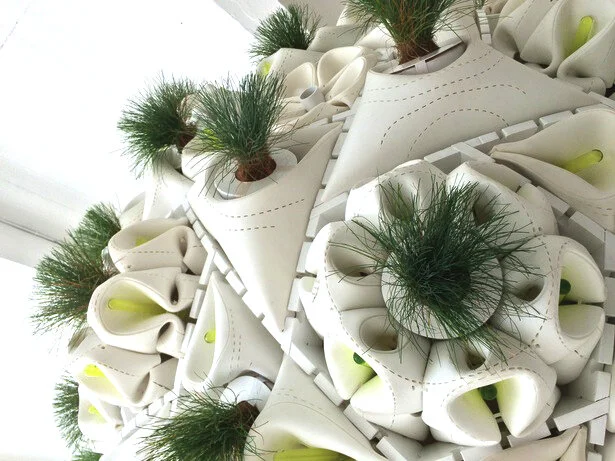
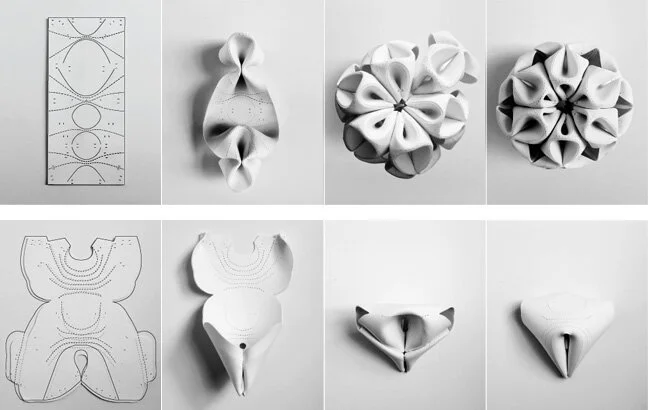
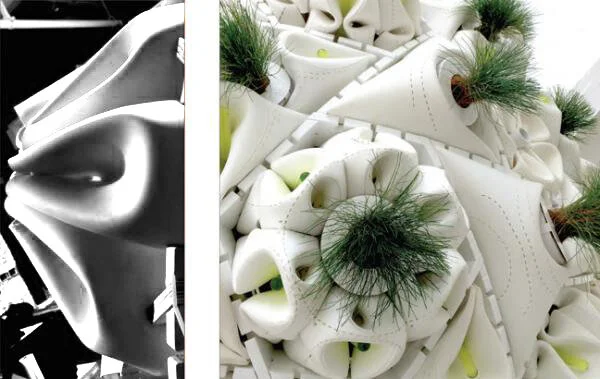
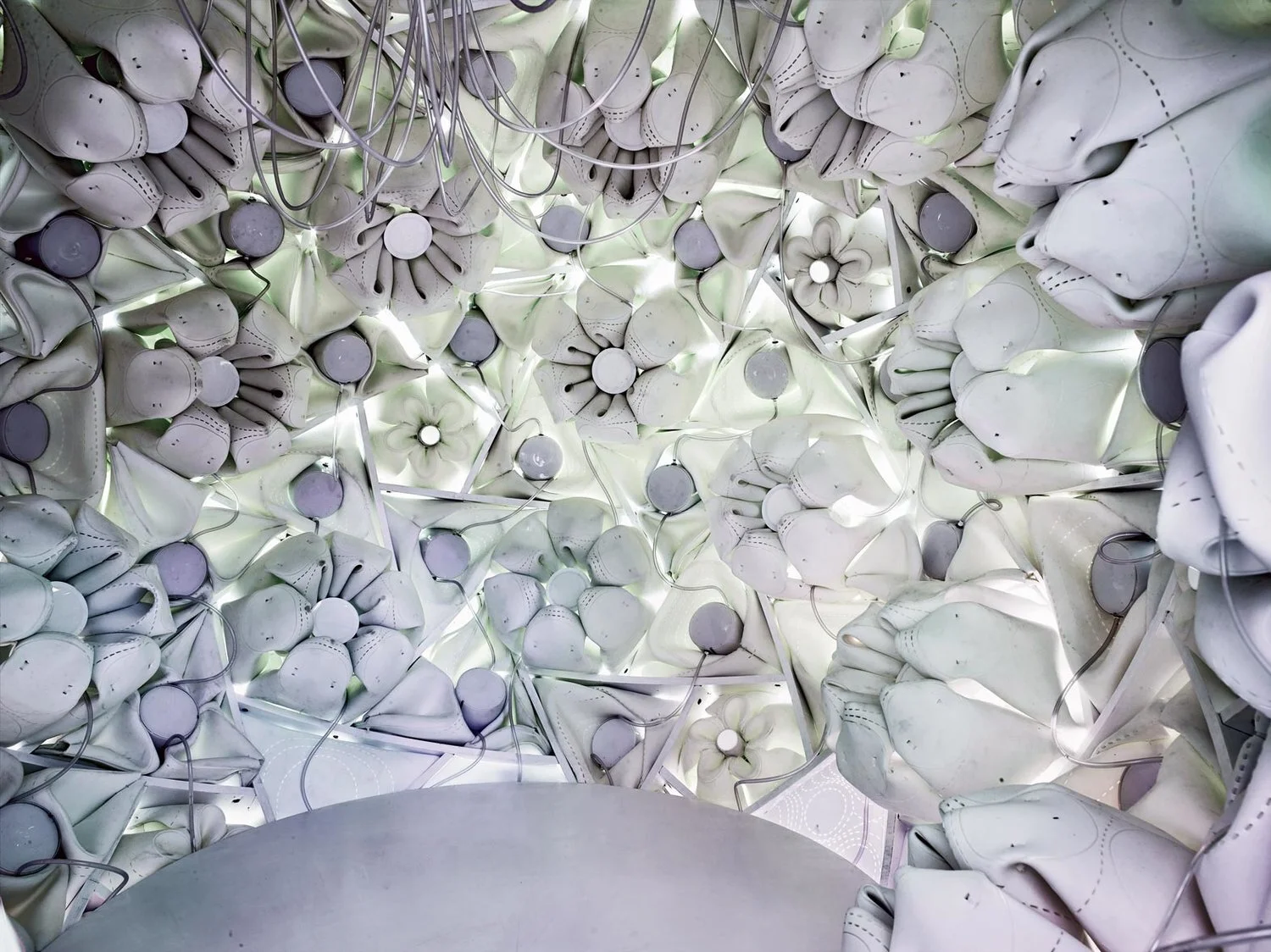
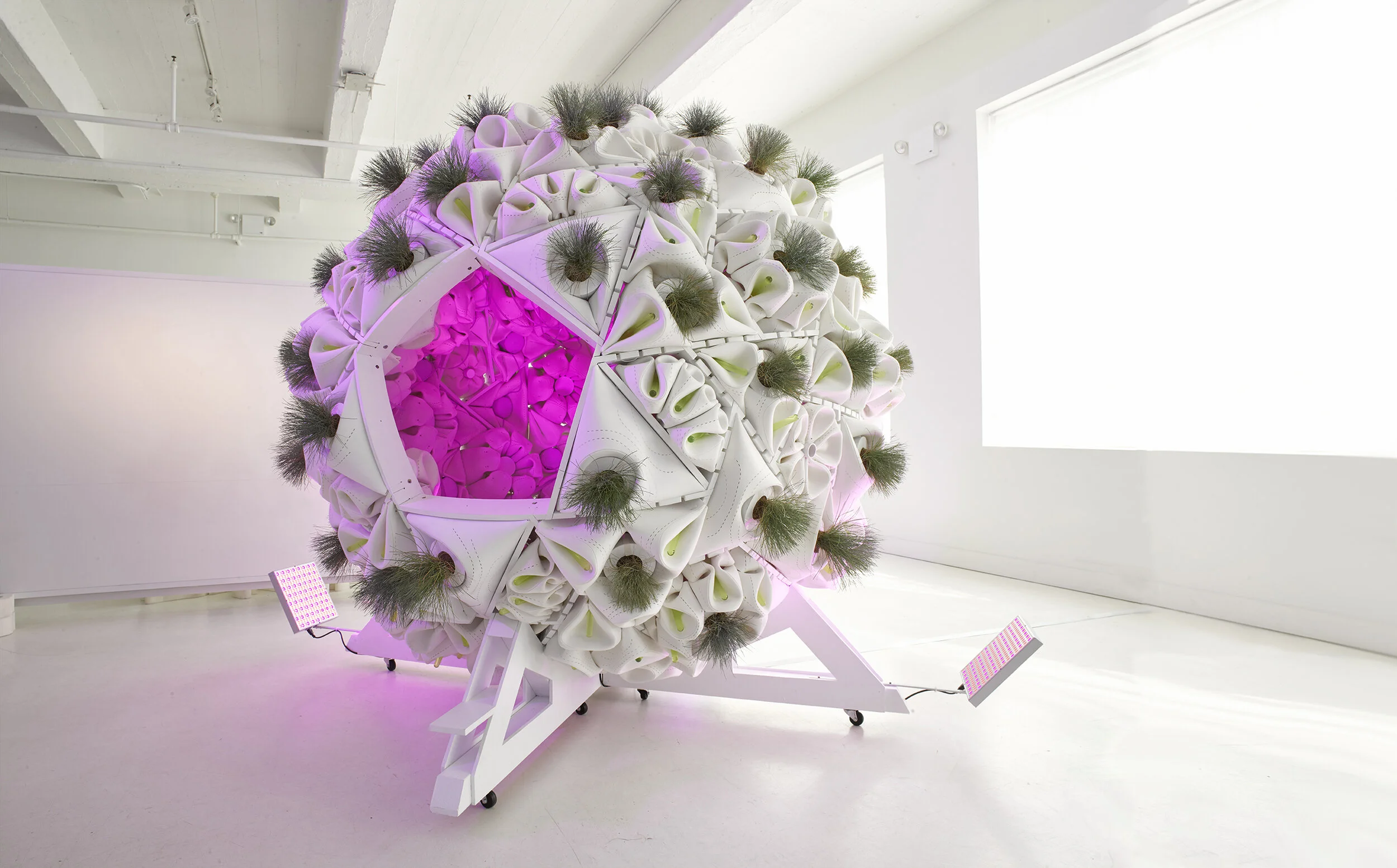
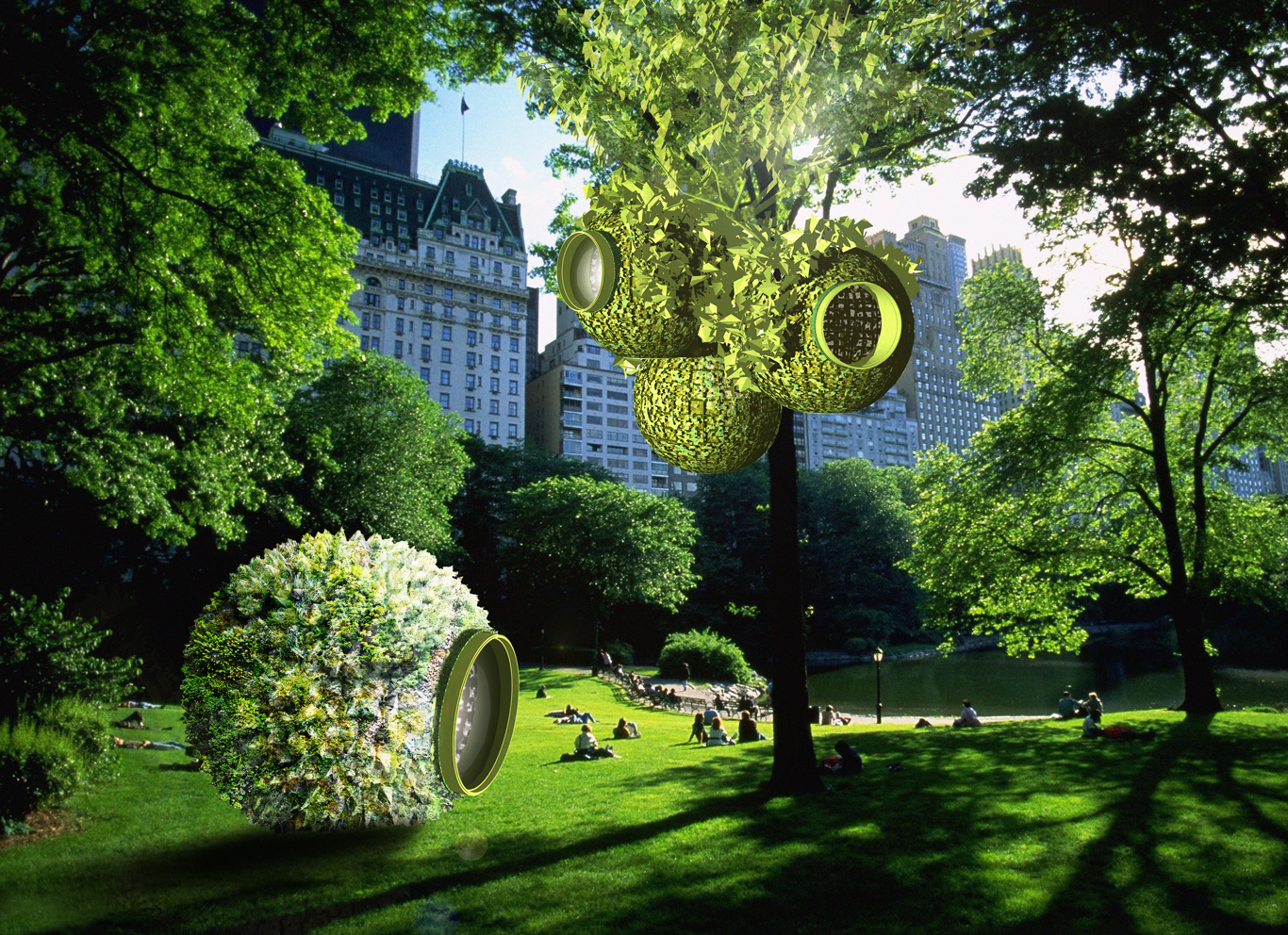
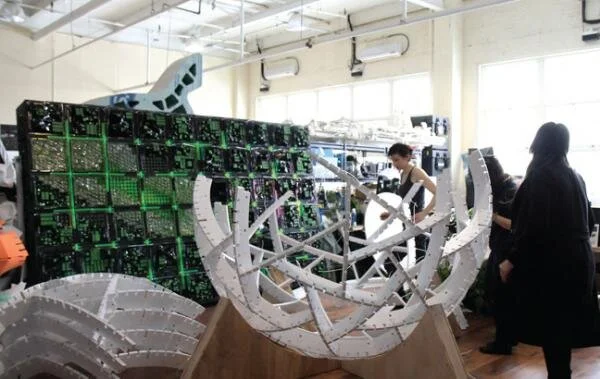
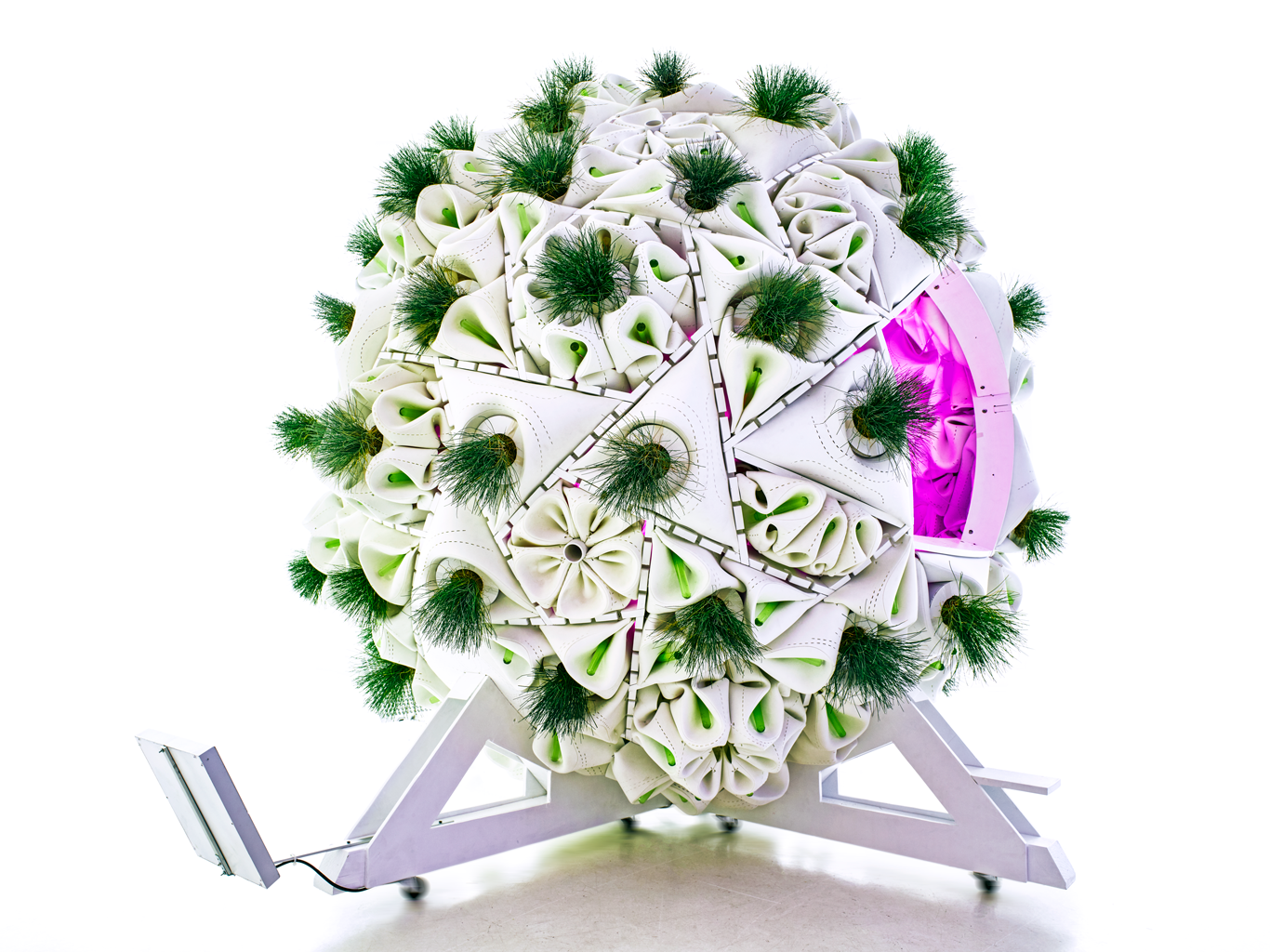
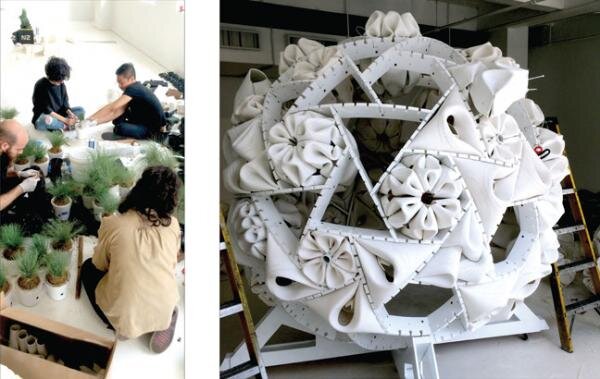
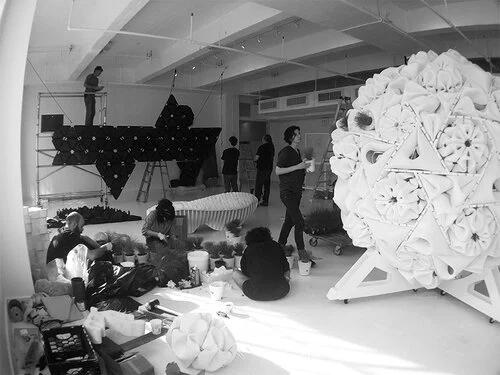
The Plug-In Ecology; Urban Farm Pod is a “living” cabin for individuals and urban nuclear families to grow and provide for their daily vegetable needs. It is an interface with the city, potentially touching upon urban farming, air quality levels, DIY agronomy techniques in test tubes, algal energy production, and bioluminescent light sources, to name a few possibilities. It can be outfitted with a number of optional systems to adapt to different locations, lighting conditions, and habitation requirements. While agricultural food sources are usually invisible in cities such as New York, the pod archetype turns the food system itself into a visible artifact, a bioinformatic message system, and a functional space.
Our vision for future iterations of the pod is to naturally grow structures over time, within a new form of mediated arboreal culture, to integrate the biological and mechanical elements more closely, to transform the object into one that grows and changes symbiotically. The Plug-In Ecology project sets out a direction for healthy biological exchanges with urban inhabitants, and to contribution to the life of urban ecosystems that mediate between autonomy and community.
Credits: PI, Mitchell Joachim
Team: Melanie Fessel, Christian Hubert, Maria Aiolova, Vivian Kuan, Amanda O’Keefe.
Research Fellows: Bahar Avanoglu, Ipek Avanoglu, Pedro Galindo-Landeira, Yinan Li, Brent Solomon, Jiachen Xu.
Consultants: Huy Buy, Greyshed.
Photos: Micaela Rossato