Neural networks. Generated using RABBIT: Tools for Grasshopper


Neural networks. Generated using RABBIT: Tools for Grasshopper


[CONTRIBUTOR & COLLABORATOR],
RACHEL GONZALEZ
. Discussing fabrics over pancakes.
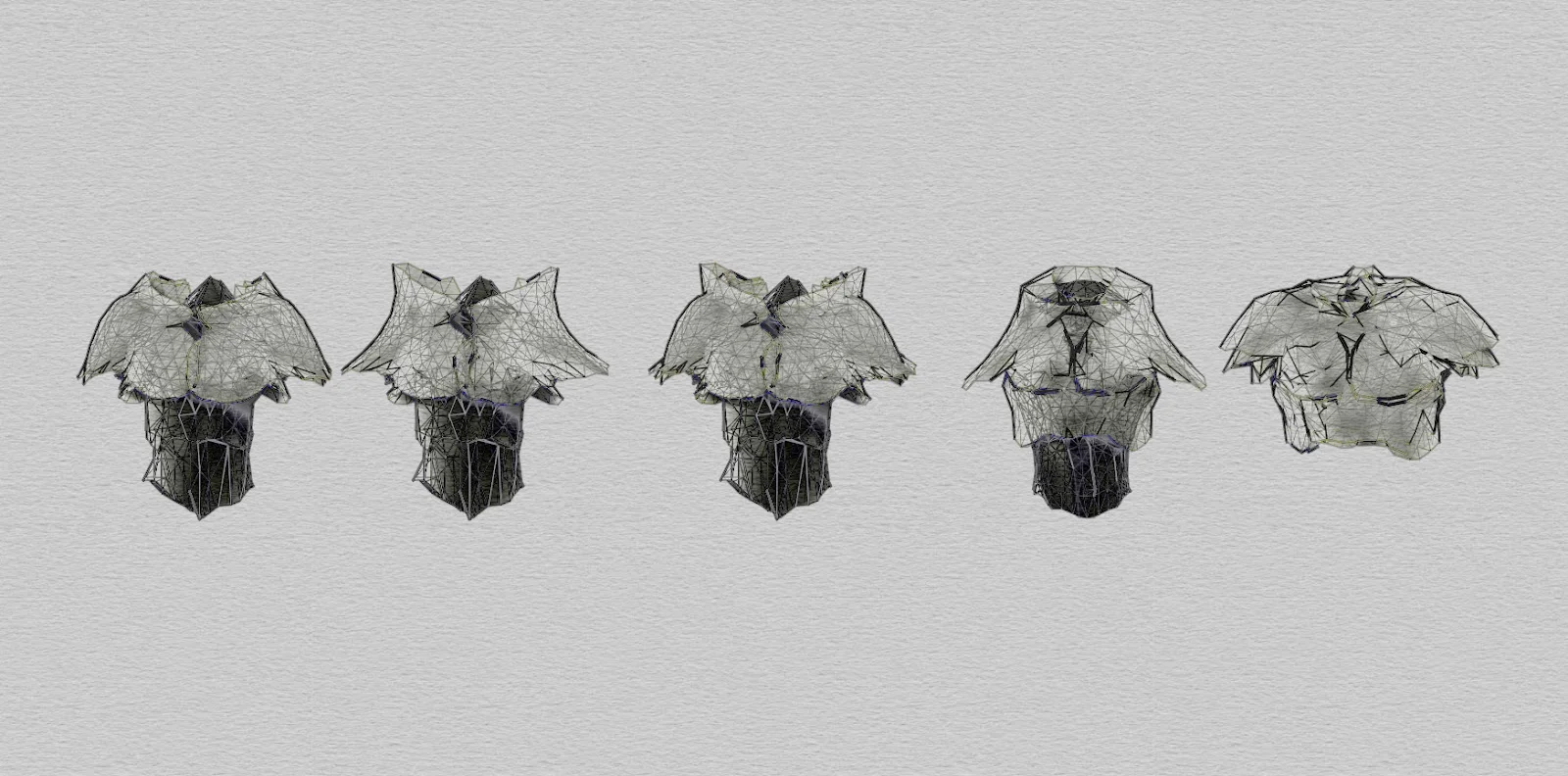
Early concepts. Simulated and designed in Rhino.
[CONTRIBUTOR & COLLABORATOR]
ERIC, RETIRING FOR THE NIGHT IN HIS BEST EVENING THROW.
Thanks again to Yelyzaveta Biletska for the accommodations!
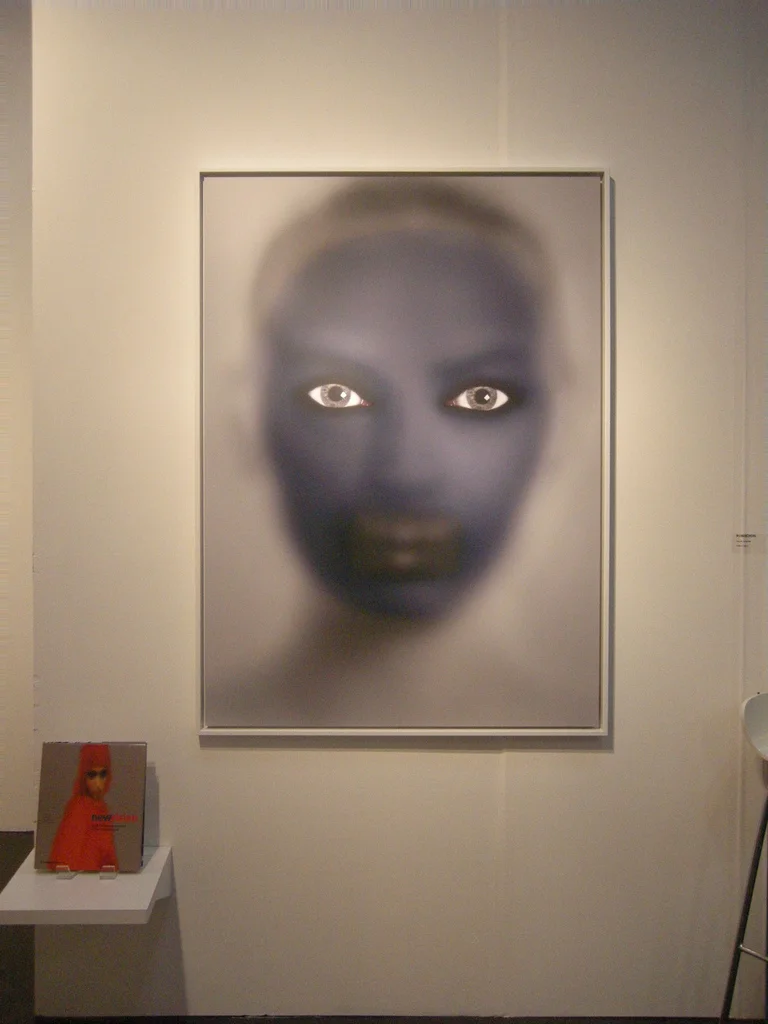
Hidden Love 6, Harim Al Karim. Robischon Gallery
Texas Contemporary Art Fair 2012 on Flickr.
 |
‘Topos’ by Victoria Goldstein, Victor Orive, Arturo Revilla Houston InterScaless, University of Houston Monday 6 – Monday 20 August 2012 Over the two weeks of the InterScaless workshop students develop parametric design strategies that enable them to generate design scenarios across scales while focusing on a given conceptual framework. The challenge this year is to rebuild the relationship between the emblematic structure of the Houston Astrodome and the urban structure of the city. To do this we will speculate via computational systems on the possible interaction between housing and local ecologies. The site around the Astrodome, defined by a vast disused parking lot and its adjacency to the highway, presents a unique opportunity for our investigations. Through studying different ecological conditions within the domed sports stadium and its concrete surroundings we will set in motion a system of green agents that will grow into aggregations, inhabiting the Astrodome and redefining its limits. Parametric systems responding to different environmental studies will lead to a range of artificial/ responsive structures.Students will work in teams to explore different scales and programmes for the generation of new urban relations. They will use parametric tools to renegotiate multiple scales in real time while incorporating complexity given by environmental conditions. Redefining the threshold between urban agents will give rise to a new syntax between architectural elements. Parametric techniques and tools will be introduced during the workshop. Students will also present and discuss selected readings relevant to the topic. The aim is to open up a critical debate about how this approach affects the work of the architect and redefines the language of the discipline. Week 1 Material systems are interpreted through computer simulations in fast explorations to elaborate the proposals. Design tutors including Arturo Revilla and professionals from both the A A and other institutions will provide digital tutorials and lectures on their urban design research and projects. Week 2 Digital fabrication phase. Full-scale sections will be constructed collectively by the students in a studio-based environment. Design tutors will be actively involved in the digital fabrication of physical models and material experiments. AA School of Architecture |
Architecture culture is infatuated with and steeped in the
, but not in the ways that most people outside of architecture imagine.
If you ever see a form of software that designs a building for you, it's unlikely that any architect had anything to do with it. Most architects use digital tools to draw buildings in two dimensions, as you would on a
; to model buildings in three dimensions so you can look at them from many sides; to embed models with data so the software "knows" what all those lines represent; or to render models in still or animated views so you can see and understand them better. Architects have used digital tools in these ways for over 20 years for designs created outside of the computer.
But digital tools are also now used to create or fabricate architecture projects from the first moment of design. In many cases, architects use software that was originally developed for other disciplines — like for industrial, automotive, or aeronautic design or special effects for film. These other disciplines invented tools that have expanded the ways that architects think about buildings.
Architecture students quickly learn about using digital technology — for instance, how it rarely saves time, how it can change the design
, and how learning the logic of programs is more important than learning specific software because something new is always right around the corner. Like any tool, software suggests ways of working, but inevitably, you're the designer and you make the choices about what you want within the context of the whole project. No magic buttons here! This is hard and thoughful work.

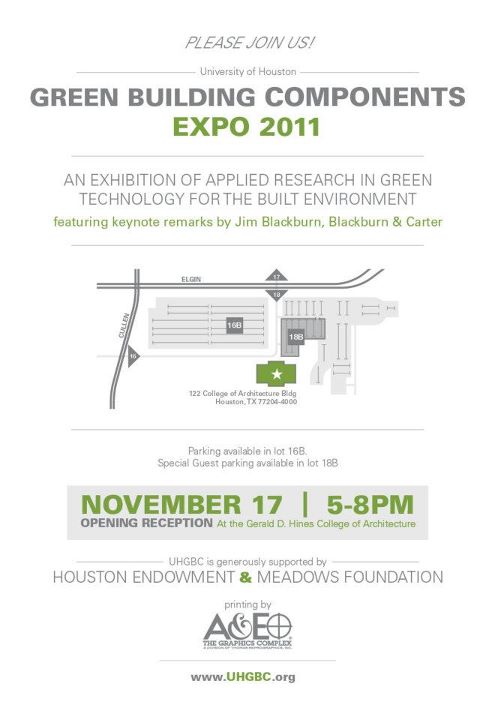
I am excited to have completed my third round of component prototypes that will (if all goes according to plan) be featured in three ongoing projects for this semester. The updated gyroid components featured in a couple of my earlier posts will be used as a facade assembly for Studio X, and will simultaneously act as two small-scale research proposals for Wendy Fok's parametric seminar and the upcoming UHGBC (UH Green Building Components) Event later this November. I will elaborate in the next post, but for now I will finish digging out the plaster/Vaseline residue from underneath my fingernails (Craft day):
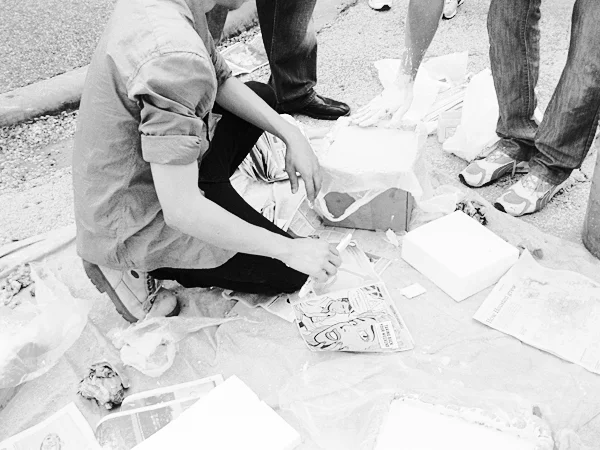
(above) Plaster-Casting session
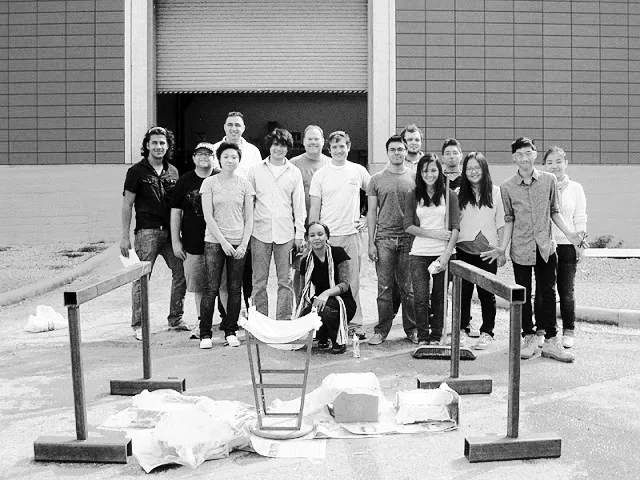
(above) Team work makes the dream work


