IAAC Spring Lecture Series – Black Ecologies – 2020

IAAC Lecture Series 2019/20 – Black Ecologies Debate
14th May 2020, 19:00 (CET)
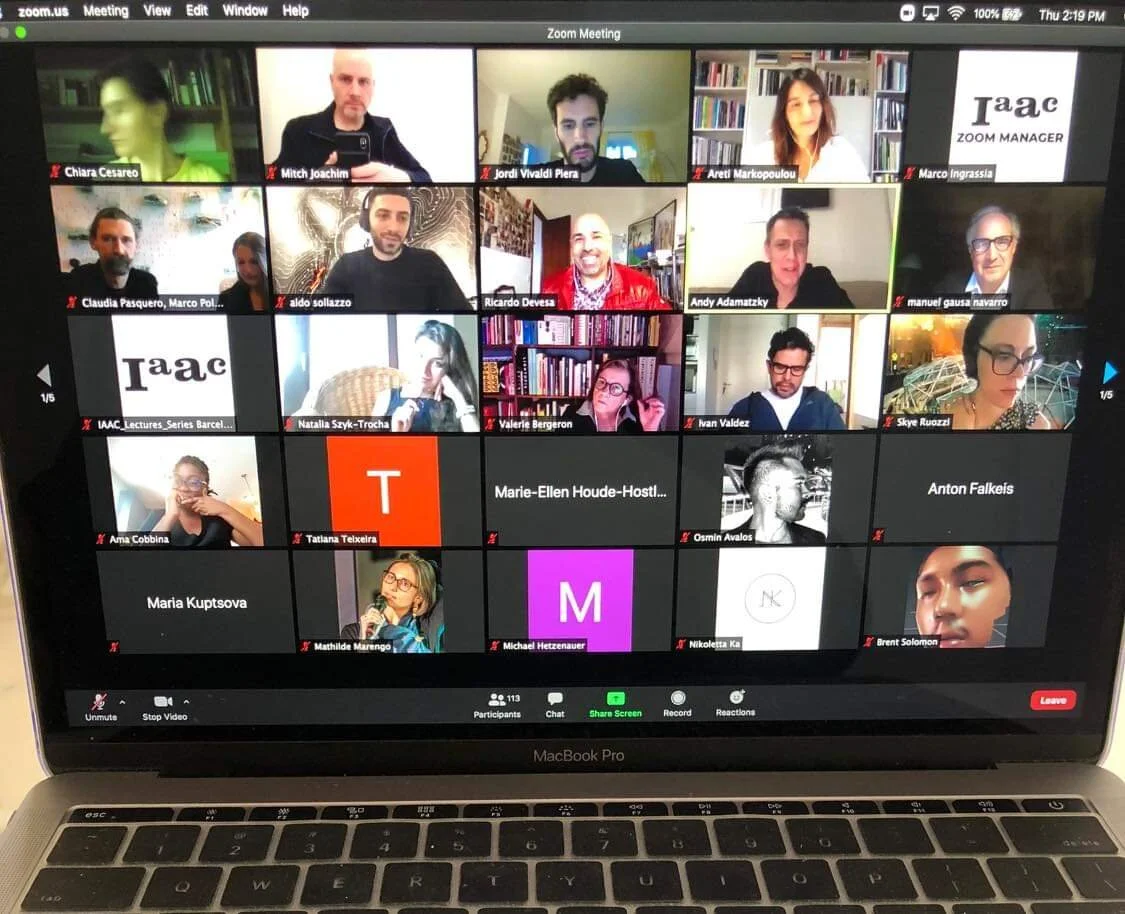
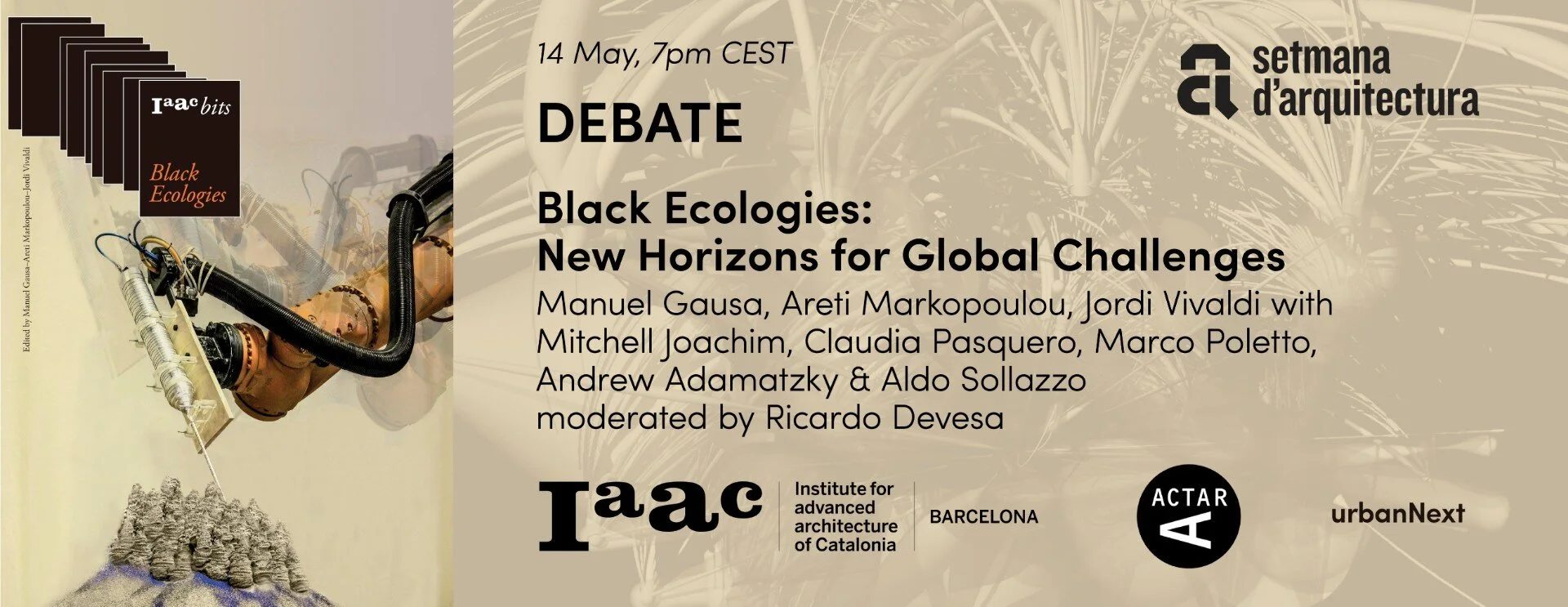
The launch of Iaac Bits #9: Black Ecologies, the Institute of Advanced Architecture of Catalonia’s Journal co-edited by Actar Publishers, is the occasion to discuss the need to define a new natural environment co-produced by all ecological, biological, technological and cultural agents.

The debate on Black Ecologies book, will introduce the new practices of architecture and urban planning that create ecologies, which, as the title of the book says, are dark, or rather hybrid. These are ecologies that go beyond the traditional dichotomies between interior and exterior, or natural and artificial.

The participants will have the opportunity to interact with the contributors of the book and be introduced in  architectural projects that in a pioneer and experimental way merge humans with robots, biology with artificial intelligence, or nature with technology.

>> more at: https://actar.com/product/iaac-bits-9/
Black-Ecologies-EVENT-11.55.34-1.jpg

>> replay of discussion: click

Note: Good to be in the same room with Mitch again! #quarantinelife

Note: Good to be in the same room with Mitch again! #quarantinelife

Also a cameo by Plug-In Ecology!
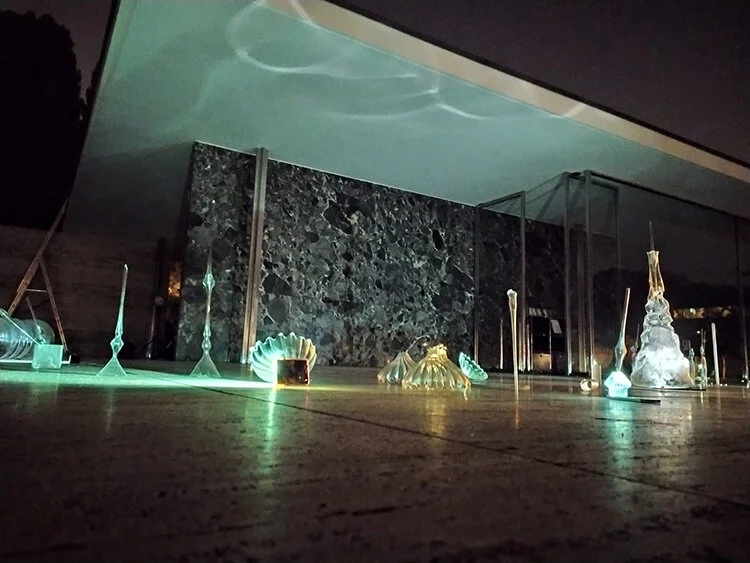
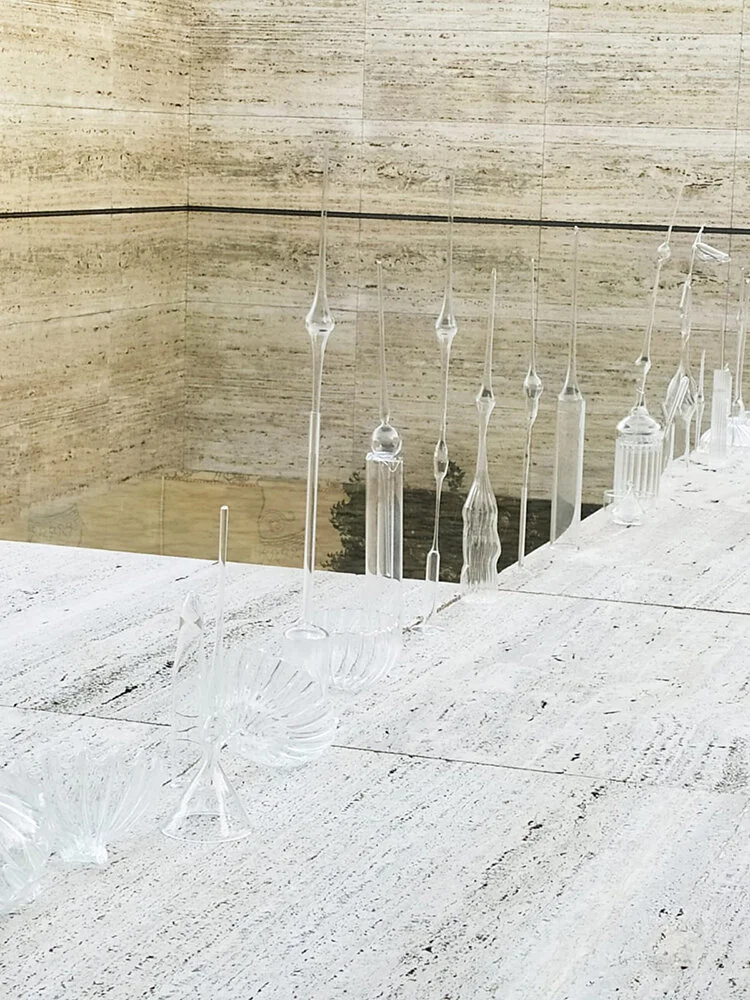
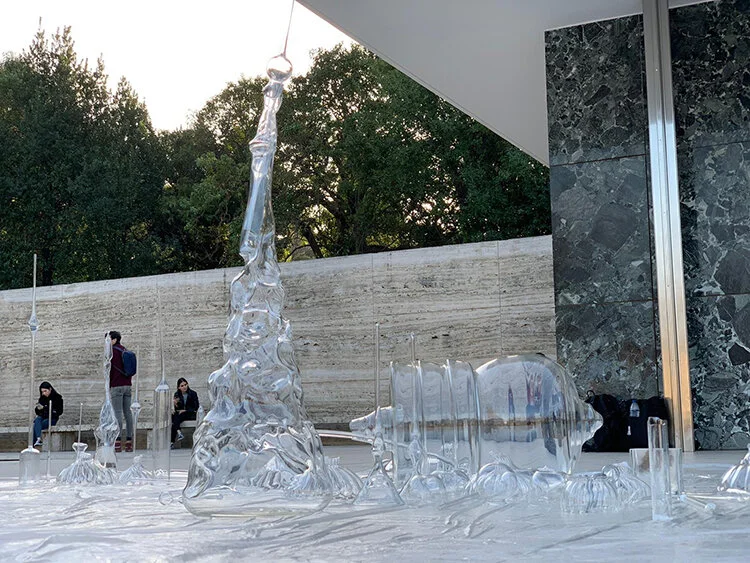
BTS + "Beautiful Failures," experiments at the Pavilion

Beautiful Failures is a story of construction-destruction-construction to reflect on the rich history of the German Pavilion of Barcelona 1929 International Exhibition. At the same time, it considers current events that transcend material culture and question our memo­ry and ethics. We fervently think that the pavilion’s history and its context embraces and exalts the grudges and desires we come to tell.

In 1914, while Mies van der Rohe began sketching the glass skyscraper for the Friedrich­straße competition, Paul Scheerbart published Glasarchitektur (Glass Architecture). In this essay, the author demanded a replacement of brick construction in architecture in fa­vour of glass. The possibility of transparency of this material encouraged the idea of gen­erating a new society by releasing it from the shadows.

IMG-20200123-WA0030.jpg

The properties of glass have always caused a mystical fascination. Due to its appearance as an amorphous material, it resonates with bright minerals. It presents complex qualities such as fragile hardness. It also brings danger such as razor-sharp edges, or high tempera­tures when in viscous state.

IMG-20200123-WA0038.jpg

While many architectural utopias are framed in glass’s hypnotic qualities, many dystopias have been devised based on its contradictions. Mies’s and Reich’s German Pavilion is a clear example of glass’s ambivalence. Its polished surfaces of stones and water sheets seek to mirror the intrinsic qualities of glass: transparency and reflectiveness. The pavilion’s architecture of reflexes and see-through followed the idea of progress and freedom in a new German republic. However, in the last decades, glass has been applied to contin­uous curtain-walls in corporate buildings and anonymous architecture. Devoid of its sug­gestive and quasi-mystical origin, plate glass has emulated the tenets of globalized mo­dernity to the point of becoming its symbol. Despite its obvious failures and explicit horrors (e.g., 9/11), this image of modernity continues to thrive in our collective memory.

IMG-20200123-WA0013.jpg

BTS + ÀNIMA, Contextual framework representation

The installation uses the light you see through the fiber as a metaphor for all the collected digital souls. The light consistency shows that we were all part of an unlimited file system. Every light is so intense like the others, simulating data frozen over time, which serve as a reminder of equality human. Privacy will never be ours again, now we are all transparent. At 22 District, our lighting installation becomes a center of mass-collected thoughts and memories. These memories are not of a certain moment, nor of specific people; they have no identity and make us one more. Some of them died and some are still alive alive. Our data will transcend our human capabilities, becoming tools alien to us.

For all the information that time has preserved and will continue to maintain, our existence is an ephemeral entity; without power, it can only be visualized and felt, but it cannot be altered

Main subjects of the study
A. History of LLUM and Poblenou
B. Installation Art
C. Lighting Sector
D. Temporality and effects
E. Construction, materials and life cycle
F. Narrative, Interaction and Visitor’s Experience
G. Experience within MEATS, Festival & ANIMA

Contextual framework representation method3-03.png

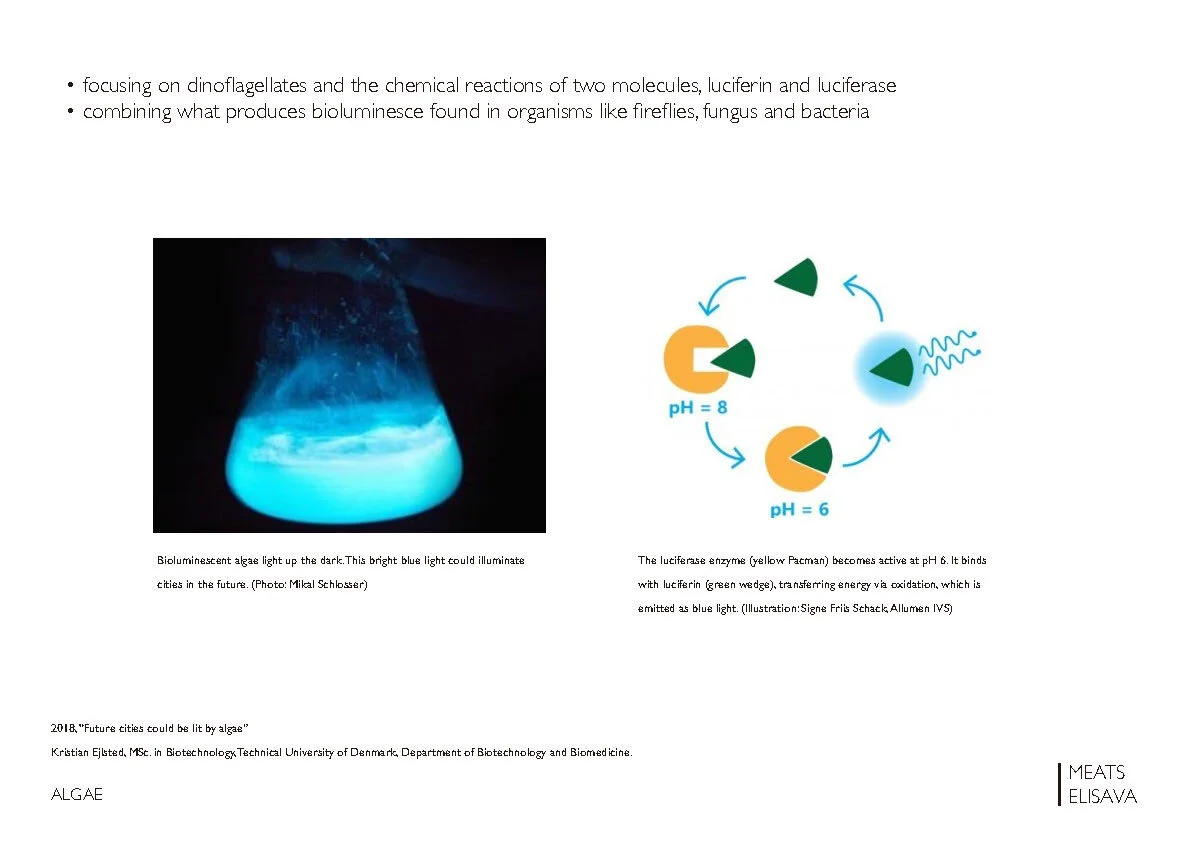
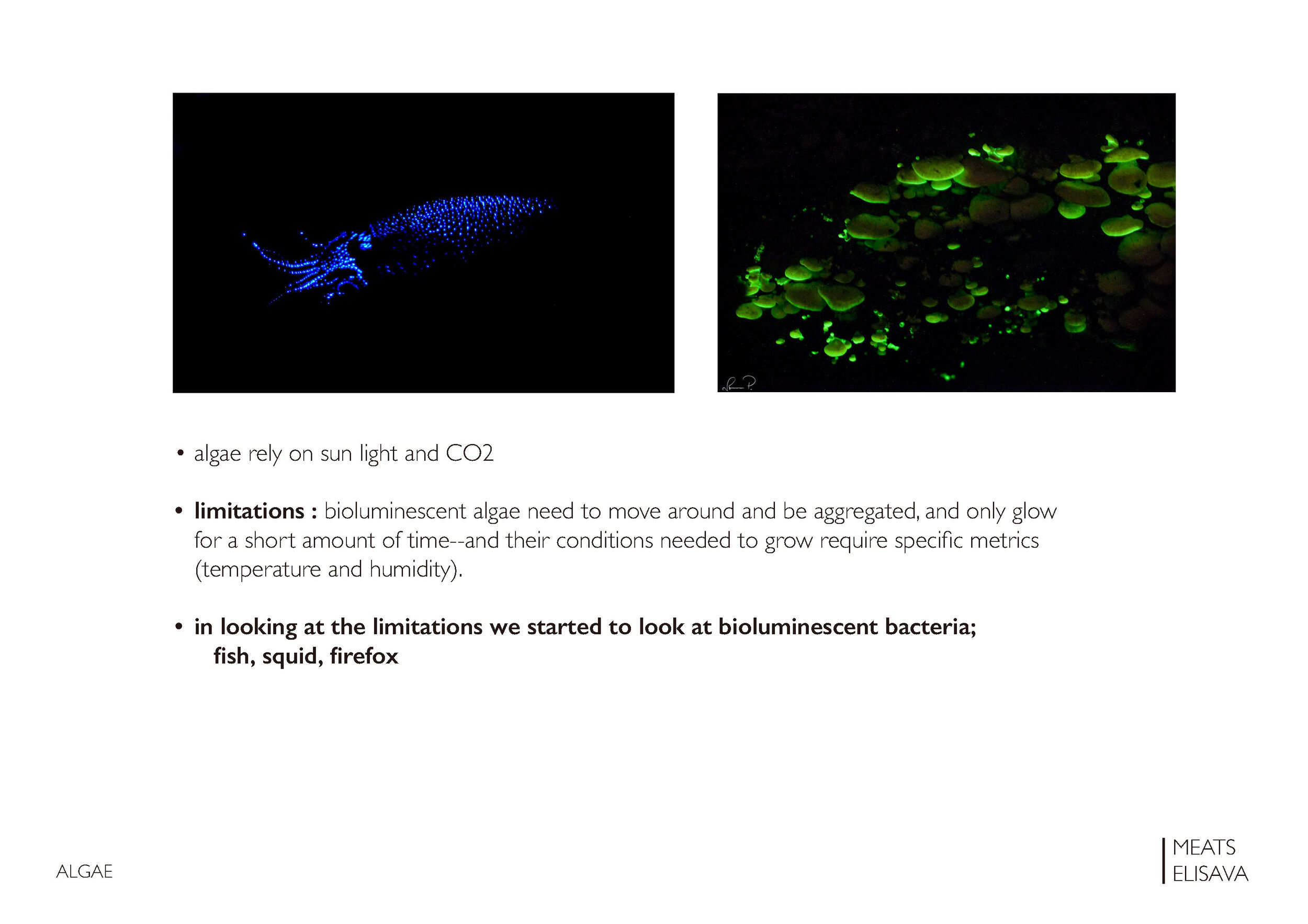
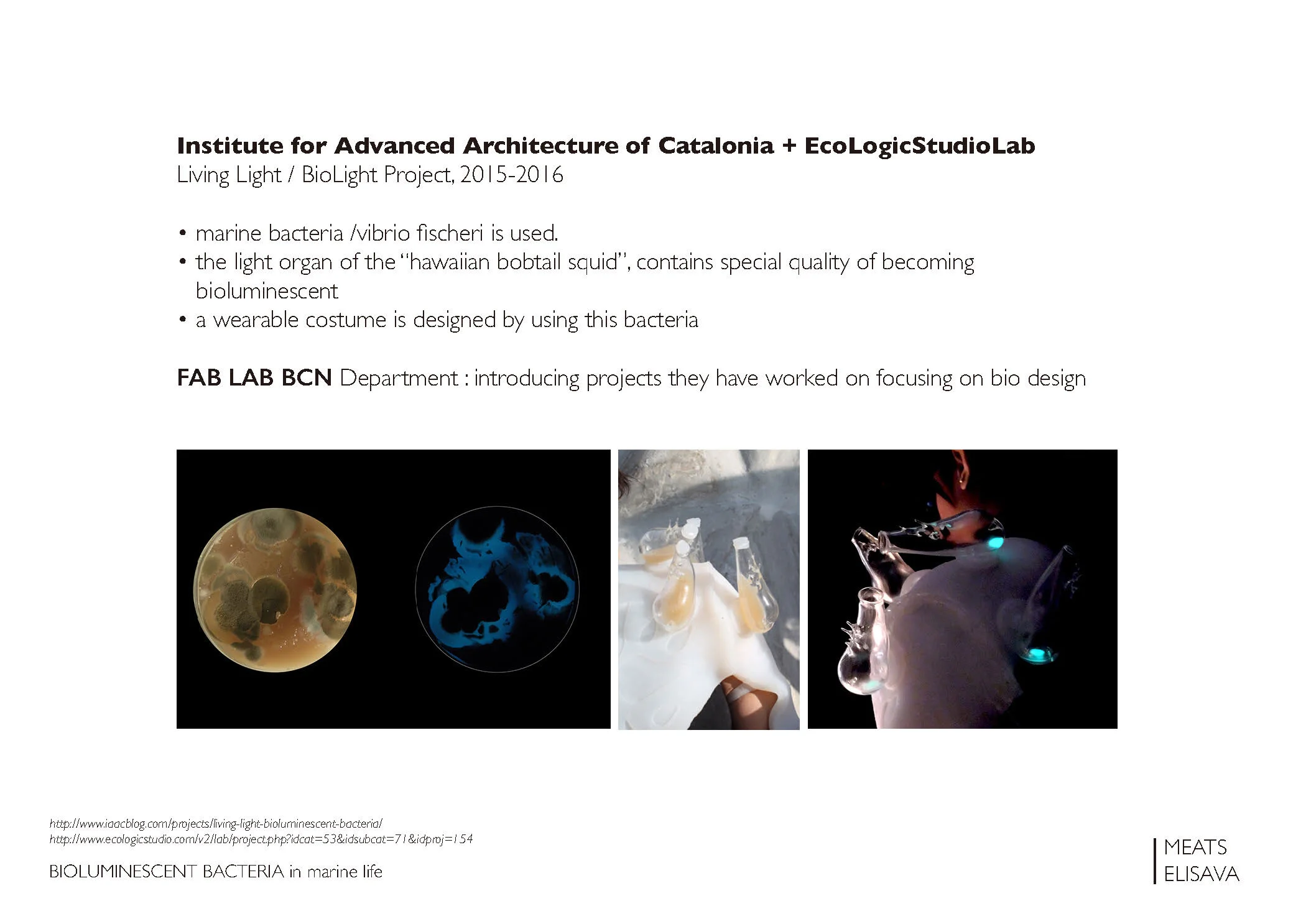
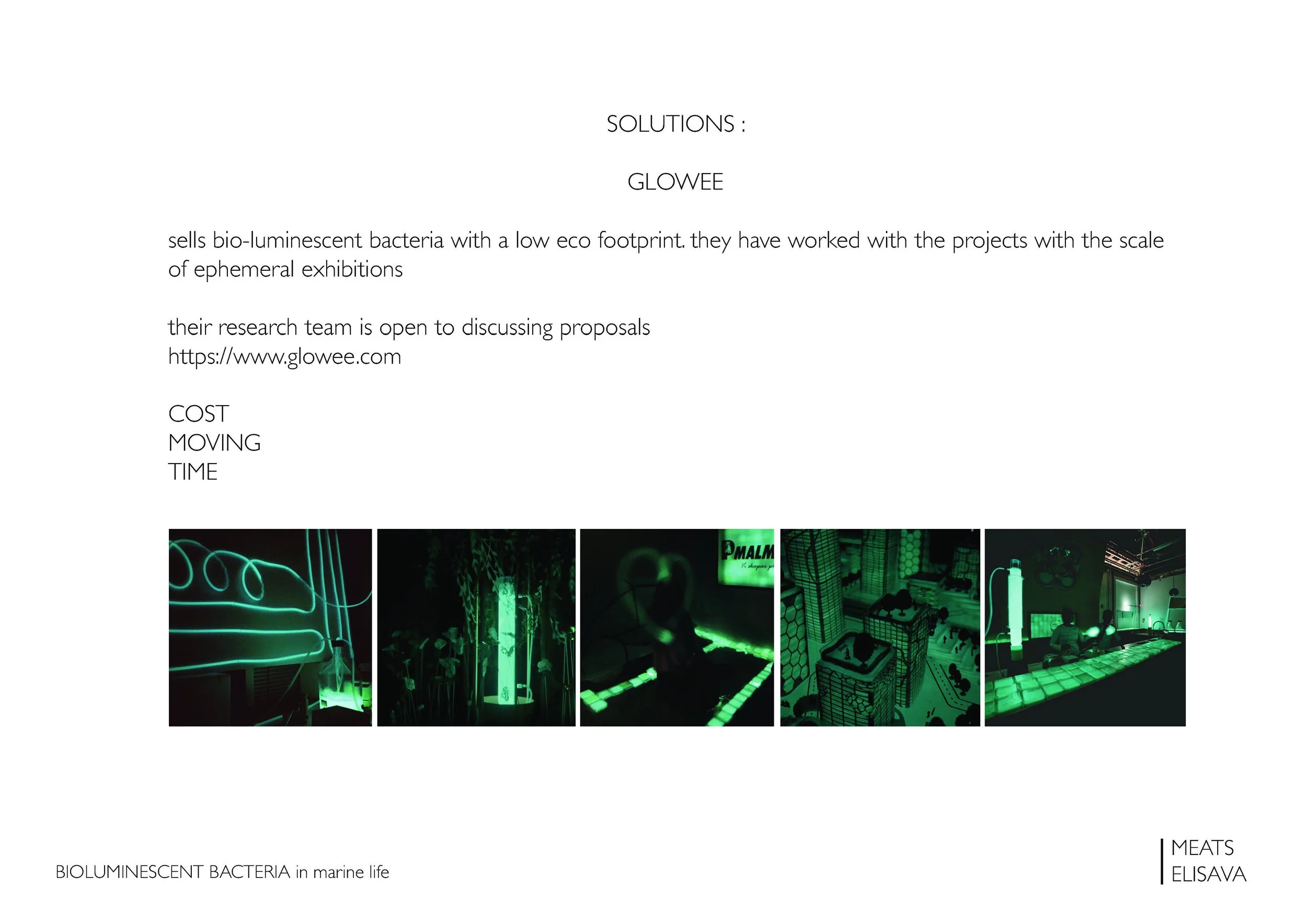
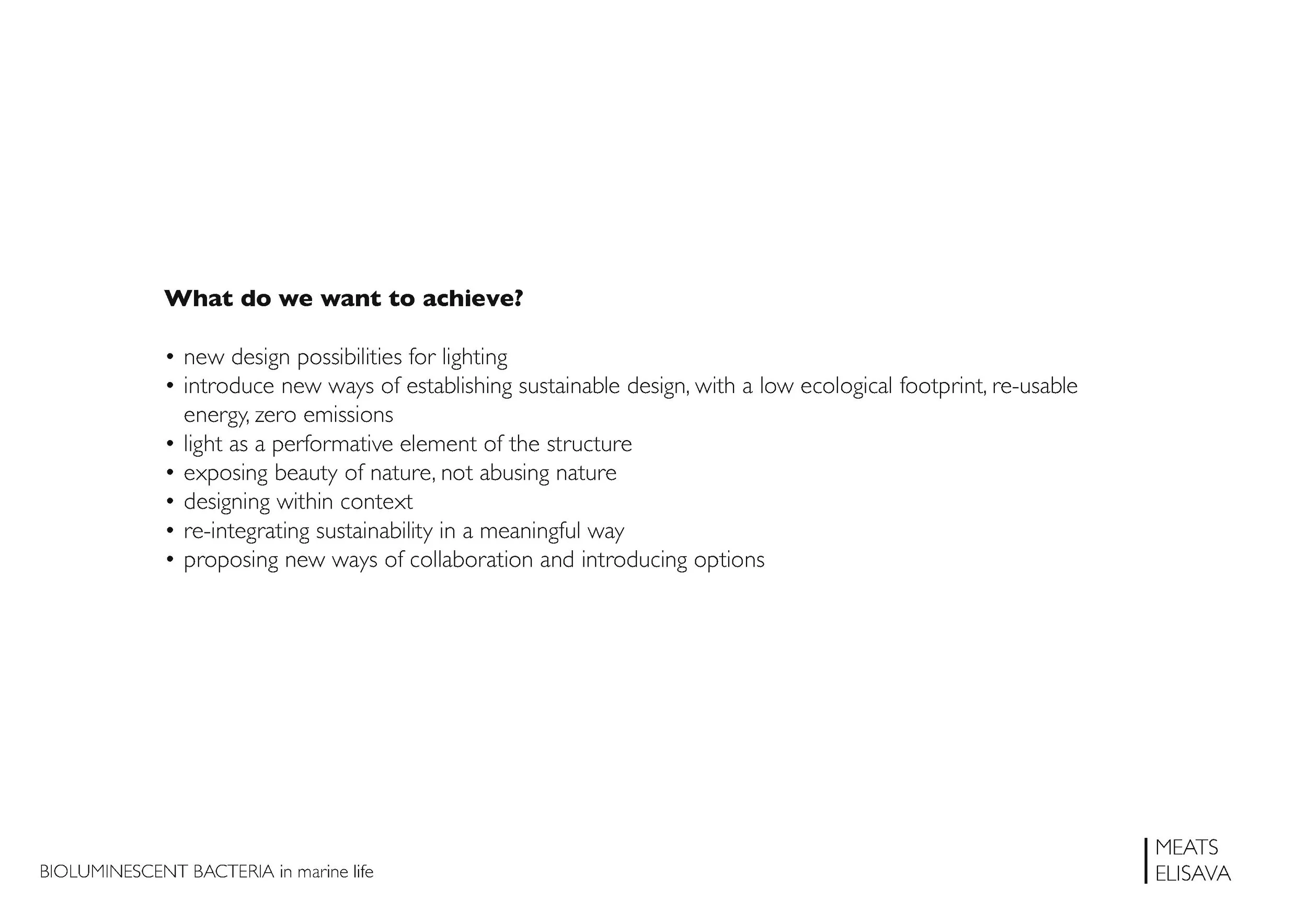
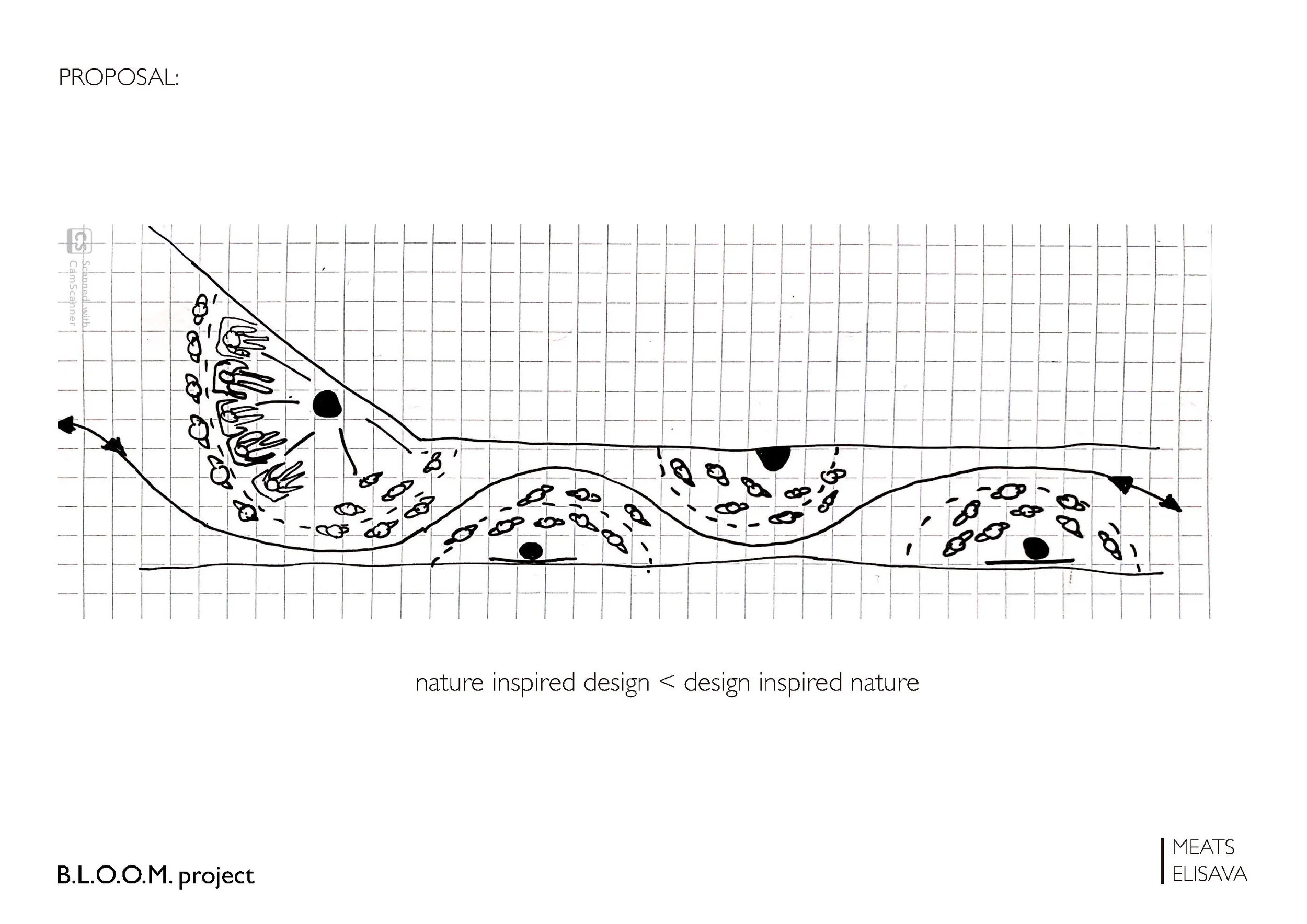
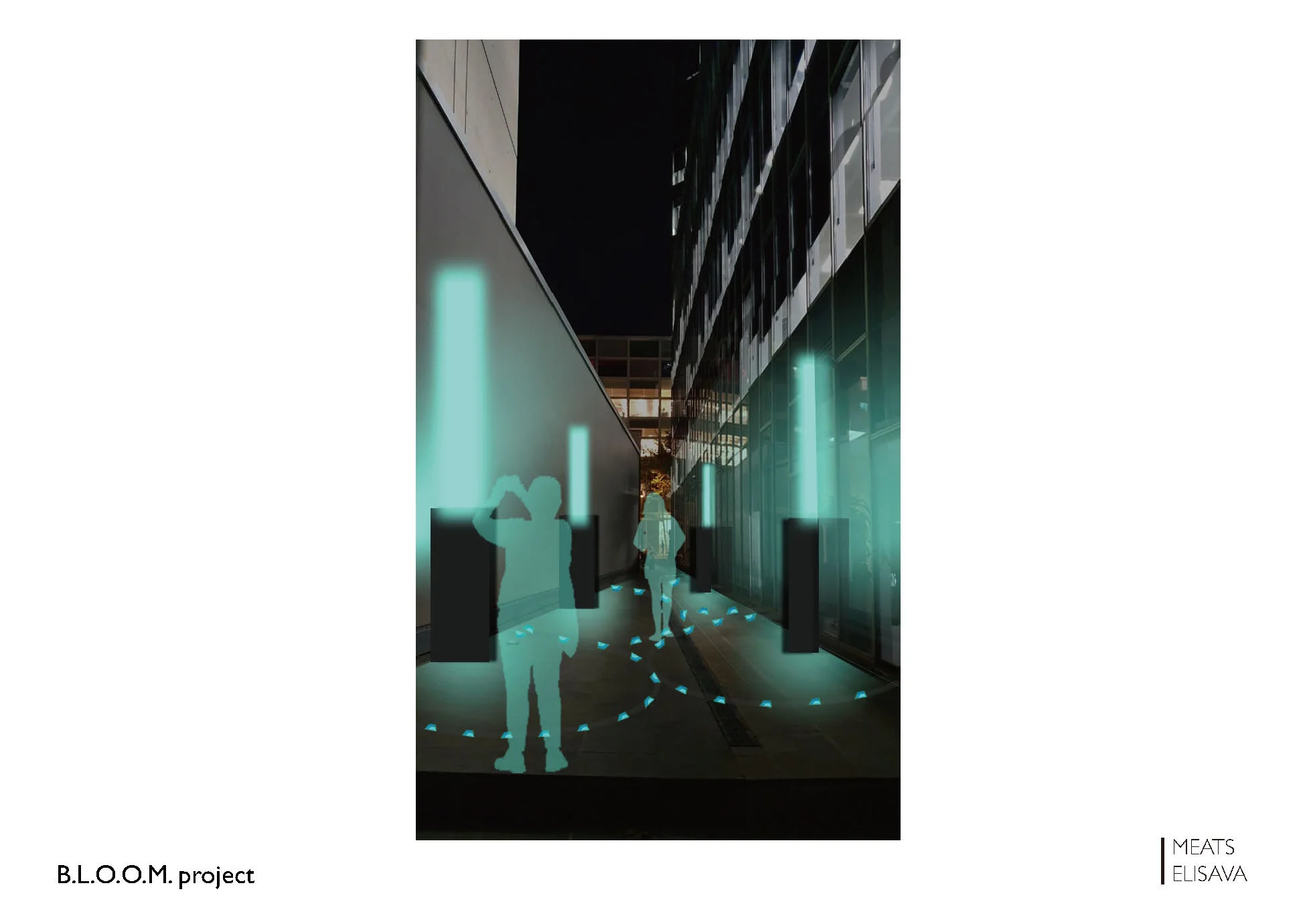
Unit 2.1, B.L.O.O.M. project / proposals for alternative lighting strategies

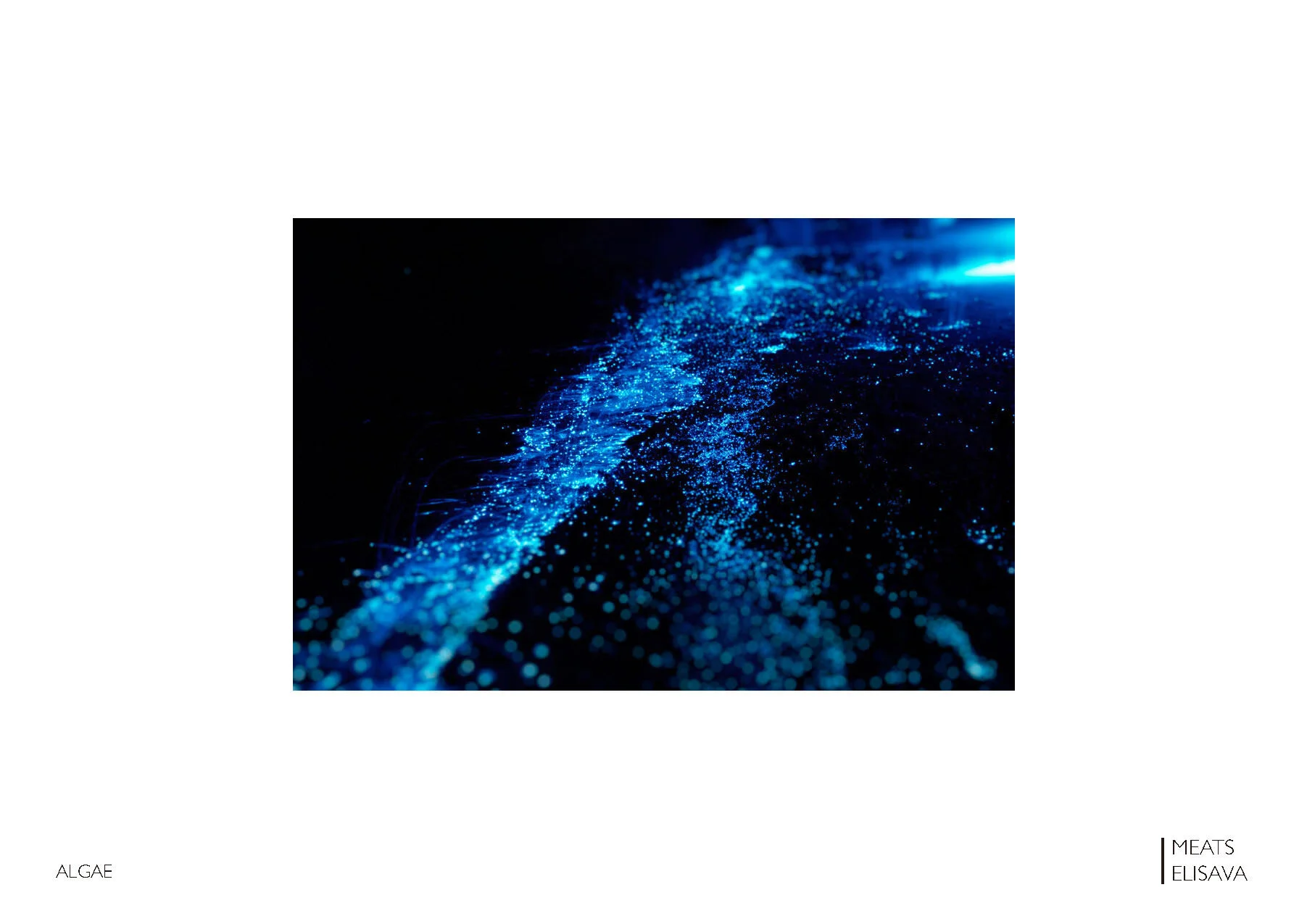
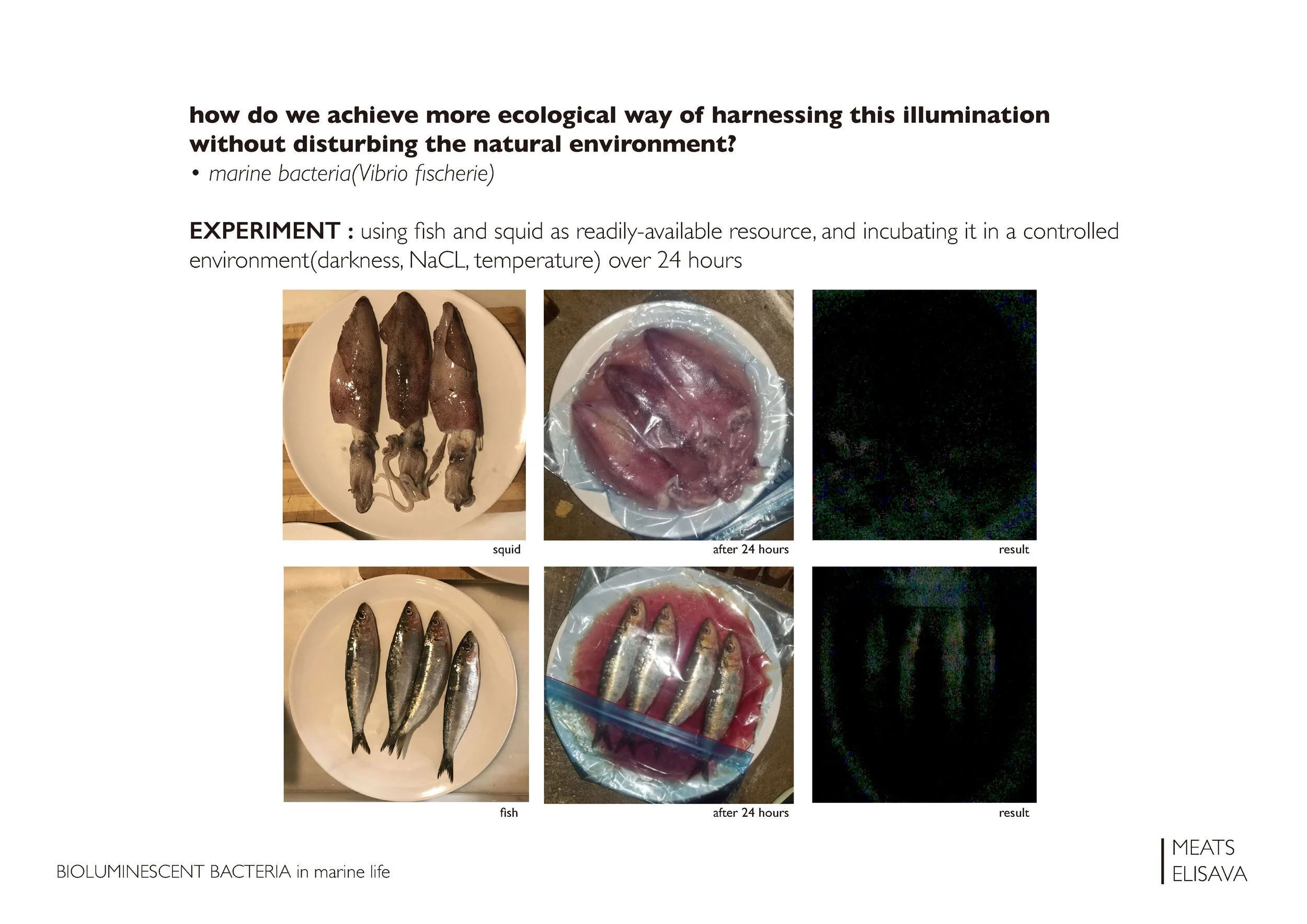
Team proposal for an alternative lighting strategy, implemented as a case-by-trial research endeavor. Thankfully, the Mercado la Boqueria had just received fresh shipments of fish, of which we more than eager to stock up on!

The thing about experiments is just that in the word itself—a case of trial and error! We tried. And pretty sure we were the only ones on Earth marinating dead squid in their balconies over the weekend. Anyway, cheers to the b.l.o.o.m. project team!

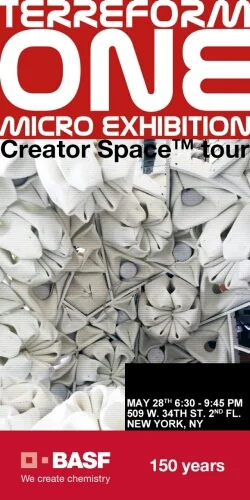
Micro-Exhibition hosted by Terreform ONE | BASF Creator Space™

upload.jpeg

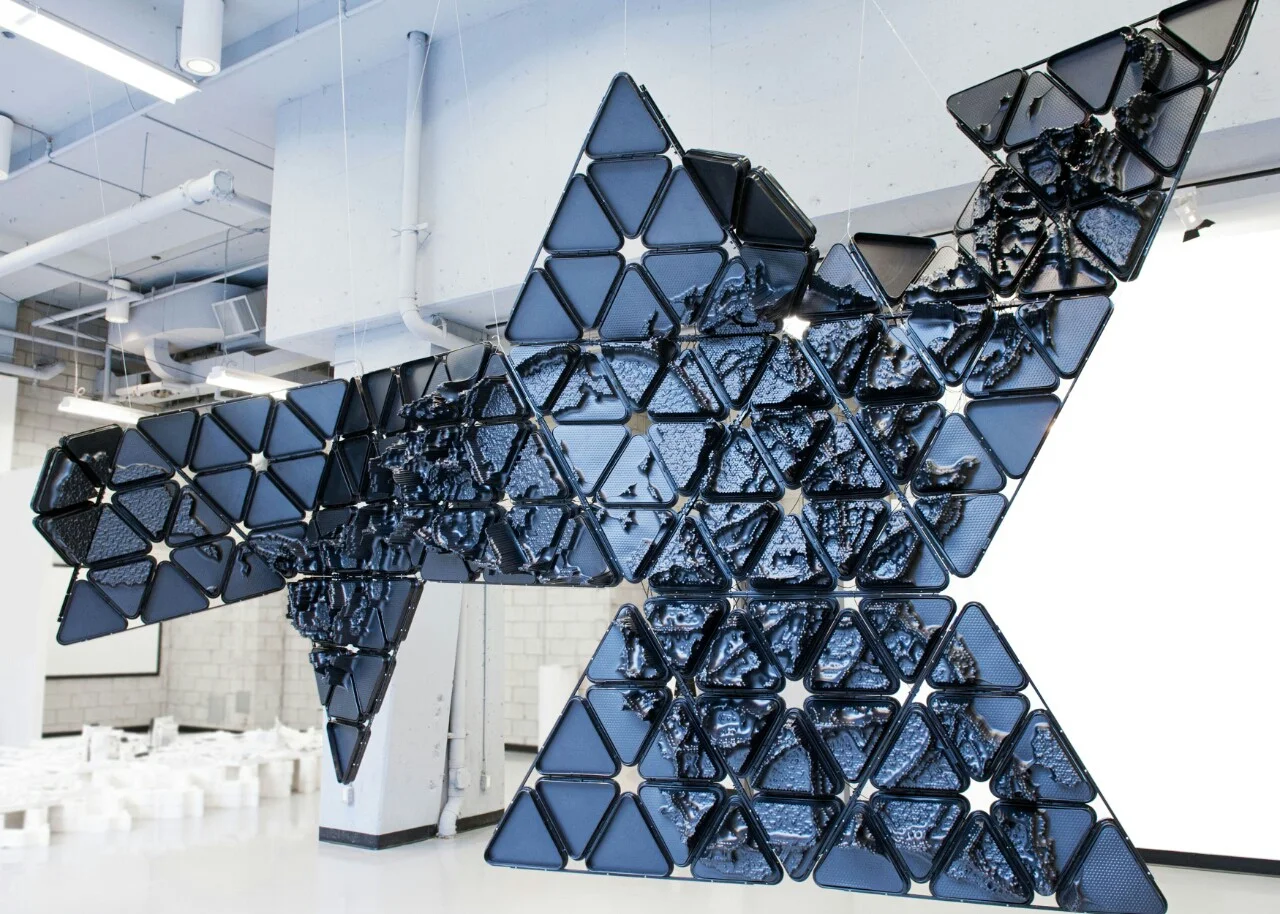
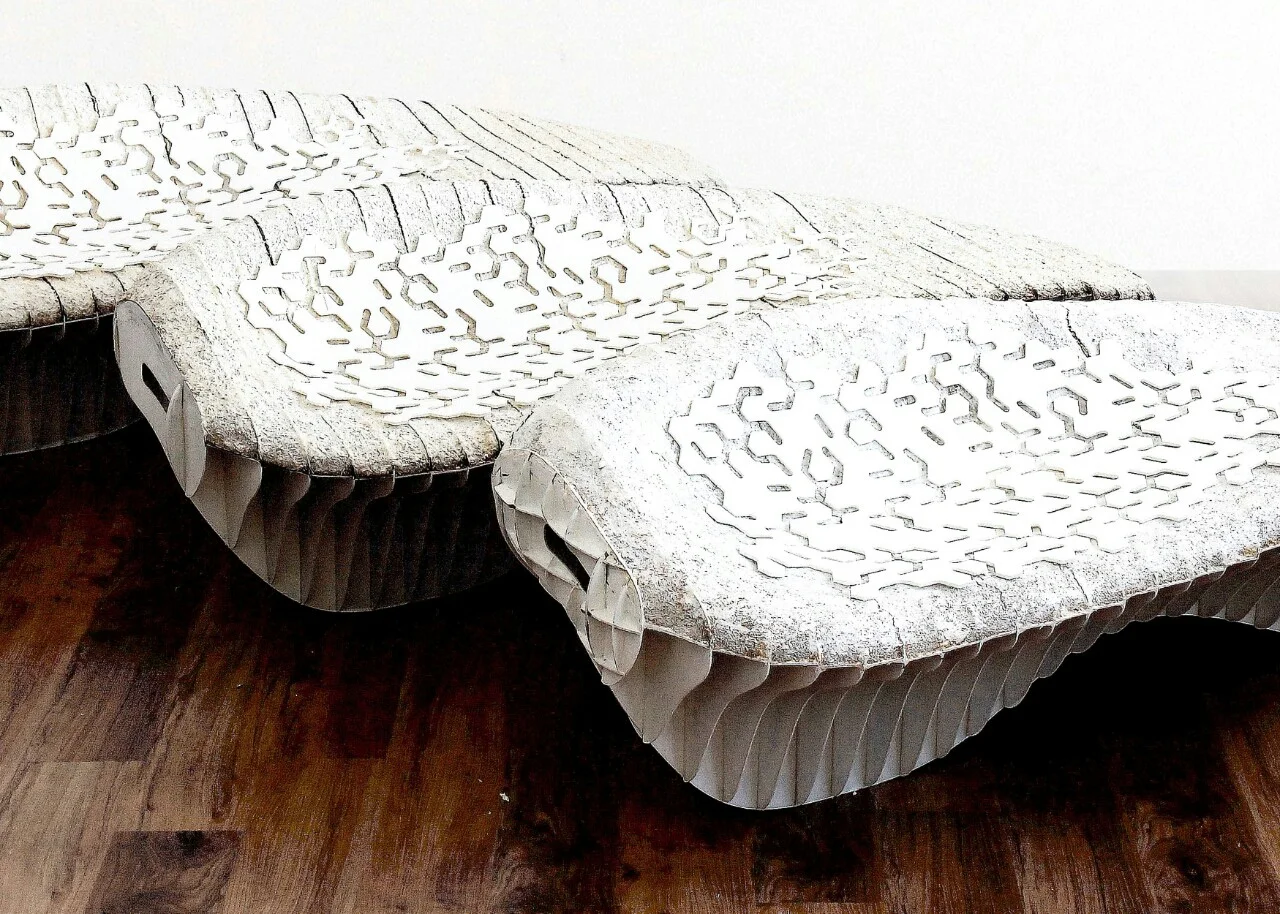
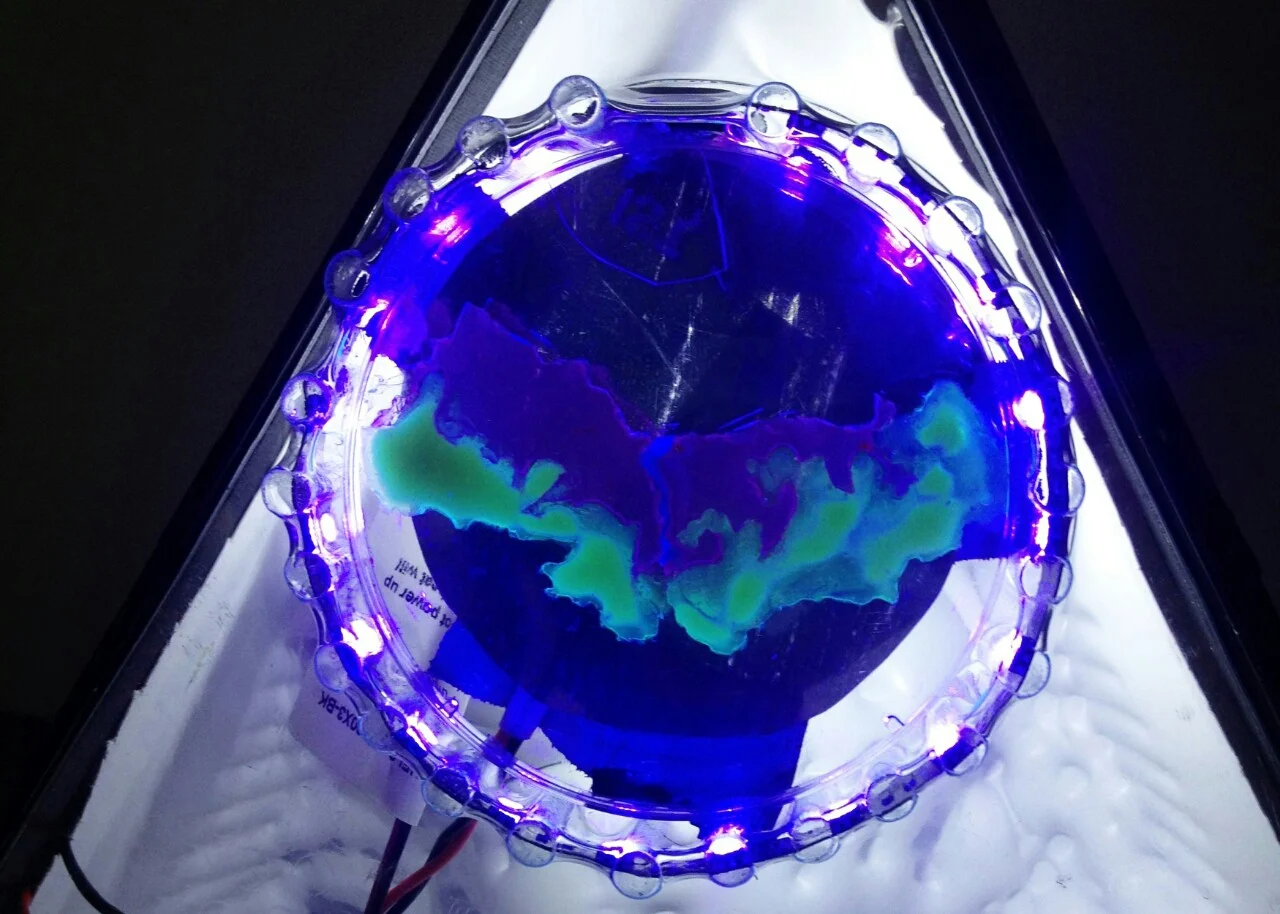
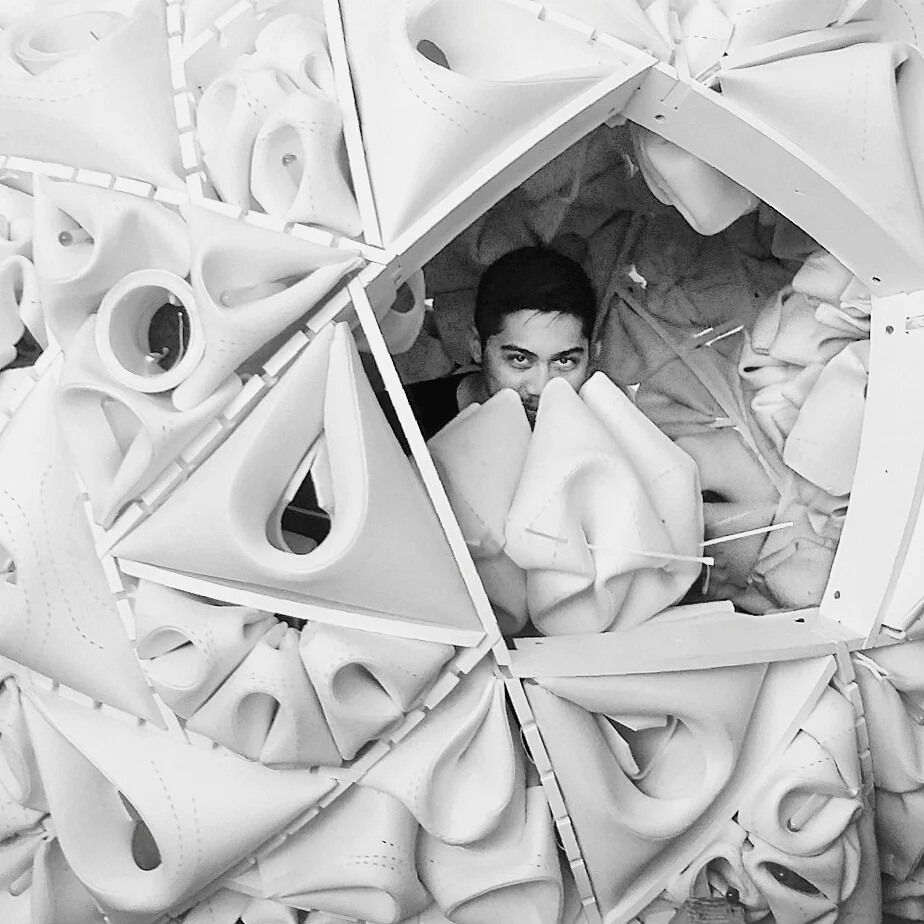
By 2050, there will be more than nine billion people living on Earth, primarily in cities. The needs of the growing world population for good living conditions, energy and food can only be met through innovations. Terreform ONE, a non-profit design group that promotes smart design in cities will host a series of exploratory and radical proposals for development of these smart cities. These proposals address the ecologies of cities, systems and objects at a number of different scales and incorporate contemporary bio-design methods.

A reception with a panel talk about the pieces and the trends they relate to will be held in the evening on May 28.


>> More about Terreform ONE

>> REGISTER HERE

upload.jpeg
upload.jpeg
upload.jpeg
Source: https://creator-space.basf.com/content/basf/creatorspace/en/events/micro-exhibition-terreform-one.upcoming.html