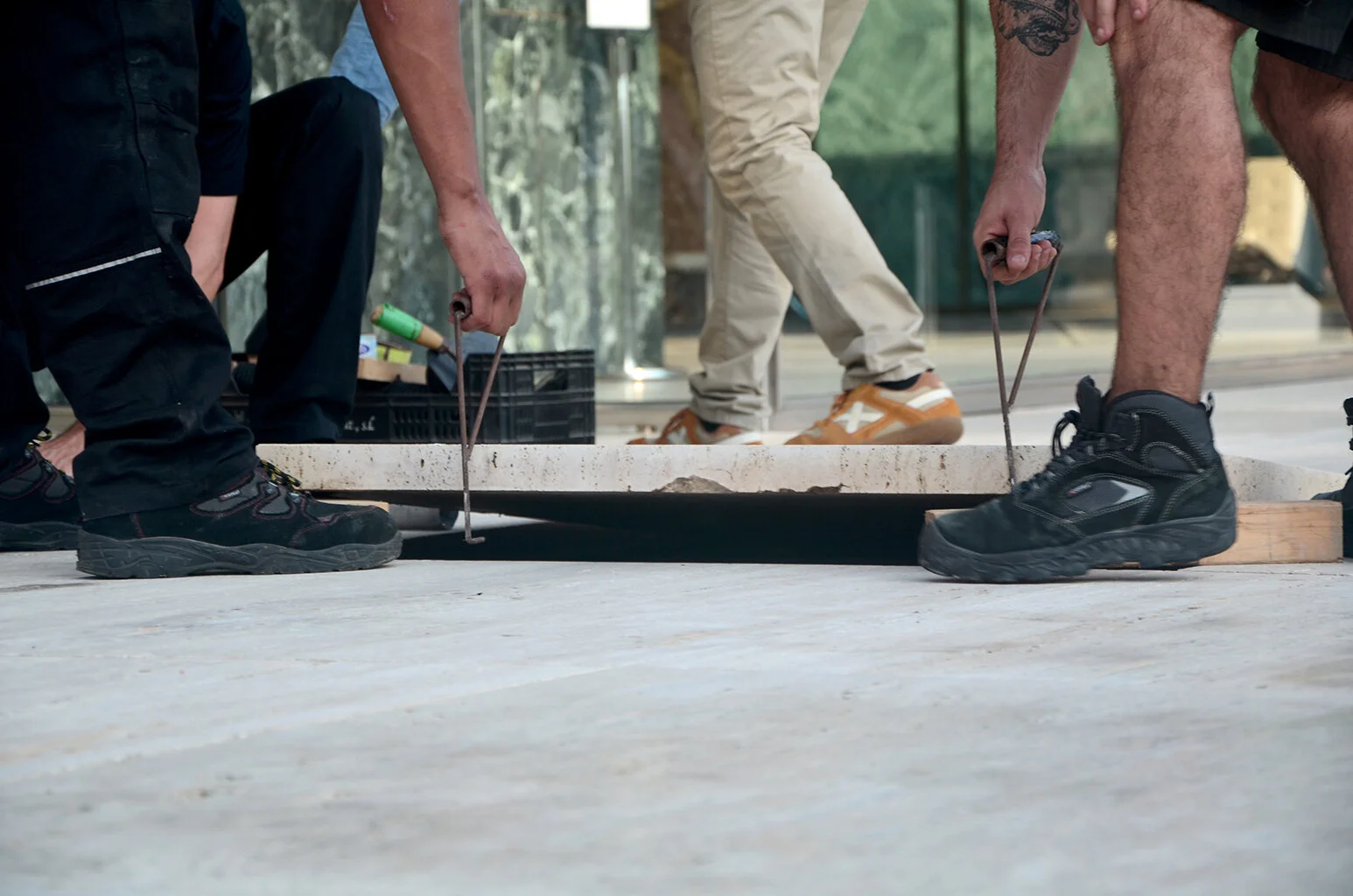
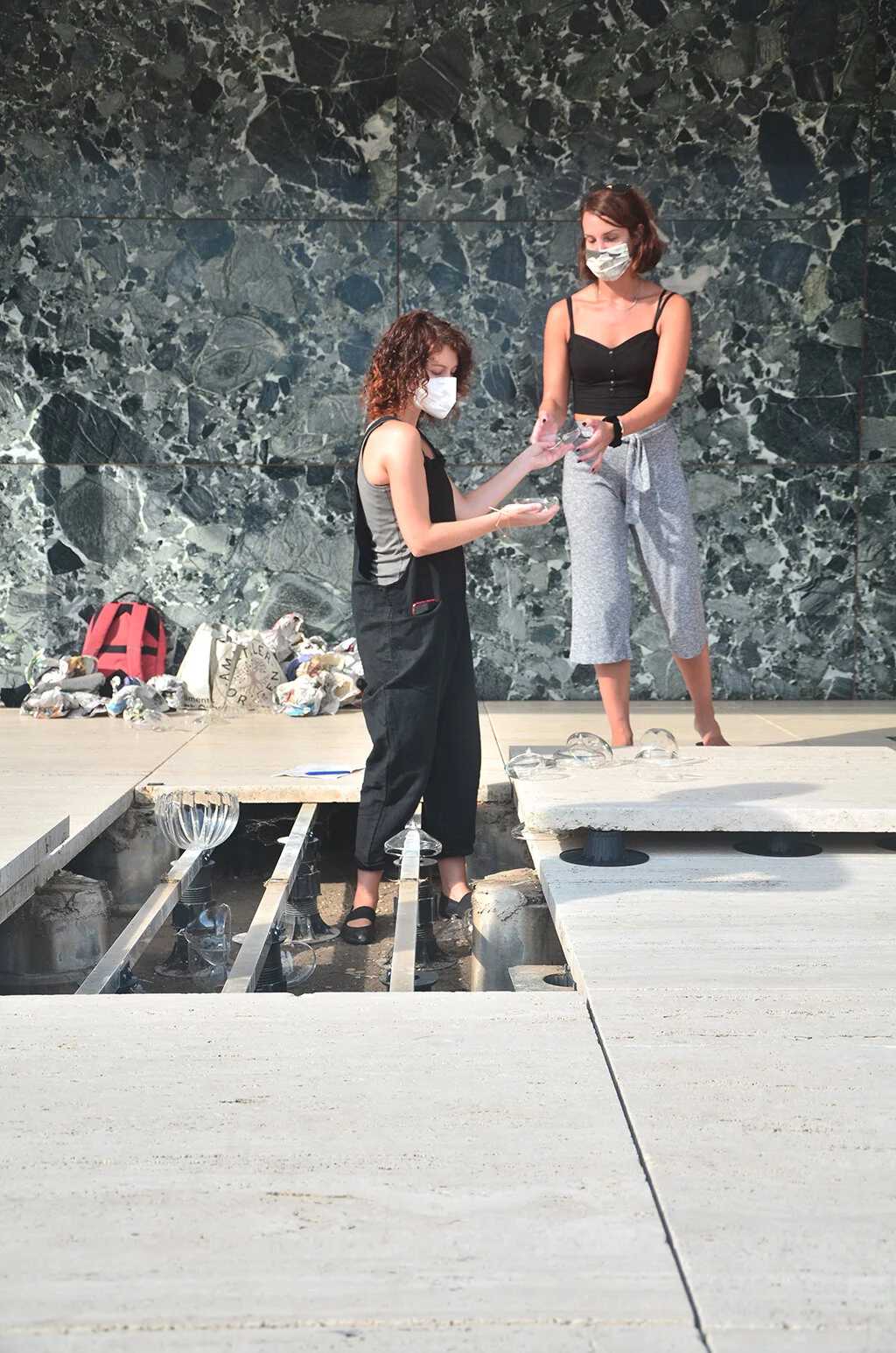
Unearthing the Mies van der Rohe Pavilion in Barcelona! A century later and finally gave breath to its foundation. Found some very interesting trinkets underneath—a map, coins, gold stars. Truly an experience, kind of like when Elio and Oliver were pulling those Greek statues out of the lake in CMBYN 😄. Looking forward to seeing this project come to light ⚡ Cheers to the team @stellaraholamatutes @meats.elisava @fundaciomies
IAAC Spring Lecture Series – Black Ecologies – 2020
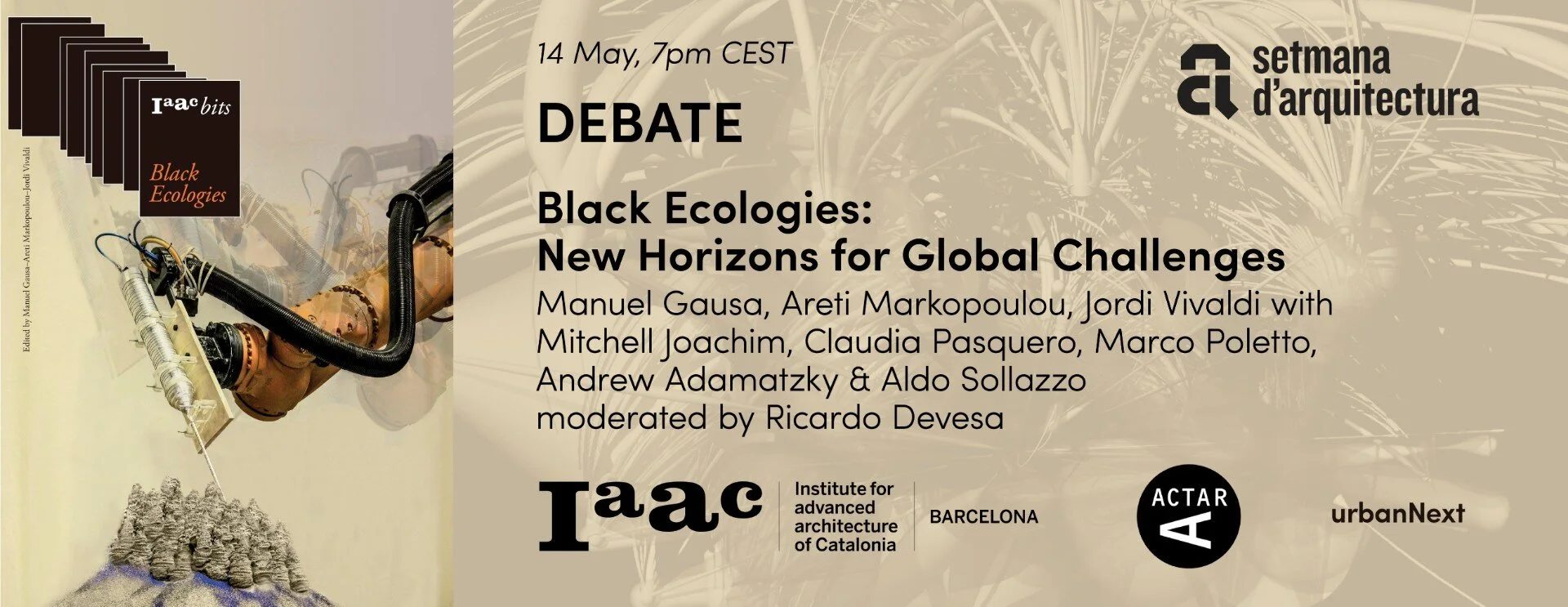
IAAC Lecture Series 2019/20 – Black Ecologies Debate
14th May 2020, 19:00 (CET)
The launch of Iaac Bits #9: Black Ecologies, the Institute of Advanced Architecture of Catalonia’s Journal co-edited by Actar Publishers, is the occasion to discuss the need to define a new natural environment co-produced by all ecological, biological, technological and cultural agents.
The debate on Black Ecologies book, will introduce the new practices of architecture and urban planning that create ecologies, which, as the title of the book says, are dark, or rather hybrid. These are ecologies that go beyond the traditional dichotomies between interior and exterior, or natural and artificial.
The participants will have the opportunity to interact with the contributors of the book and be introduced in architectural projects that in a pioneer and experimental way merge humans with robots, biology with artificial intelligence, or nature with technology.
>> more at: https://actar.com/product/iaac-bits-9/
>> replay of discussion: click
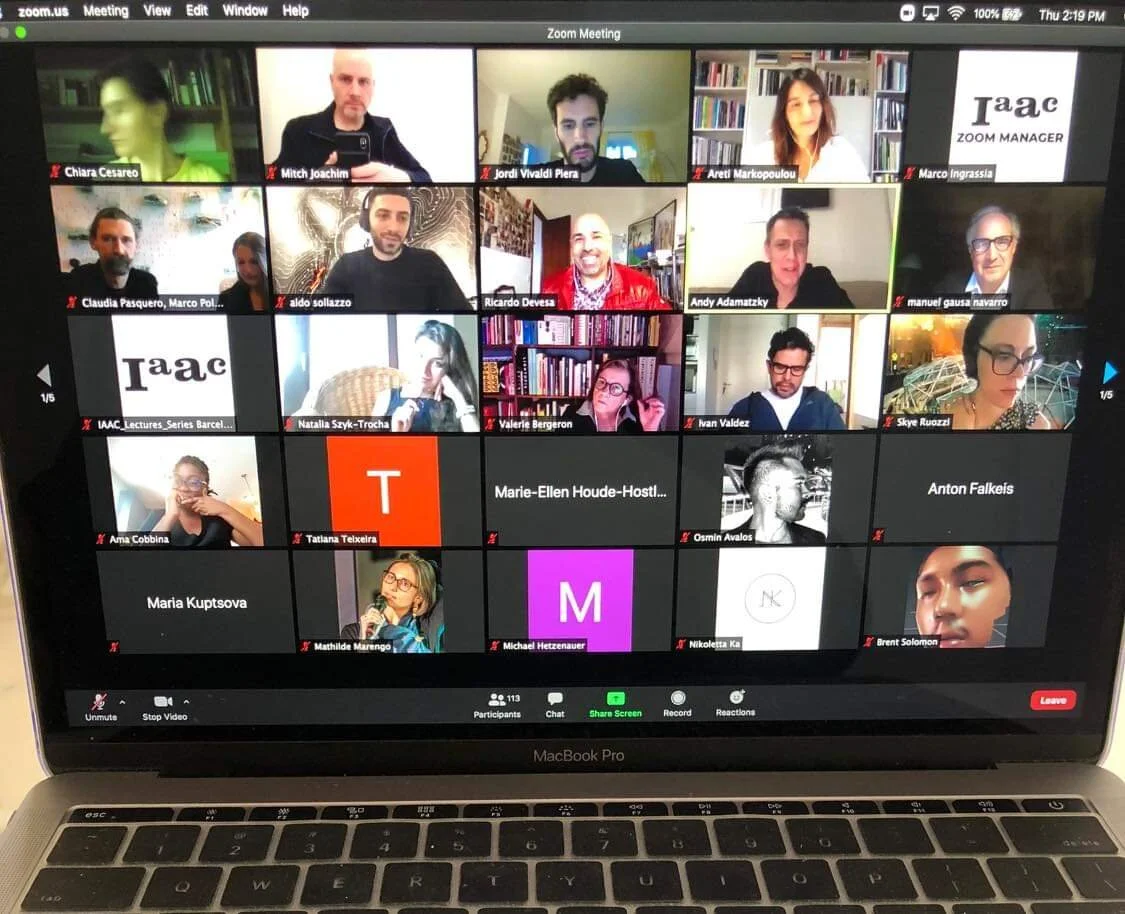
Note: Good to be in the same room with Mitch again! #quarantinelife
Also a cameo by Plug-In Ecology!
BTS + "Beautiful Failures"
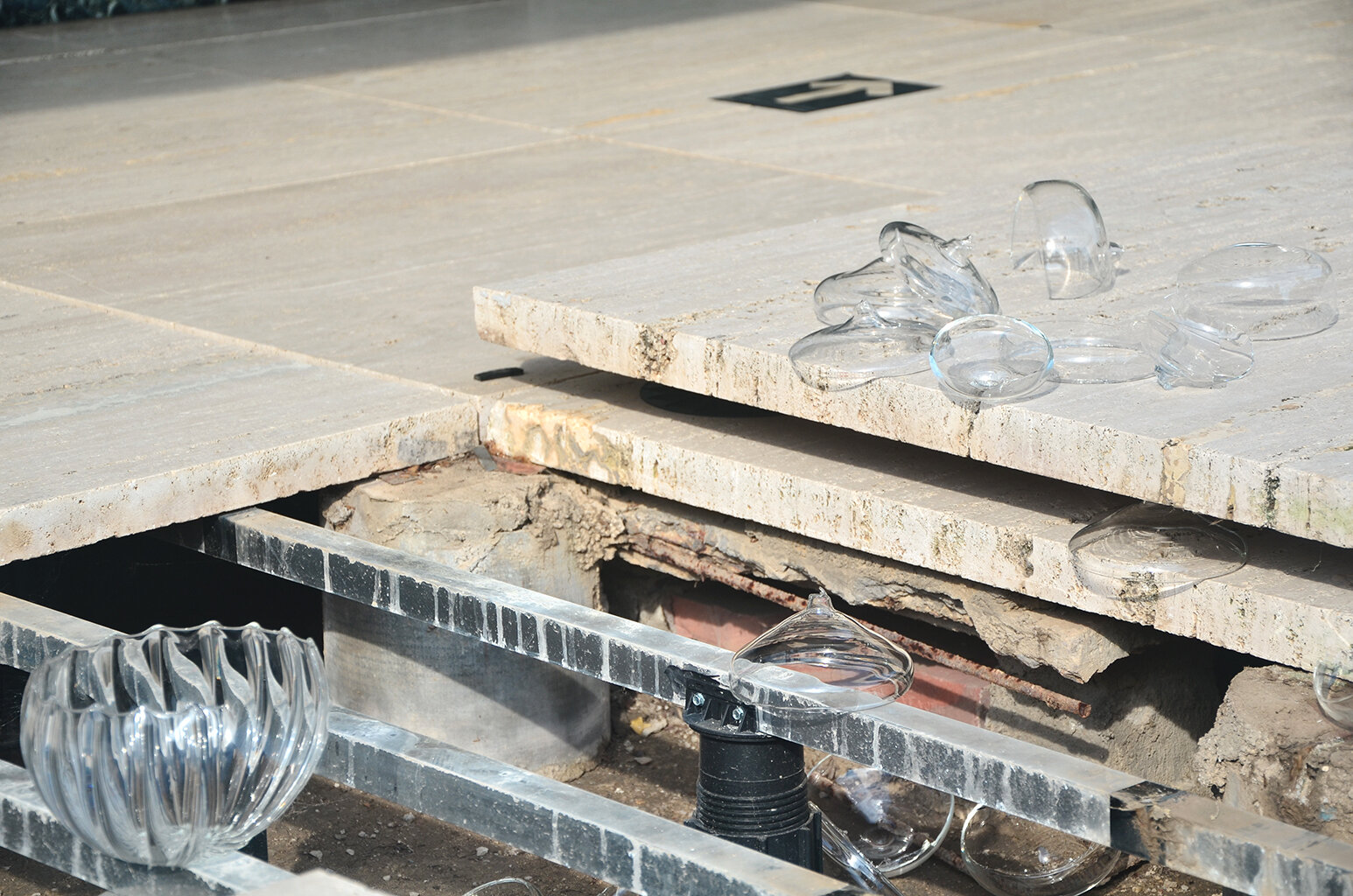
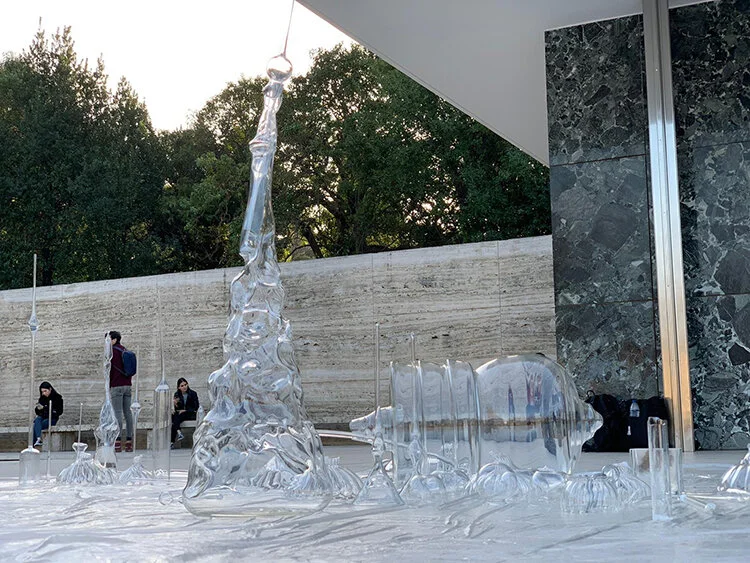
Beautiful Failures is a collection of discarded hand blown glass pieces, collected by Elisava’s Masters in Ephemeral Architecture and Temporary Space Design students, under the supervision of Stella Rahola Matutes and Roger Paez, in collaboration with Fundació Mies van der Rohe.
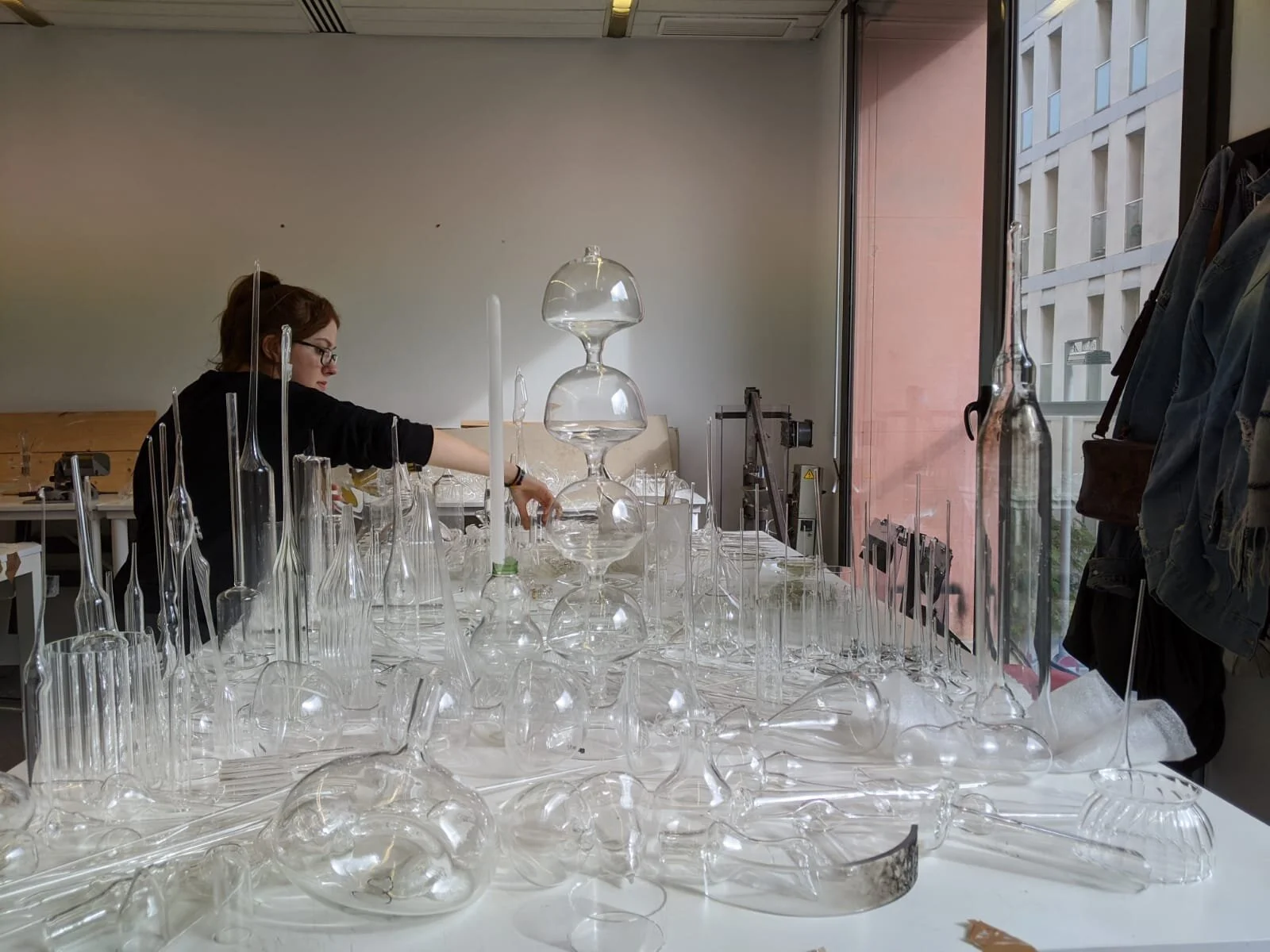
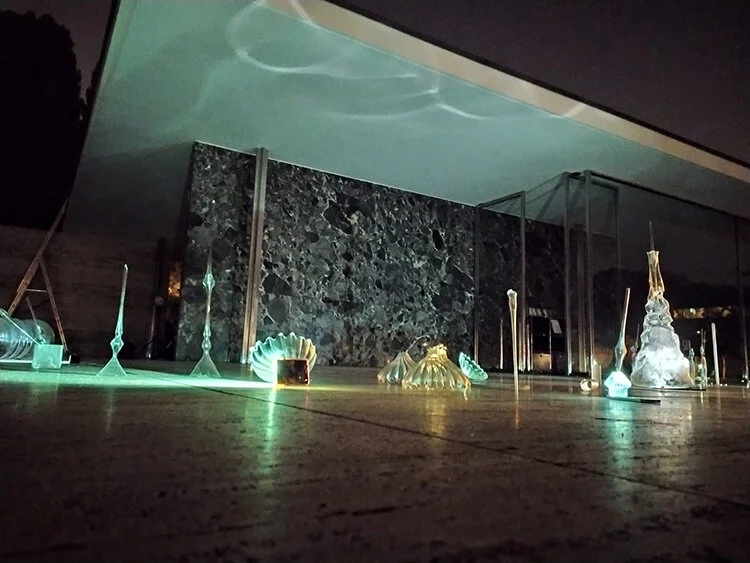
BTS + "Beautiful Failures," experiments at the Pavilion
Beautiful Failures is a story of construction-destruction-construction to reflect on the rich history of the German Pavilion of Barcelona 1929 International Exhibition. At the same time, it considers current events that transcend material culture and question our memory and ethics. We fervently think that the pavilion’s history and its context embraces and exalts the grudges and desires we come to tell.
In 1914, while Mies van der Rohe began sketching the glass skyscraper for the Friedrichstraße competition, Paul Scheerbart published Glasarchitektur (Glass Architecture). In this essay, the author demanded a replacement of brick construction in architecture in favour of glass. The possibility of transparency of this material encouraged the idea of generating a new society by releasing it from the shadows.
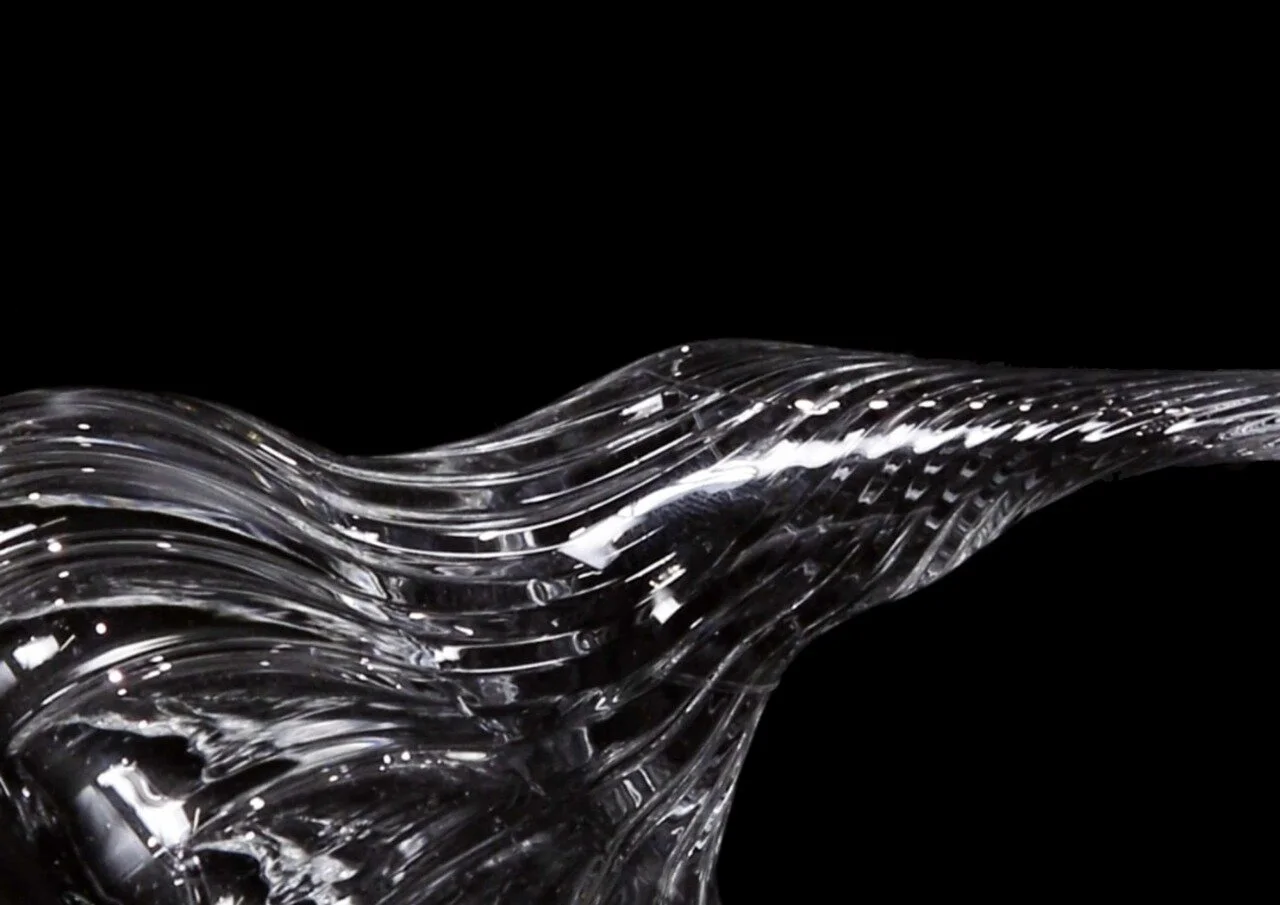
The properties of glass have always caused a mystical fascination. Due to its appearance as an amorphous material, it resonates with bright minerals. It presents complex qualities such as fragile hardness. It also brings danger such as razor-sharp edges, or high temperatures when in viscous state.
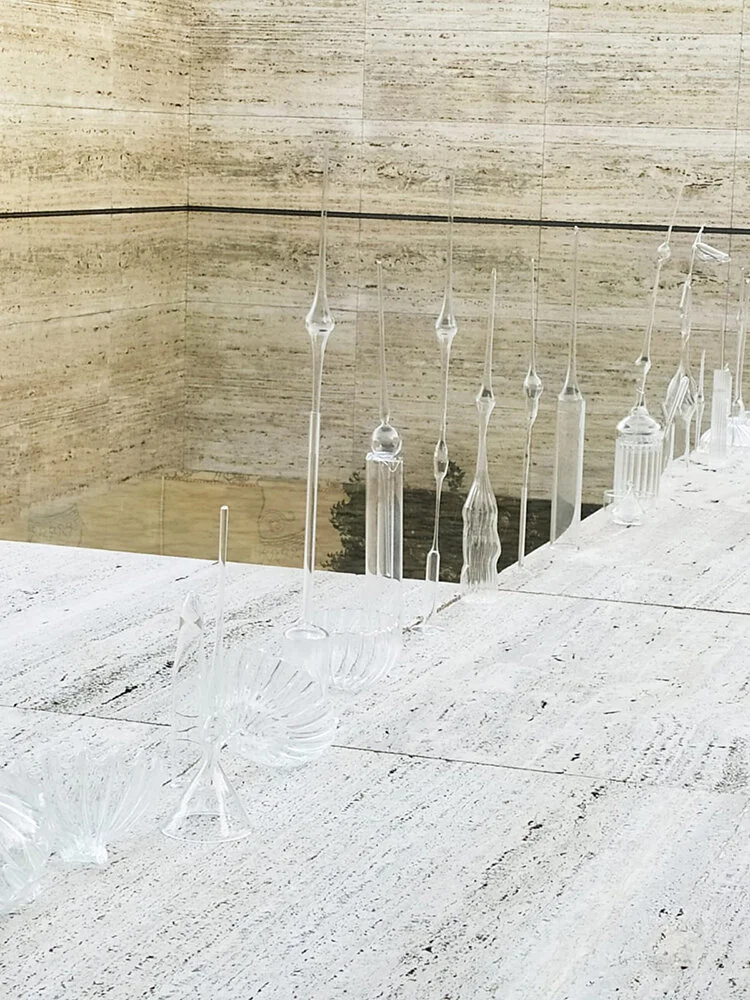
While many architectural utopias are framed in glass’s hypnotic qualities, many dystopias have been devised based on its contradictions. Mies’s and Reich’s German Pavilion is a clear example of glass’s ambivalence. Its polished surfaces of stones and water sheets seek to mirror the intrinsic qualities of glass: transparency and reflectiveness. The pavilion’s architecture of reflexes and see-through followed the idea of progress and freedom in a new German republic. However, in the last decades, glass has been applied to continuous curtain-walls in corporate buildings and anonymous architecture. Devoid of its suggestive and quasi-mystical origin, plate glass has emulated the tenets of globalized modernity to the point of becoming its symbol. Despite its obvious failures and explicit horrors (e.g., 9/11), this image of modernity continues to thrive in our collective memory.
Niche Tactics: Generative Relationships Between Architecture and Site
by Caroline O'Donnell (Author)
“A snippet from Ingraham’s Foreword:
“…O’Donnell’s book provides very sharp insights into what it might mean to draw, as an architect or urban designer, in order to draw out, in an ecological sense, the ‘missing perspectives’ of diverse and complex contexts in past, contemporary, and future architectural work.””
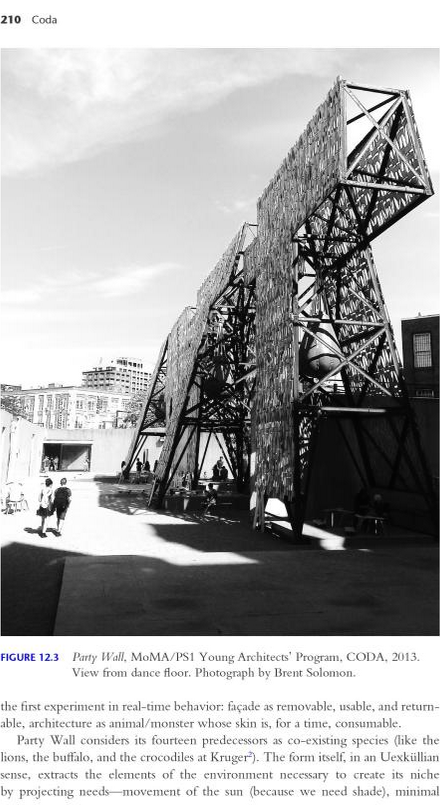
Niche Tactics aligns architecture's relationship with site with its ecological analogue: the relationship between an organism and its environment.
Bracketed between texts on giraffe morphology, ecological perception, ugliness, and hopeful monsters, architectural case studies investigate historical moments when relationships between architecture and site were productively intertwined, from the anomalous city designs of Francesco de Marchi in the sixteenth century to Le Corbusier’s near eradication of context in his Plan Voisin in the twentieth century to the more recent contextualist movements. Extensively illustrated with 140 drawings and photographs, Niche Tactics considers how attention to site might create a generative language for architecture today.
http://www.amazon.com/Niche-Tactics-Generative-Relationships-Architecture/dp/1138793124
Interview with Routledge : https://www.routledge.com/posts/494
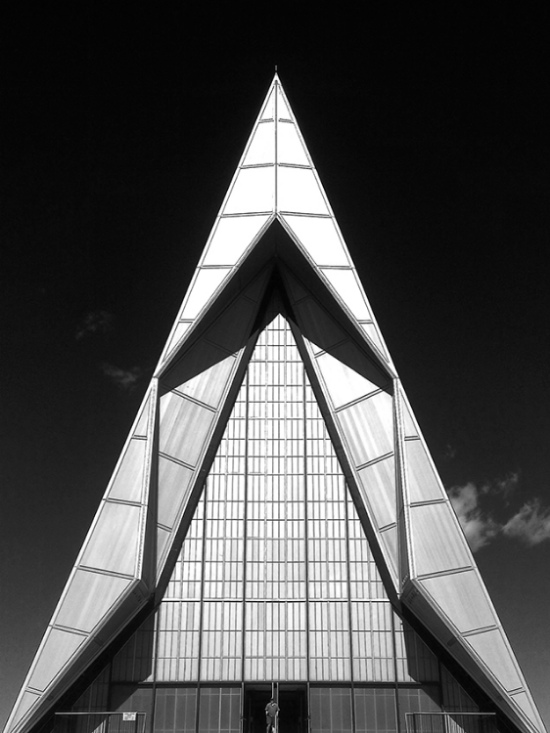
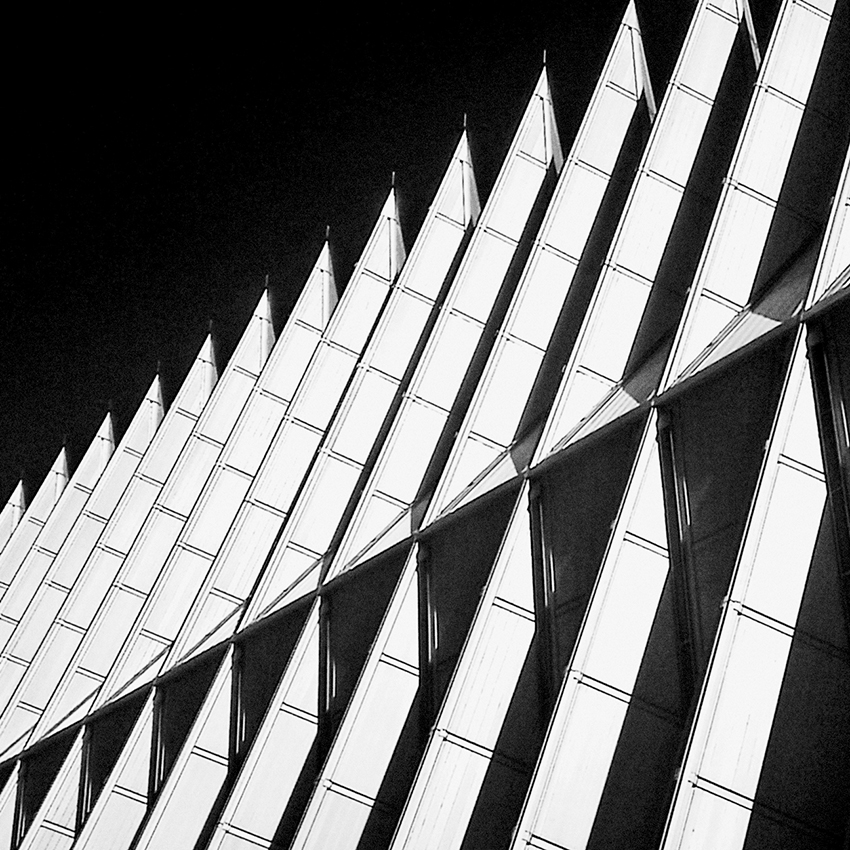
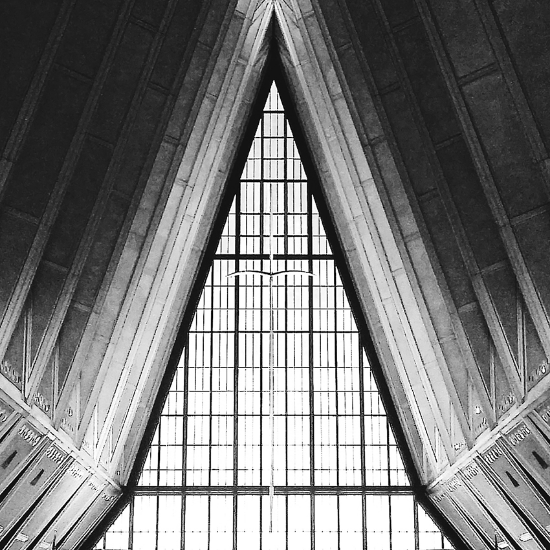
U.S. AIR FORCE ACADEMY CADET CHAPEL
FINALLY GOT AROUND TO SEEING THIS!