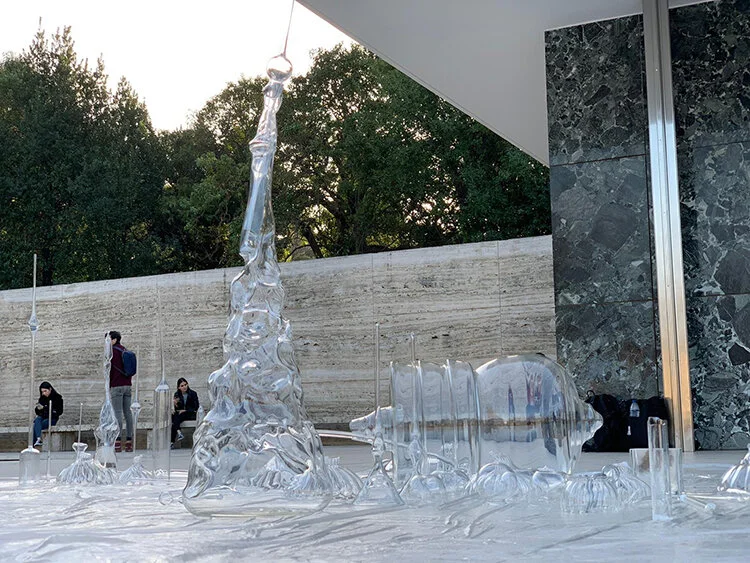
Unearthing the Mies van der Rohe Pavilion in Barcelona! A century later and finally gave breath to its foundation. Found some very interesting trinkets underneath—a map, coins, gold stars. Truly an experience, kind of like when Elio and Oliver were pulling those Greek statues out of the lake in CMBYN 😄. Looking forward to seeing this project come to light ⚡ Cheers to the team @stellaraholamatutes @meats.elisava @fundaciomies
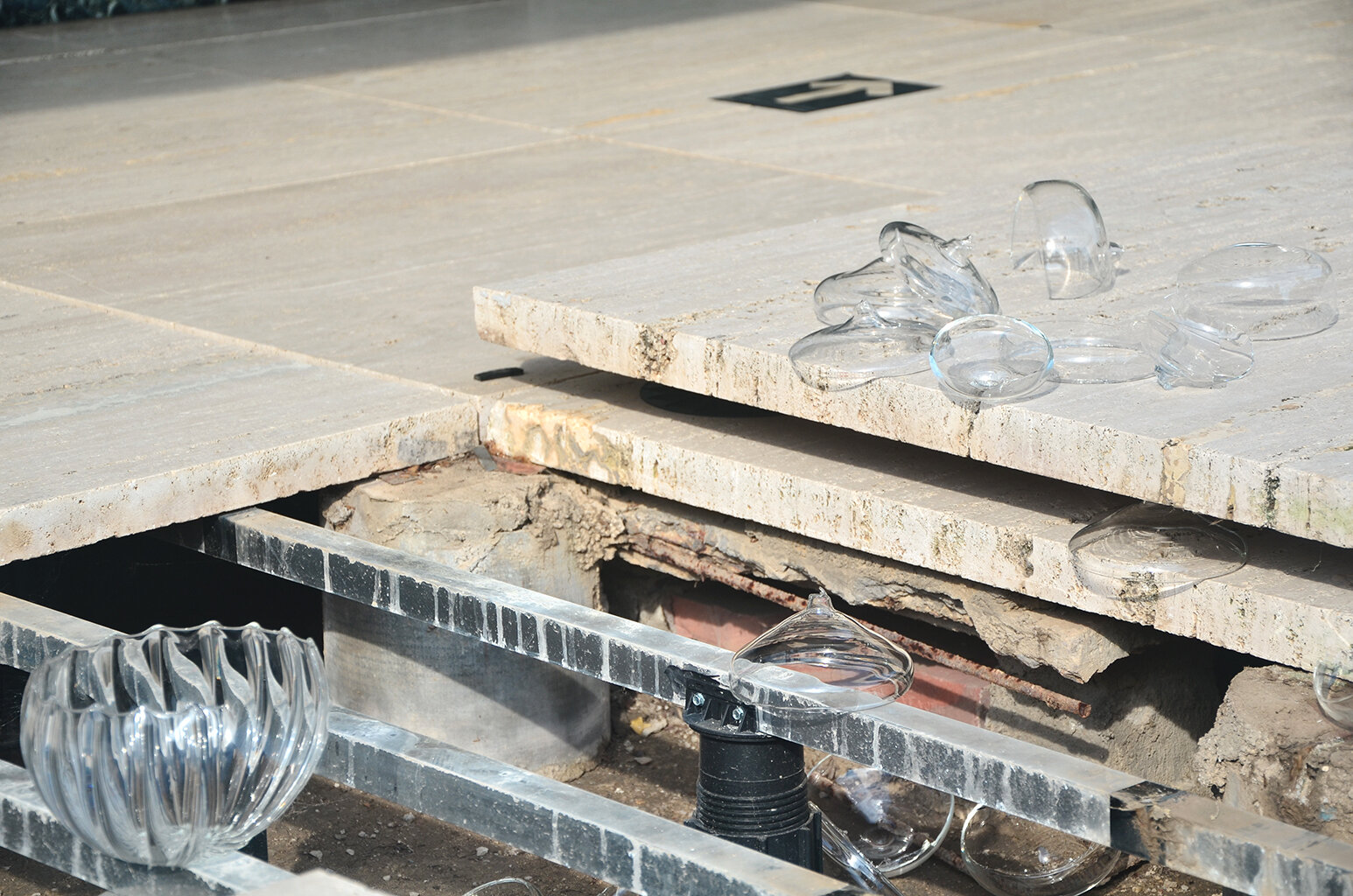
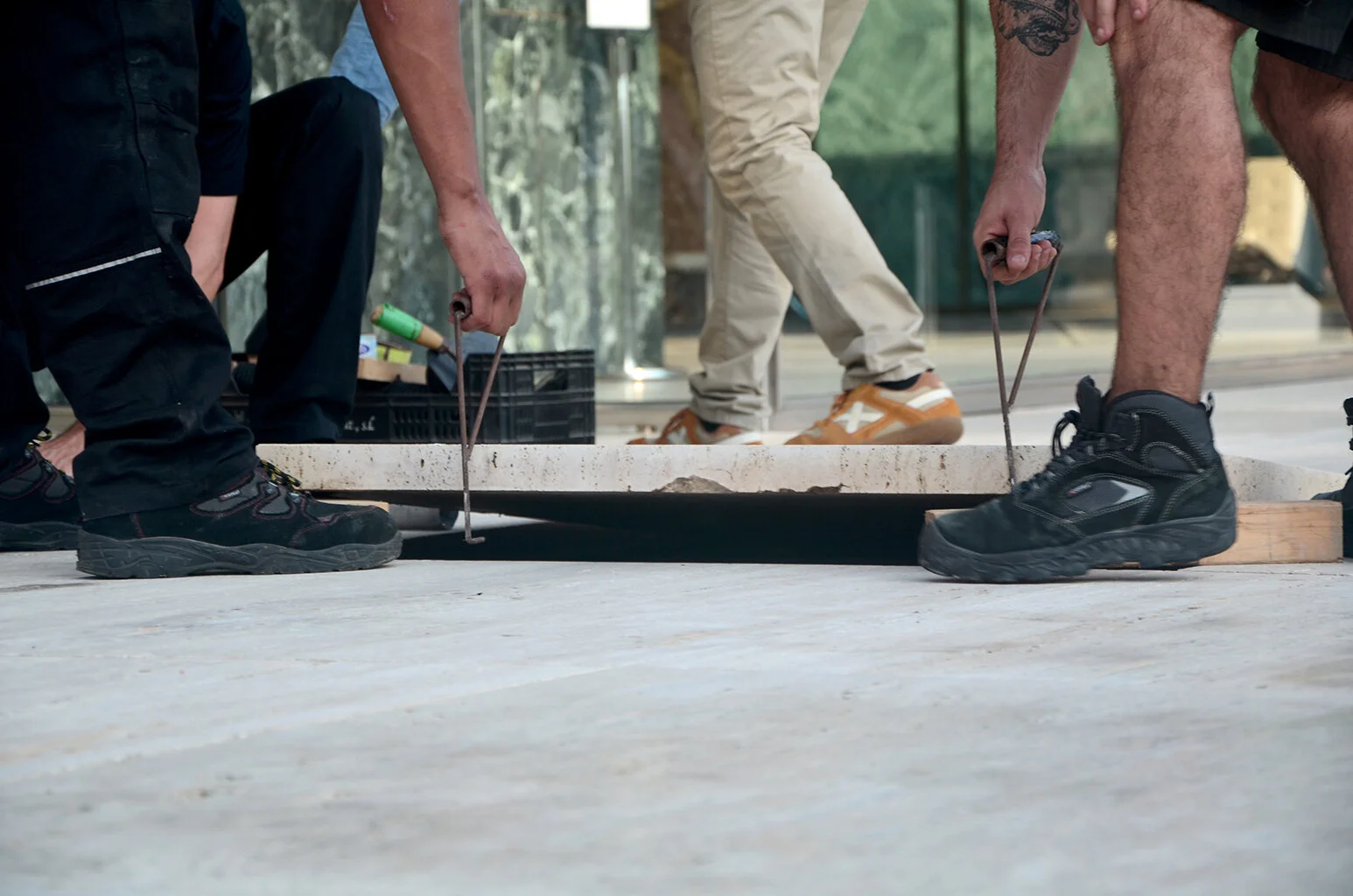
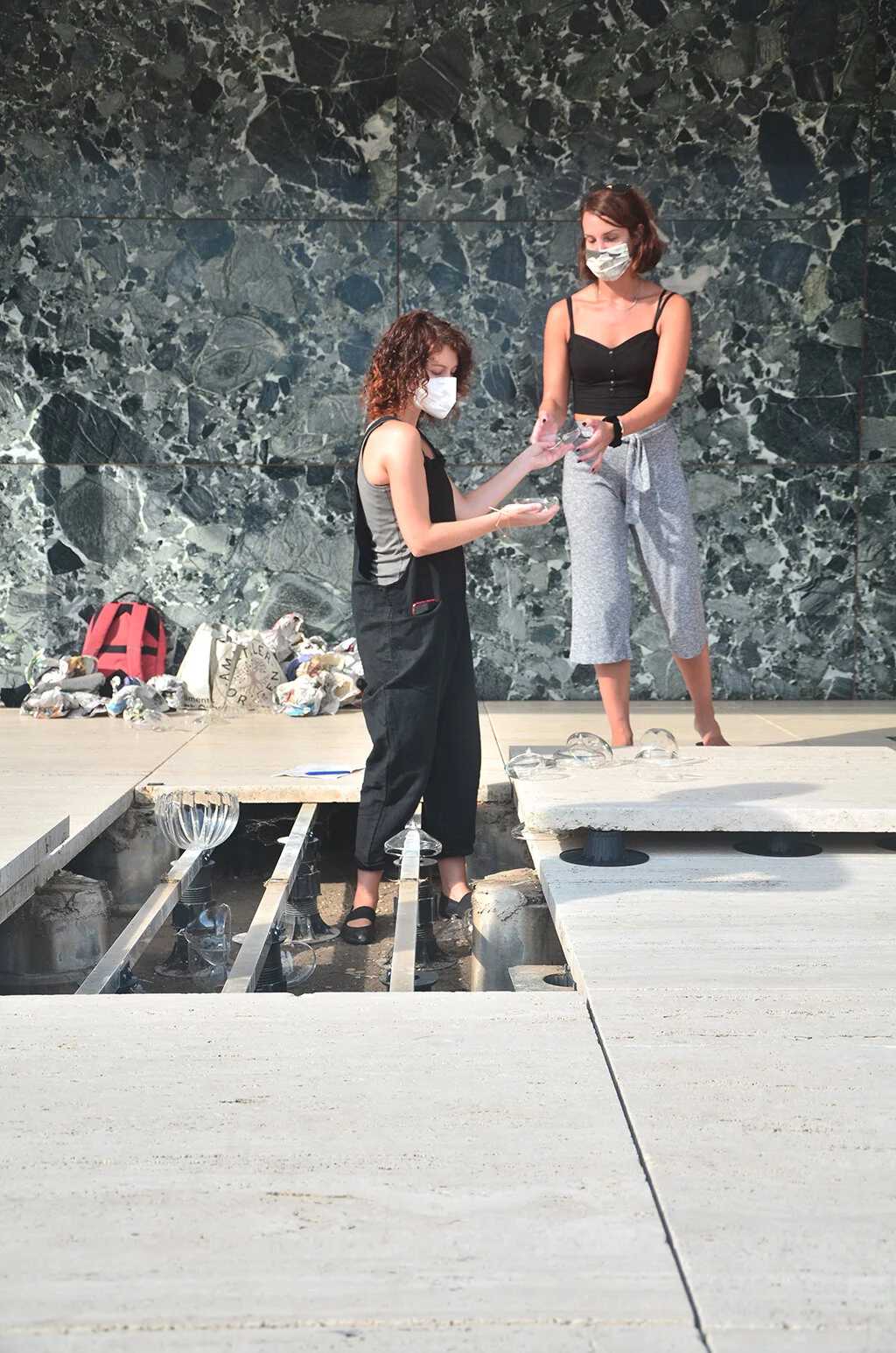
BTS + "Beautiful Failures"
Beautiful Failures is a collection of discarded hand blown glass pieces, collected by Elisava’s Masters in Ephemeral Architecture and Temporary Space Design students, under the supervision of Stella Rahola Matutes and Roger Paez, in collaboration with Fundació Mies van der Rohe.
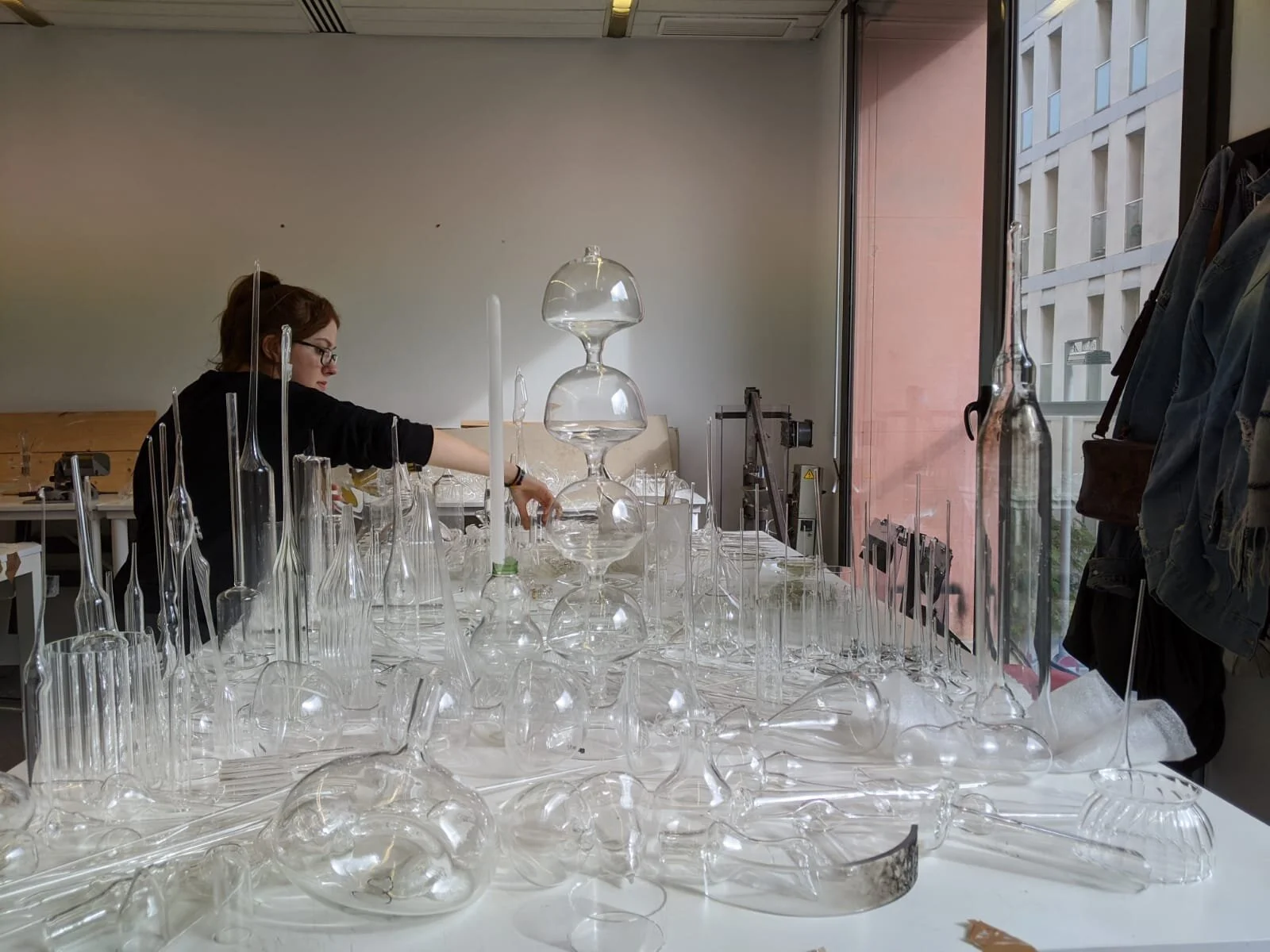
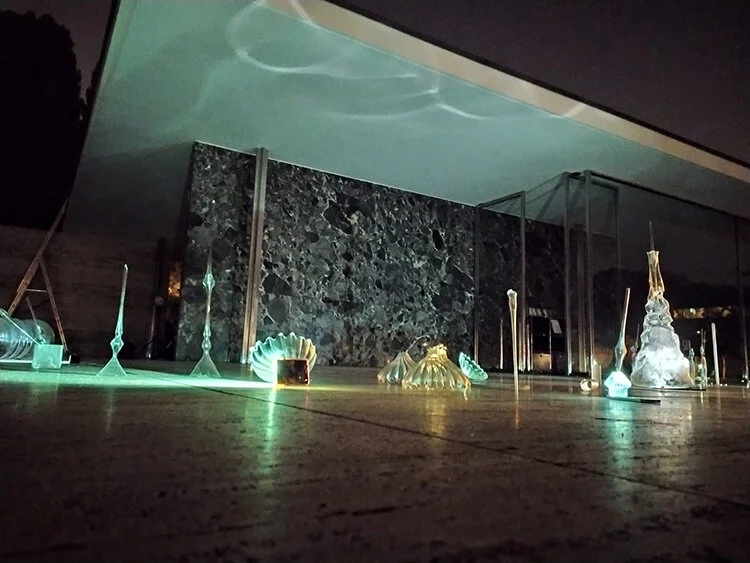
BTS + "Beautiful Failures," experiments at the Pavilion
Beautiful Failures is a story of construction-destruction-construction to reflect on the rich history of the German Pavilion of Barcelona 1929 International Exhibition. At the same time, it considers current events that transcend material culture and question our memory and ethics. We fervently think that the pavilion’s history and its context embraces and exalts the grudges and desires we come to tell.
In 1914, while Mies van der Rohe began sketching the glass skyscraper for the Friedrichstraße competition, Paul Scheerbart published Glasarchitektur (Glass Architecture). In this essay, the author demanded a replacement of brick construction in architecture in favour of glass. The possibility of transparency of this material encouraged the idea of generating a new society by releasing it from the shadows.
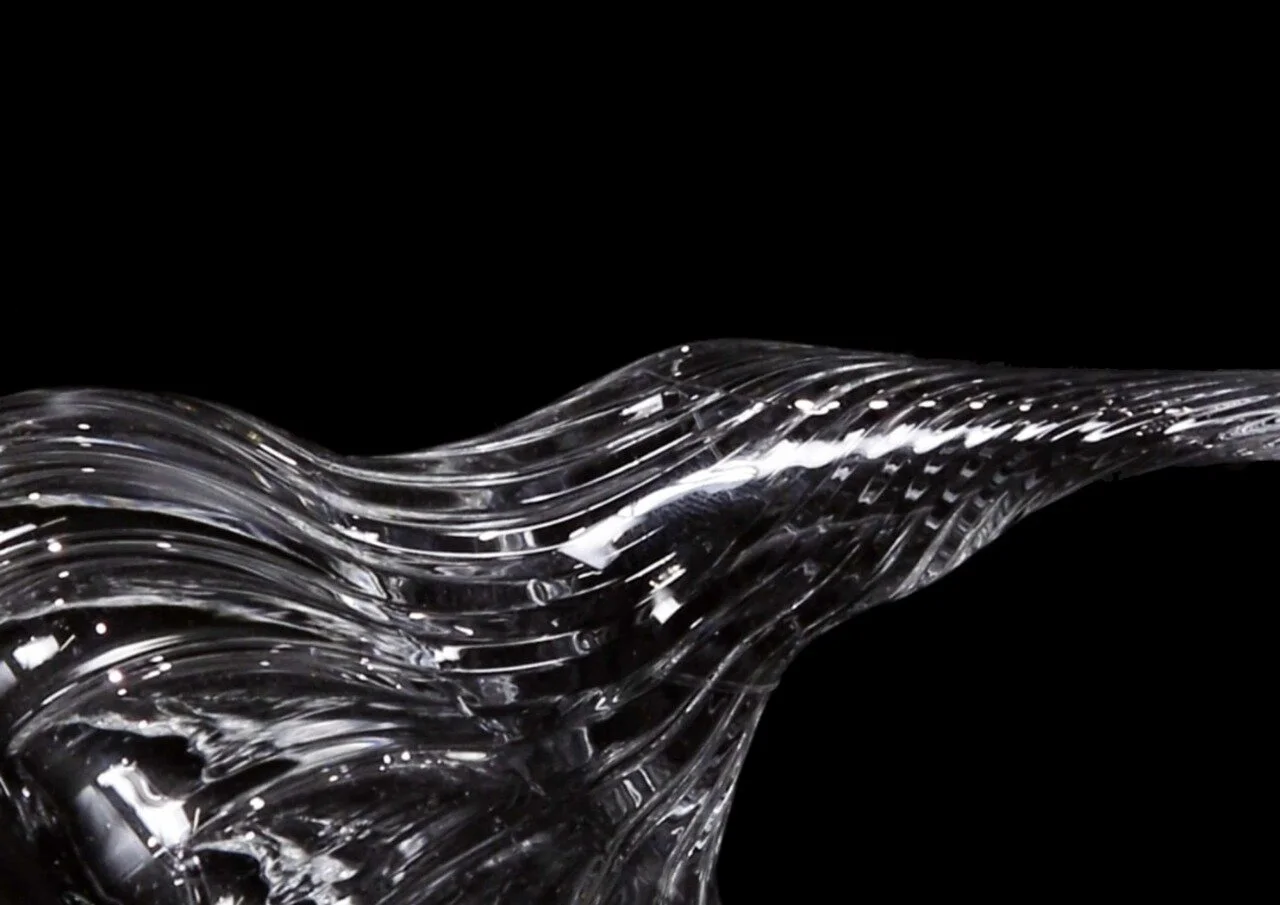
The properties of glass have always caused a mystical fascination. Due to its appearance as an amorphous material, it resonates with bright minerals. It presents complex qualities such as fragile hardness. It also brings danger such as razor-sharp edges, or high temperatures when in viscous state.
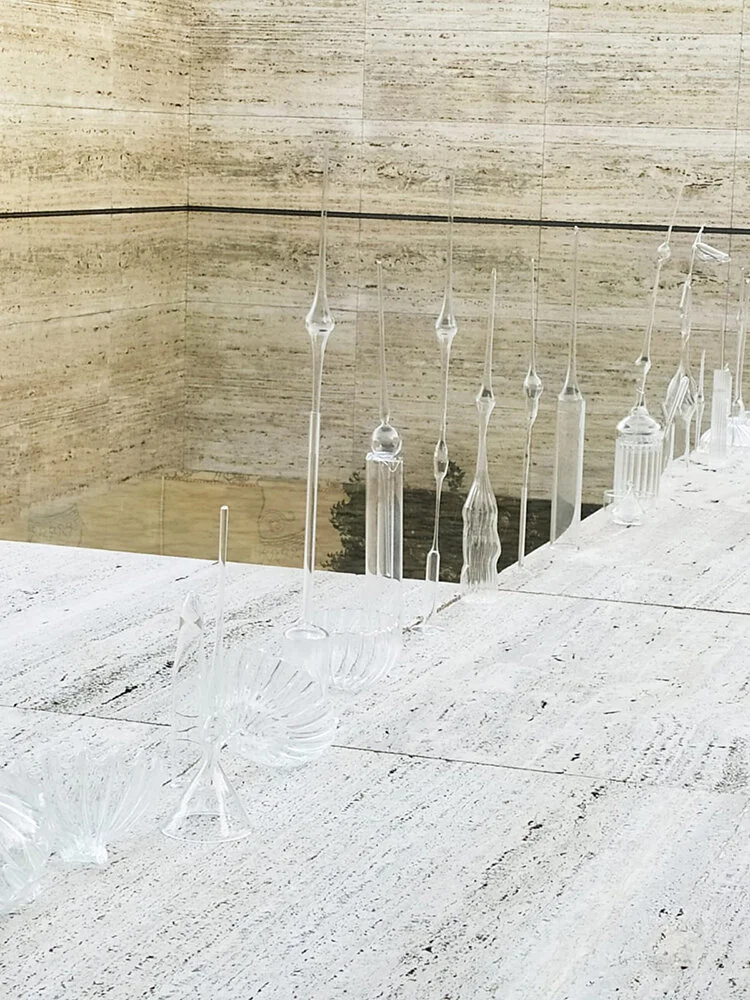
While many architectural utopias are framed in glass’s hypnotic qualities, many dystopias have been devised based on its contradictions. Mies’s and Reich’s German Pavilion is a clear example of glass’s ambivalence. Its polished surfaces of stones and water sheets seek to mirror the intrinsic qualities of glass: transparency and reflectiveness. The pavilion’s architecture of reflexes and see-through followed the idea of progress and freedom in a new German republic. However, in the last decades, glass has been applied to continuous curtain-walls in corporate buildings and anonymous architecture. Devoid of its suggestive and quasi-mystical origin, plate glass has emulated the tenets of globalized modernity to the point of becoming its symbol. Despite its obvious failures and explicit horrors (e.g., 9/11), this image of modernity continues to thrive in our collective memory.