BTS + ÀNIMA, Contextual framework representation

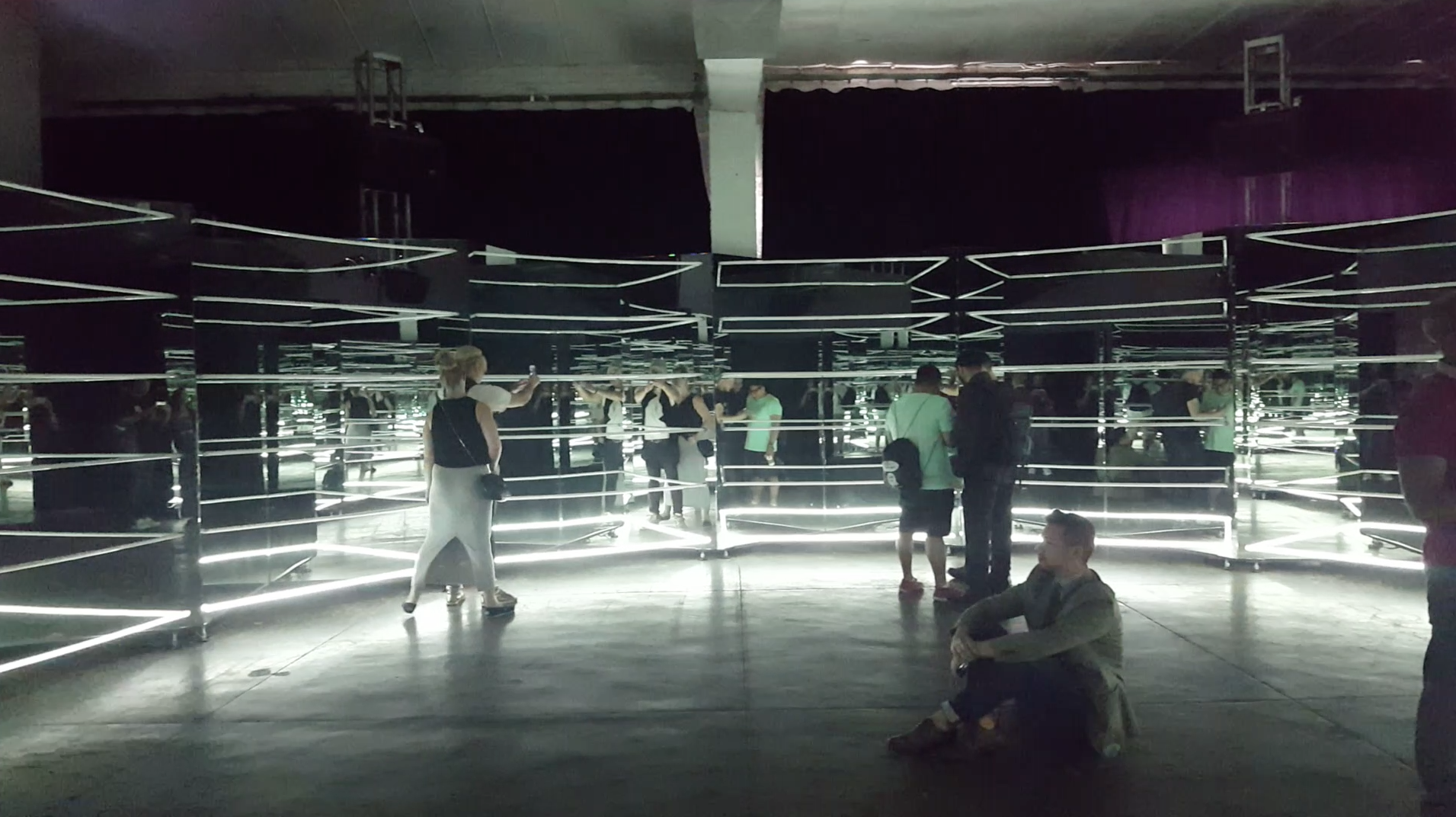
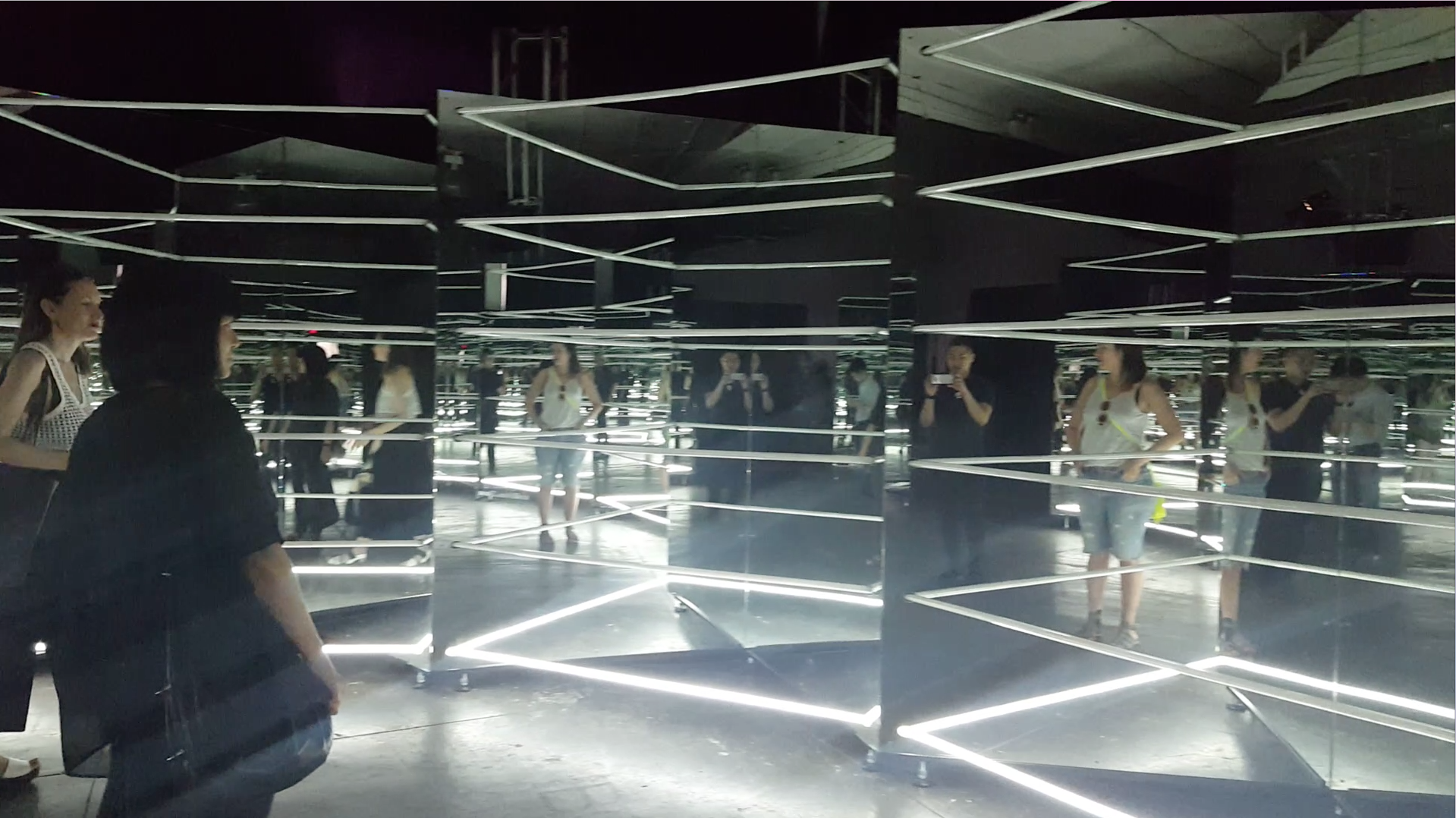
The installation uses the light you see through the fiber as a metaphor for all the collected digital souls. The light consistency shows that we were all part of an unlimited file system. Every light is so intense like the others, simulating data frozen over time, which serve as a reminder of equality human. Privacy will never be ours again, now we are all transparent. At 22 District, our lighting installation becomes a center of mass-collected thoughts and memories. These memories are not of a certain moment, nor of specific people; they have no identity and make us one more. Some of them died and some are still alive alive. Our data will transcend our human capabilities, becoming tools alien to us.

For all the information that time has preserved and will continue to maintain, our existence is an ephemeral entity; without power, it can only be visualized and felt, but it cannot be altered

Main subjects of the study
A. History of LLUM and Poblenou
B. Installation Art
C. Lighting Sector
D. Temporality and effects
E. Construction, materials and life cycle
F. Narrative, Interaction and Visitor’s Experience
G. Experience within MEATS, Festival & ANIMA

Contextual framework representation method3-03.png

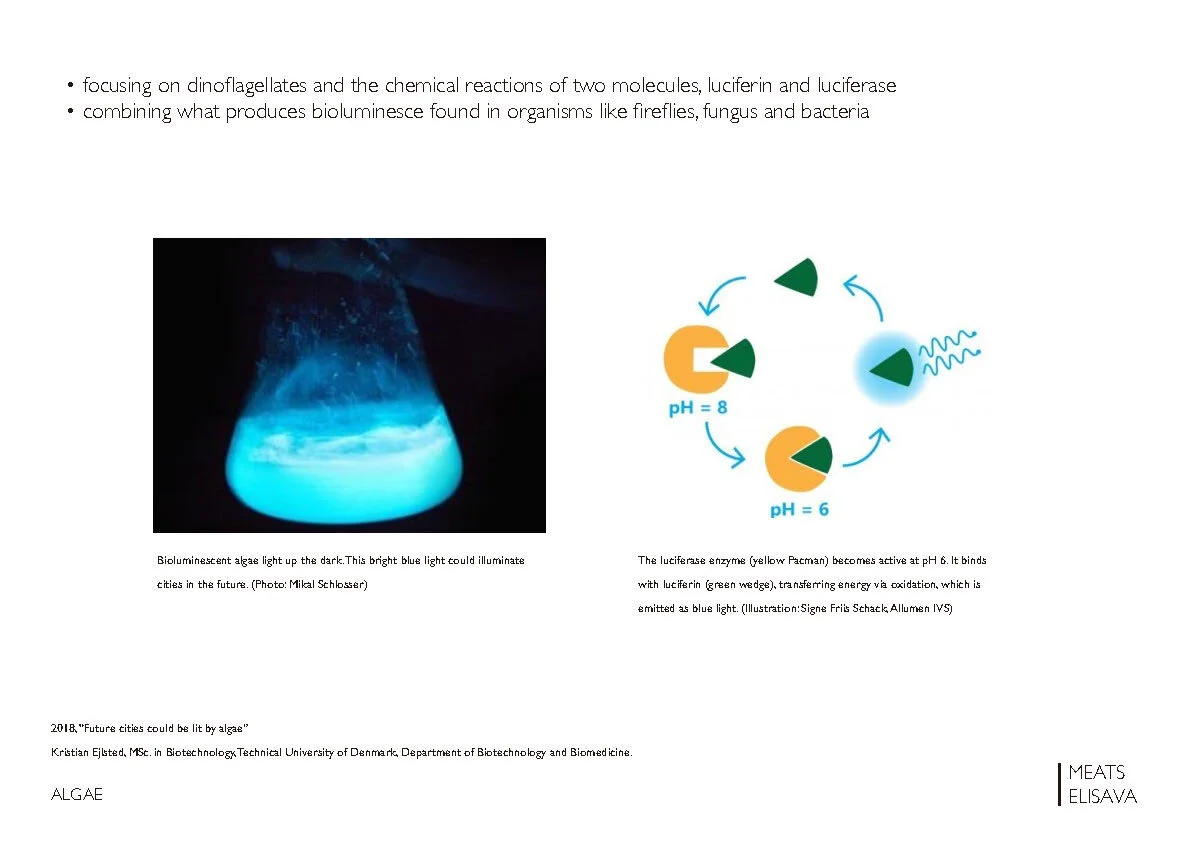
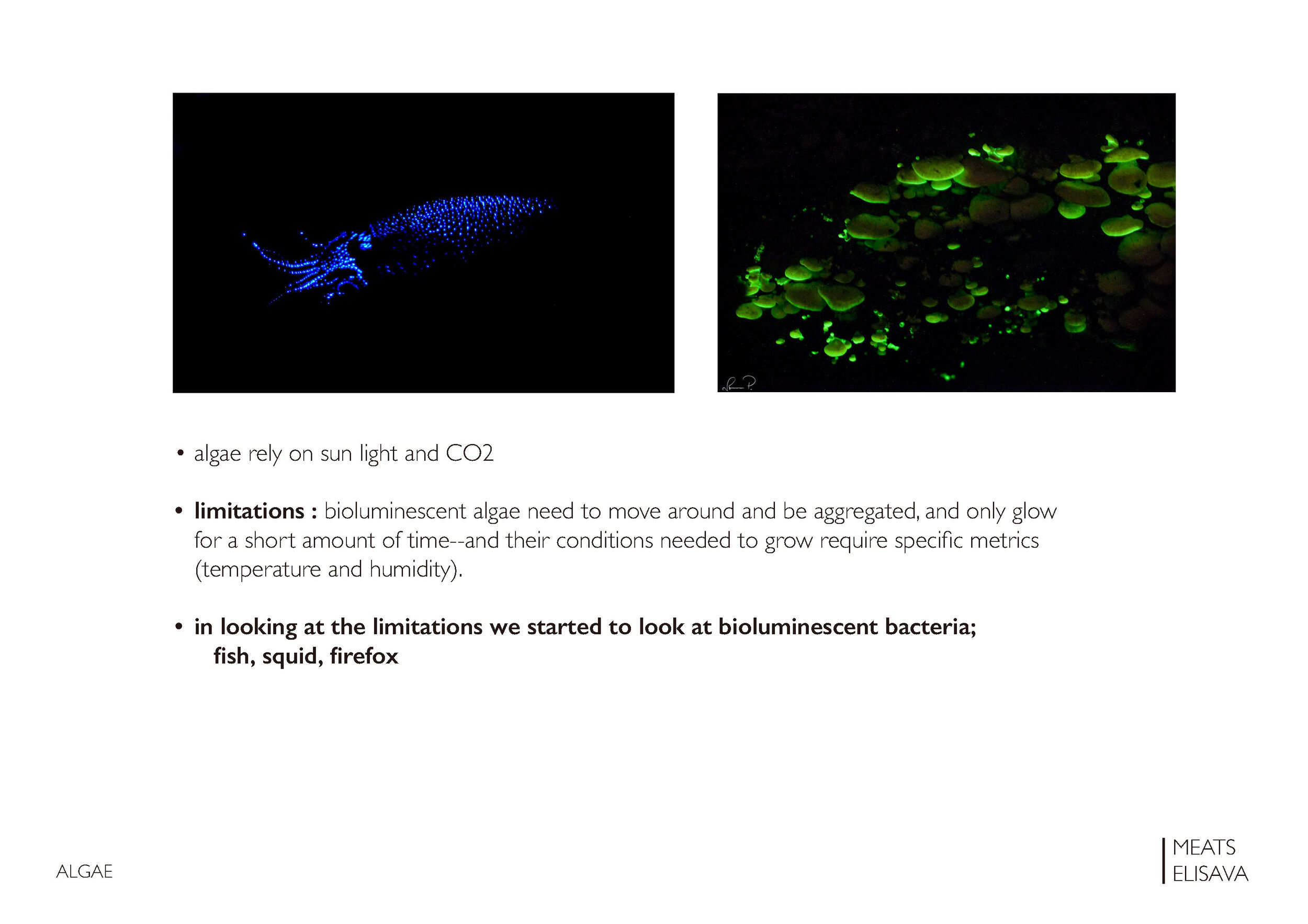
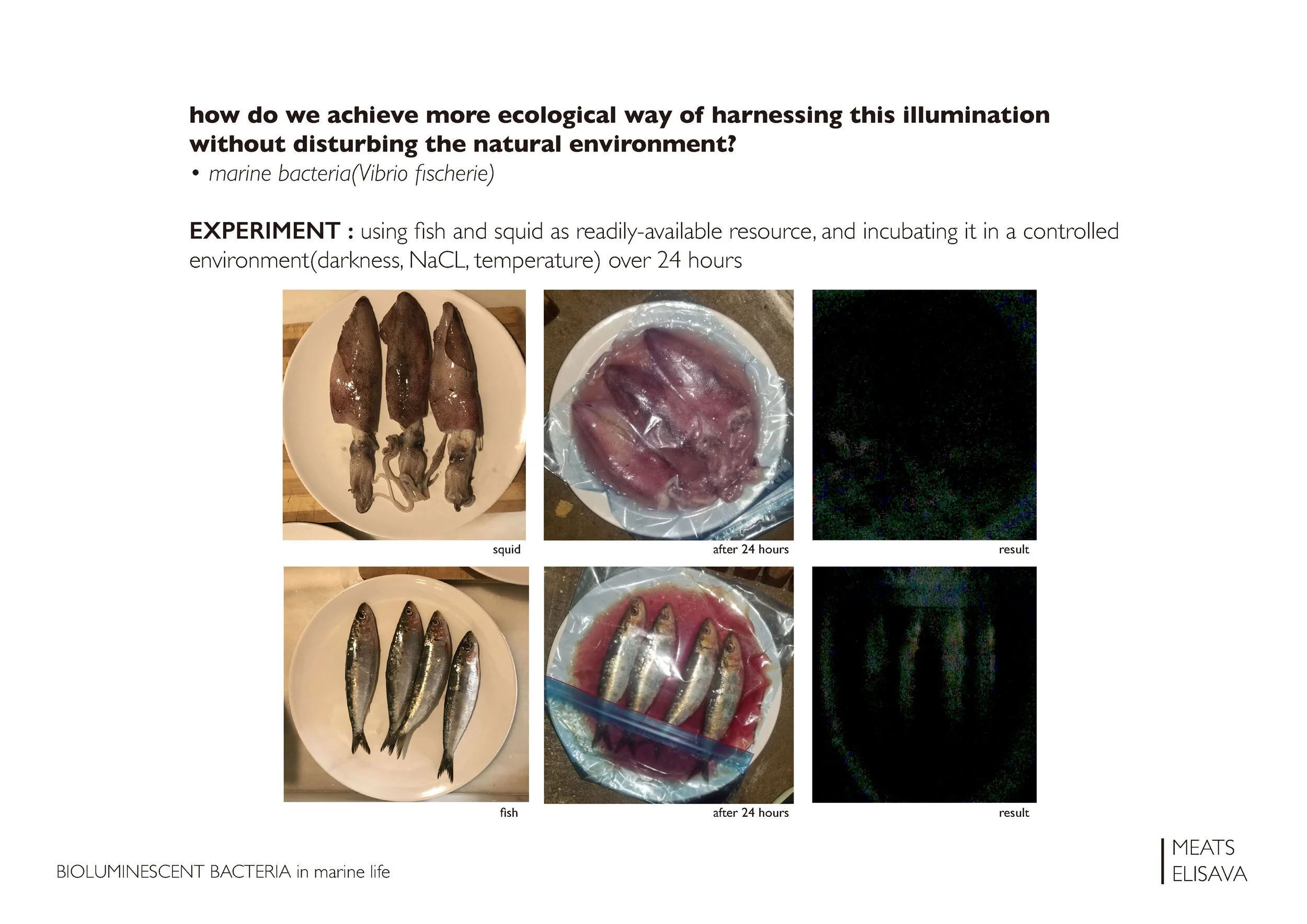
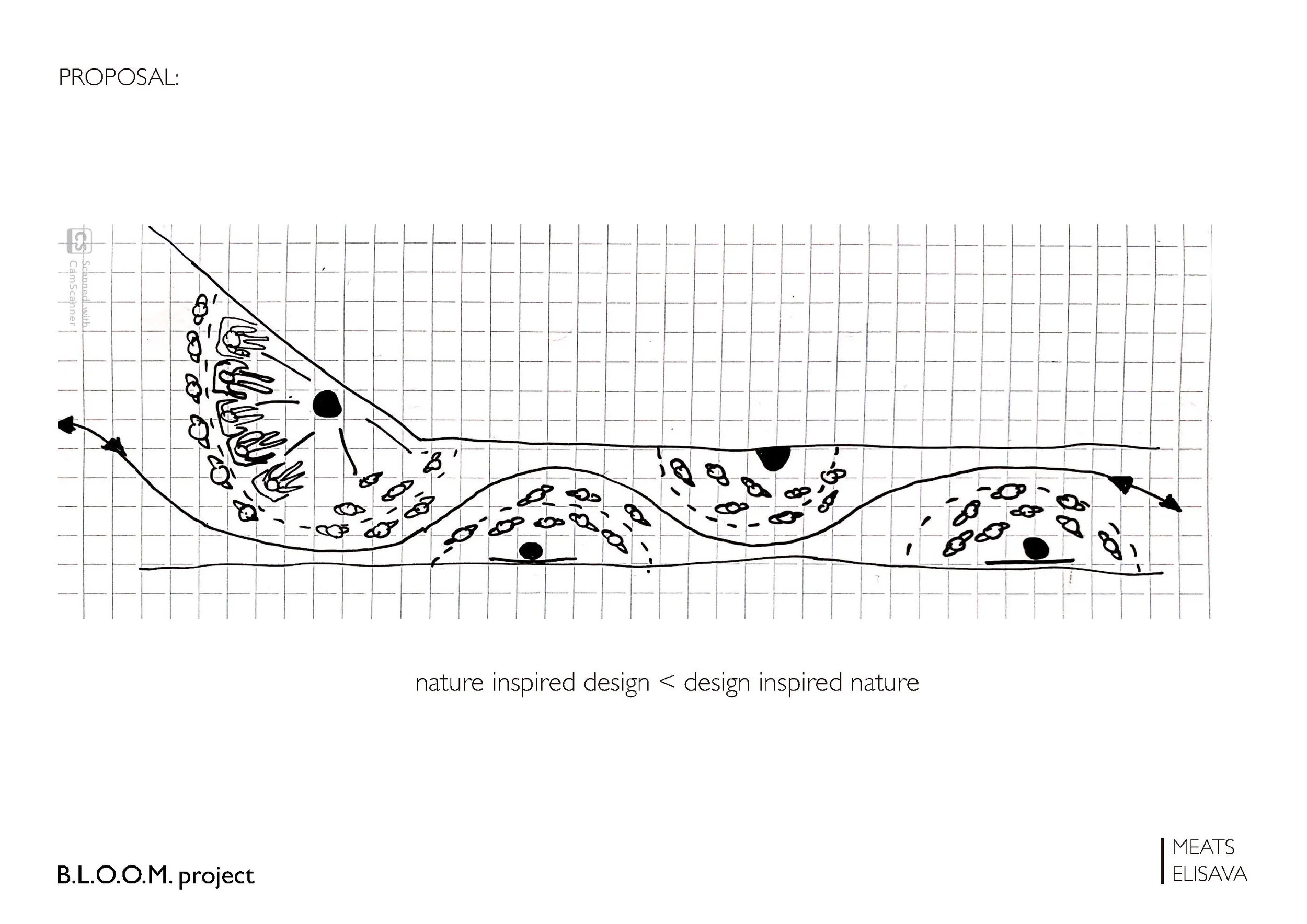
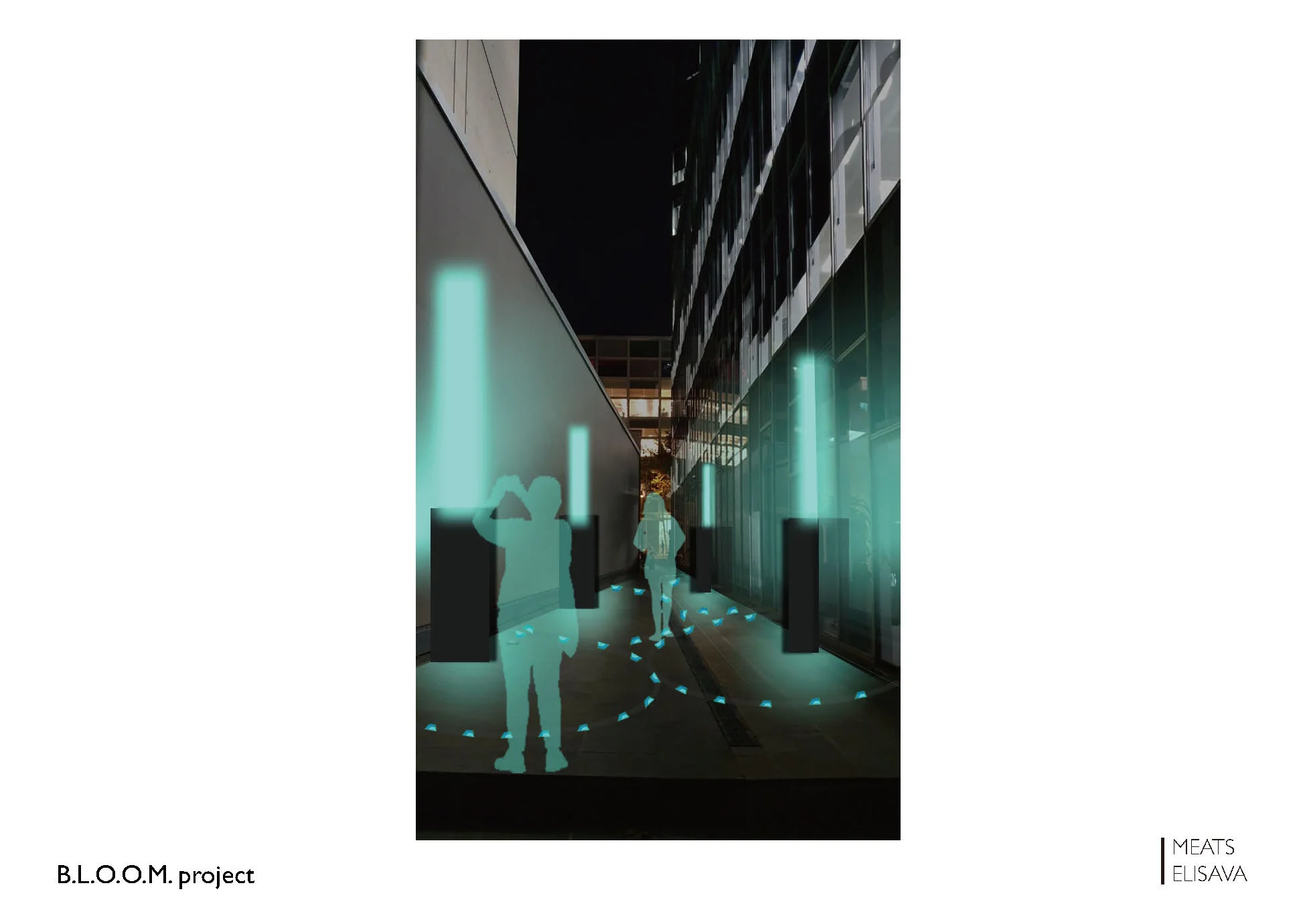
Unit 2.1, B.L.O.O.M. project / proposals for alternative lighting strategies

Team proposal for an alternative lighting strategy, implemented as a case-by-trial research endeavor. Thankfully, the Mercado la Boqueria had just received fresh shipments of fish, of which we more than eager to stock up on!

The thing about experiments is just that in the word itself—a case of trial and error! We tried. And pretty sure we were the only ones on Earth marinating dead squid in their balconies over the weekend. Anyway, cheers to the b.l.o.o.m. project team!

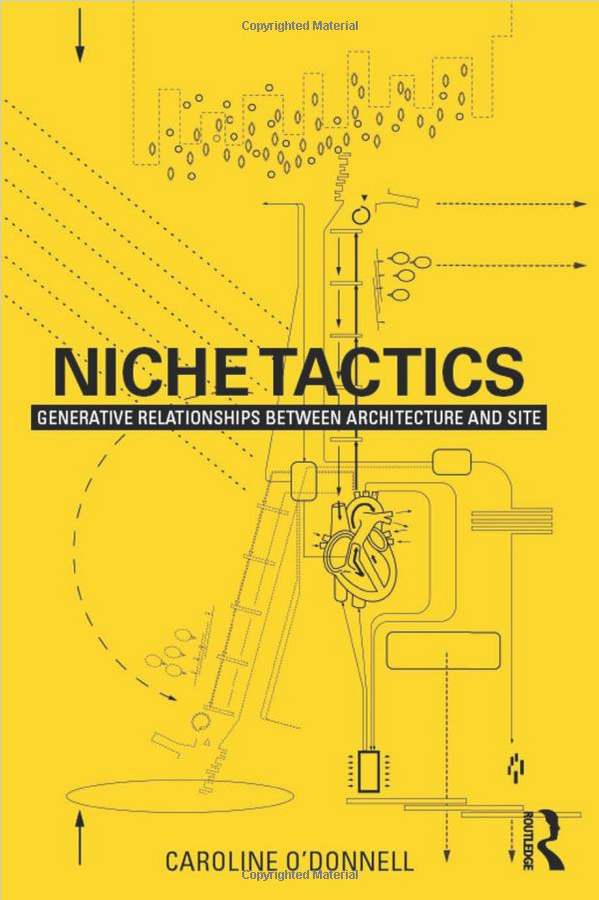
Niche Tactics: Generative Relationships Between Architecture and Site

by Caroline O'Donnell (Author)

A snippet from Ingraham’s Foreword:

“…O’Donnell’s book provides very sharp insights into what it might mean to draw, as an architect or urban designer, in order to draw out, in an ecological sense, the ‘missing perspectives’ of diverse and com­plex contexts in past, contemporary, and future architectural work.”

Niche Tactics aligns architecture's relationship with site with its ecological analogue: the relationship between an organism and its environment.

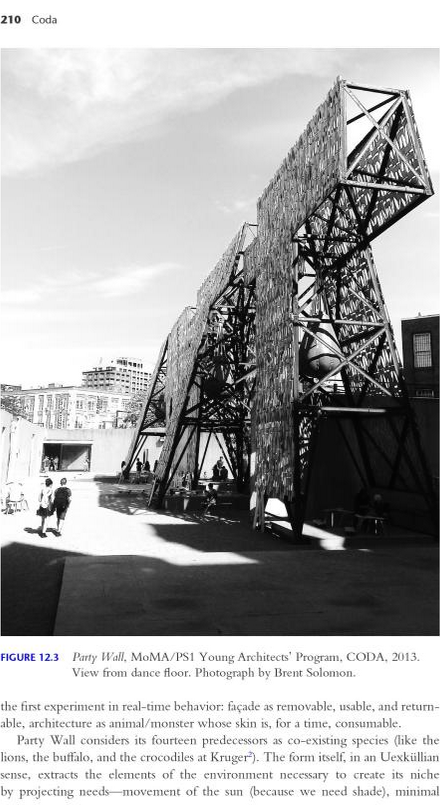
Bracketed between texts on giraffe morphology, ecological perception, ugliness, and hopeful monsters, architectural case studies investigate historical moments when relationships between architecture and site were productively intertwined, from the anomalous city designs of Francesco de Marchi in the sixteenth century to Le Corbusier’s near eradication of context in his Plan Voisin in the twentieth century to the more recent contextualist movements. Extensively illustrated with 140 drawings and photographs, Niche Tactics considers how attention to site might create a generative language for architecture today.


http://www.amazon.com/Niche-Tactics-Generative-Relationships-Architecture/dp/1138793124

Interview with Routledge : https://www.routledge.com/posts/494

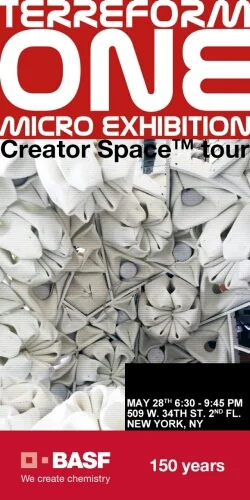
Micro-Exhibition hosted by Terreform ONE | BASF Creator Space™

upload.jpeg

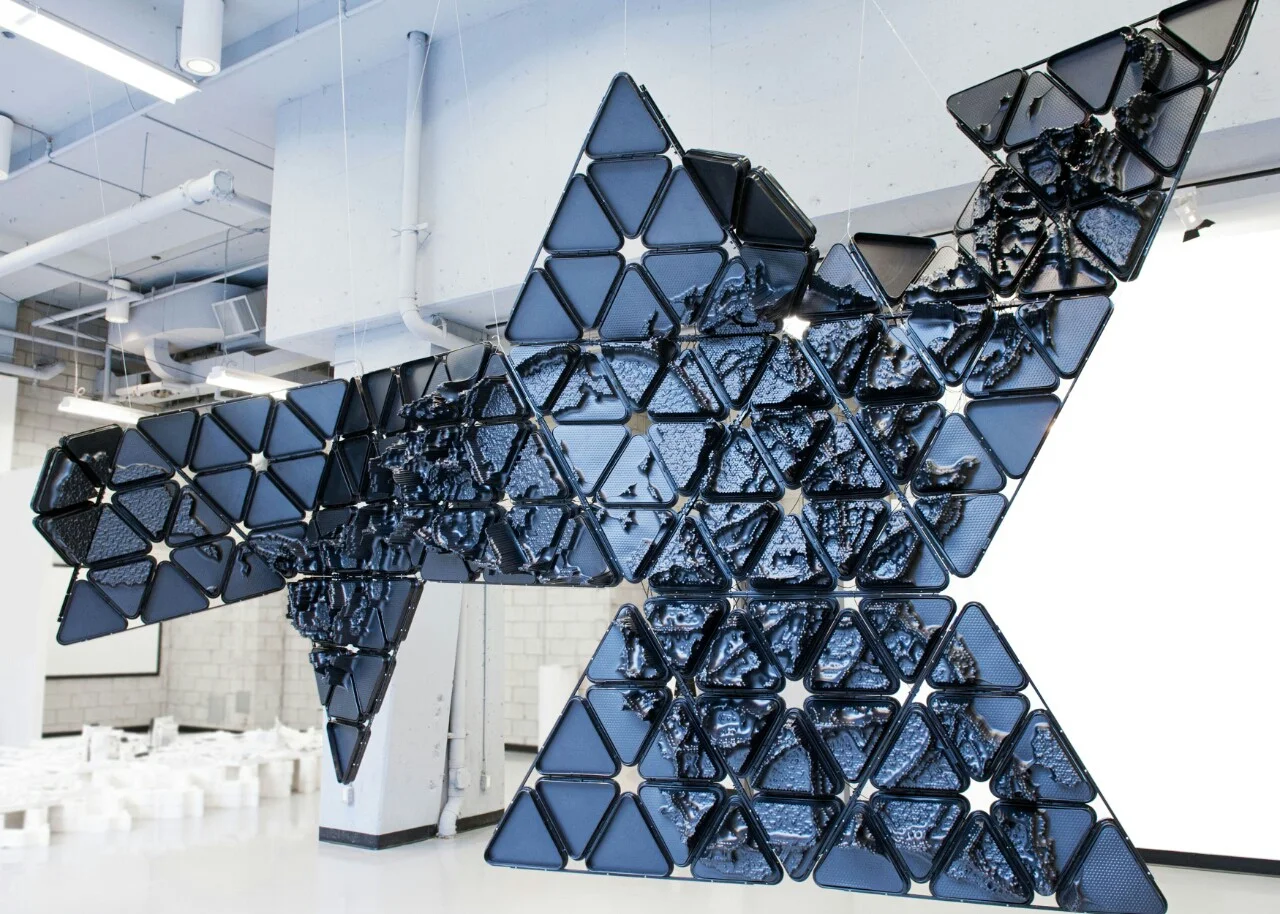
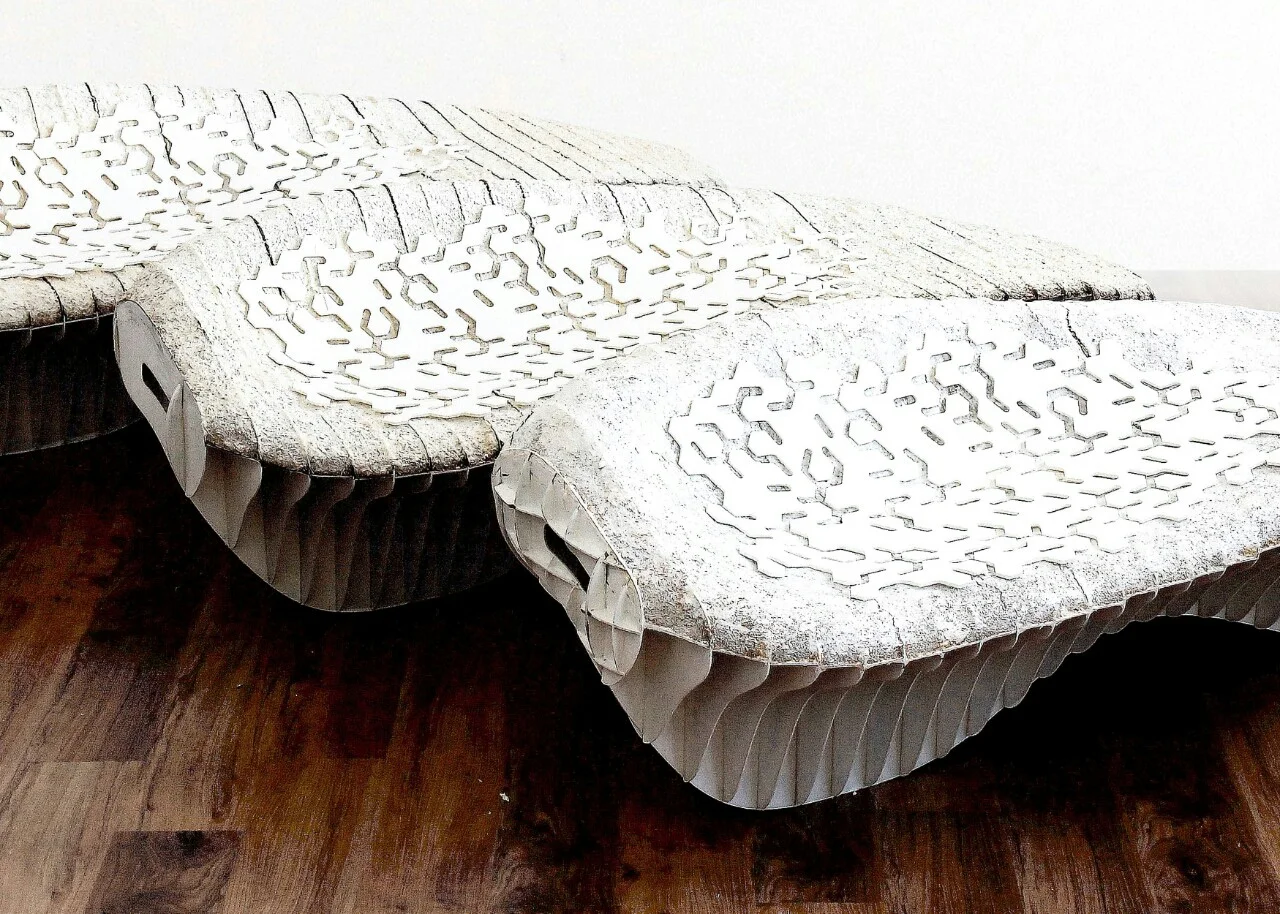
By 2050, there will be more than nine billion people living on Earth, primarily in cities. The needs of the growing world population for good living conditions, energy and food can only be met through innovations. Terreform ONE, a non-profit design group that promotes smart design in cities will host a series of exploratory and radical proposals for development of these smart cities. These proposals address the ecologies of cities, systems and objects at a number of different scales and incorporate contemporary bio-design methods.

A reception with a panel talk about the pieces and the trends they relate to will be held in the evening on May 28.


>> More about Terreform ONE

>> REGISTER HERE

upload.jpeg
upload.jpeg
upload.jpeg
Source: https://creator-space.basf.com/content/basf/creatorspace/en/events/micro-exhibition-terreform-one.upcoming.html

Emerging Voices: Gabriela Etchegaray and Jorge Ambrosi; Neri Oxman

Emerging Voices
Gabriela Etchegaray and Jorge Ambrosi, AMBROSI | ETCHEGARAY, Mexico City
Neri Oxman, Mediated Matter Group, MIT Media Lab, Cambridge
Introduced by Billie Tsien

upload.jpeg

1.5 AIA and New York State CEUs

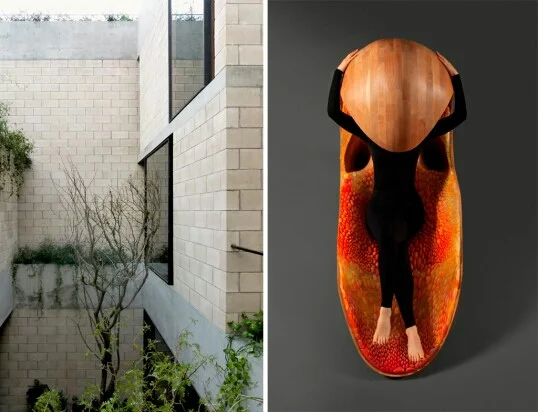
The final evening of the annual Emerging Voices lecture series features Gabriela Etchegaray and Jorge Ambrosi of AMBROSI | ETCHEGARAY and Neri Oxman of Mediated Matter Group, MIT Media Lab. Emerging Voices spotlights individuals and firms based in the United States, Canada, or Mexico with distinct design voices and the potential to influence the disciplines of architecture, landscape architecture, and urbanism.

Jorge Ambrosi and Gabriela Etchegaray founded Mexico City-based AMBROSI | ETCHEGARAY in 2011. The firm considers “architecture in harmony with nature, where earth, gravity and light must be present.” Current projects include Papalote Museo del Niño, an outdoor “museography-landscape,” as well as a collaboration with GMexico Mine Company to build cultural plazas and sports infrastructure in local communities. For more on AMBROSI | ETCHEGARAY, click here.

Neri Oxman founded Mediated Matter Group at the MIT Media Lab in 2010. Concerned with how “digital design and fabrication technologies mediate between matter and environment to radically transform the design and construction of objects, buildings, and systems,” Mediated Matter Group’s research merges “computational form-finding strategies with biologically inspired fabrication.” For more on Mediated Matter Group, click here.

Billie Tsien is the partner and founder of Tod Williams Billie Tsein Architects. She is the president of The Architectural League and served on this year’s Emerging Voices committee.


Time & Place

Thursday, March 26, 2015
7:00 p.m.
Scholastic Auditorium
557 Broadway
New York

Source: http://archleague.org/2015/03/emerging-voices-gabriela-etchegaray-and-jorge-ambrosi-neri-oxman/

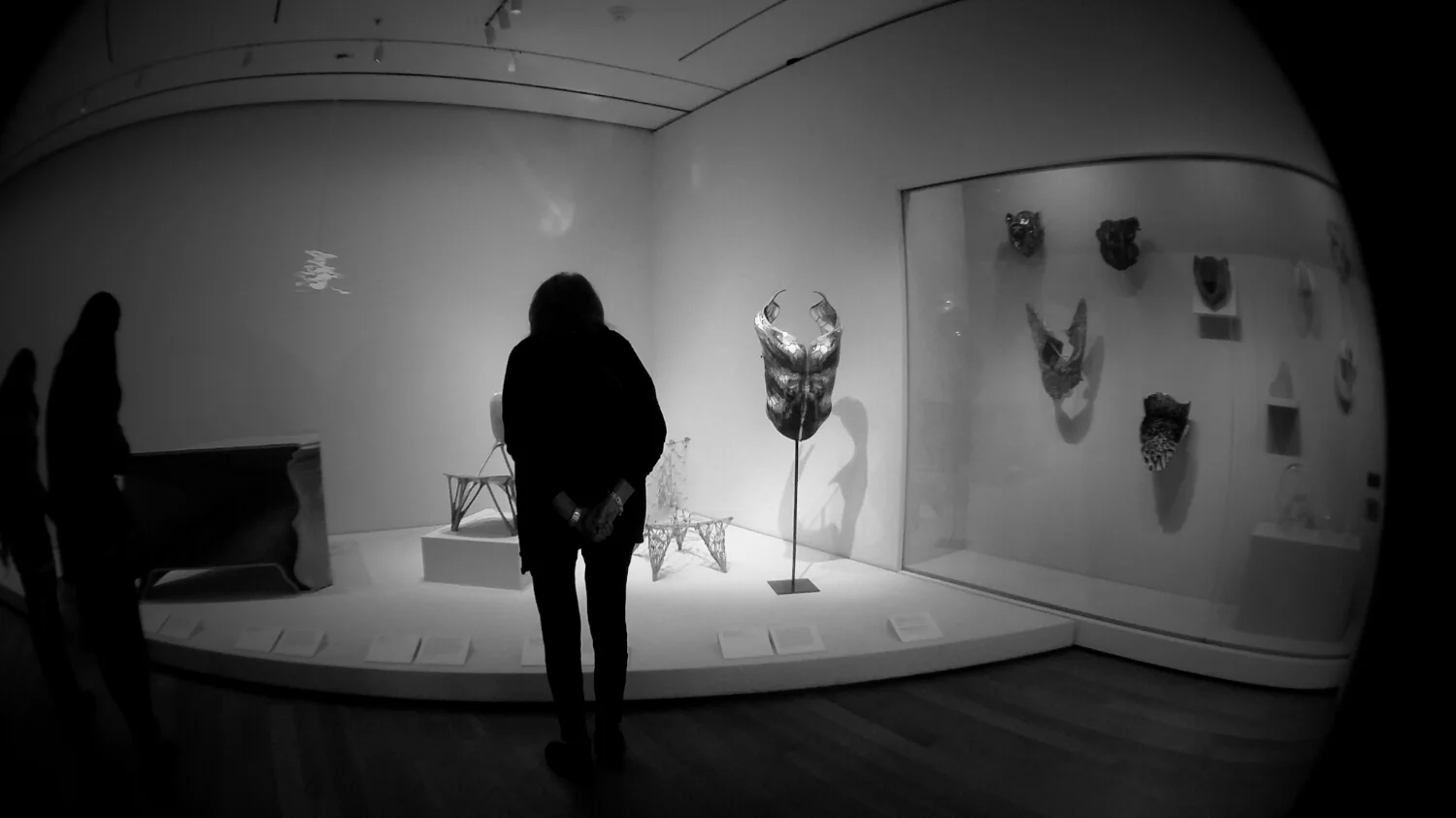
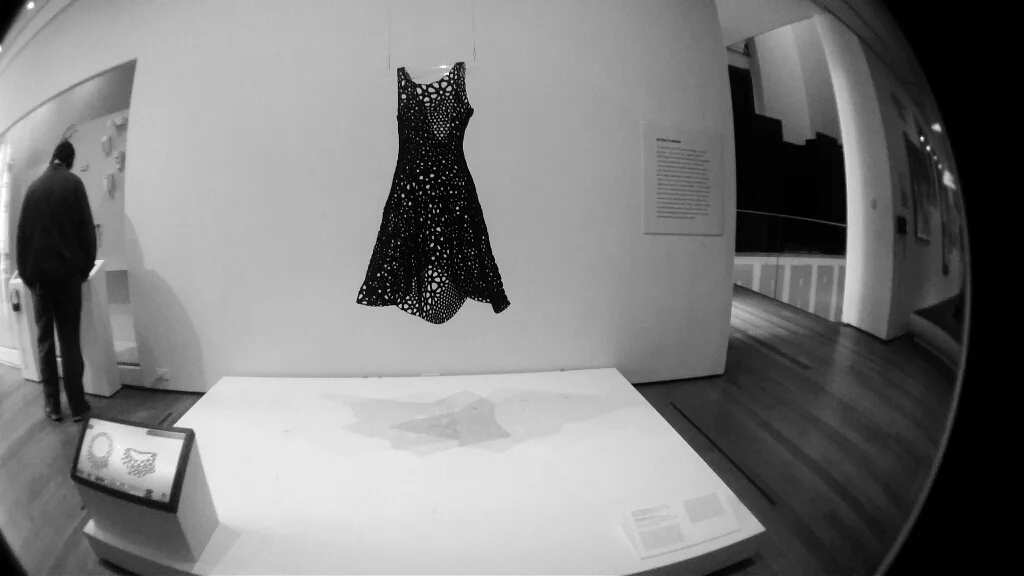
This Is for Everyone: Design Experiments for the Common Good | MOMA

FEBRUARY 14, 2015–JANUARY 01, 2016

ARCHITECTURE AND DESIGN GALLERIES, THIRD FLOOR

upload.jpeg

MOMA press release:

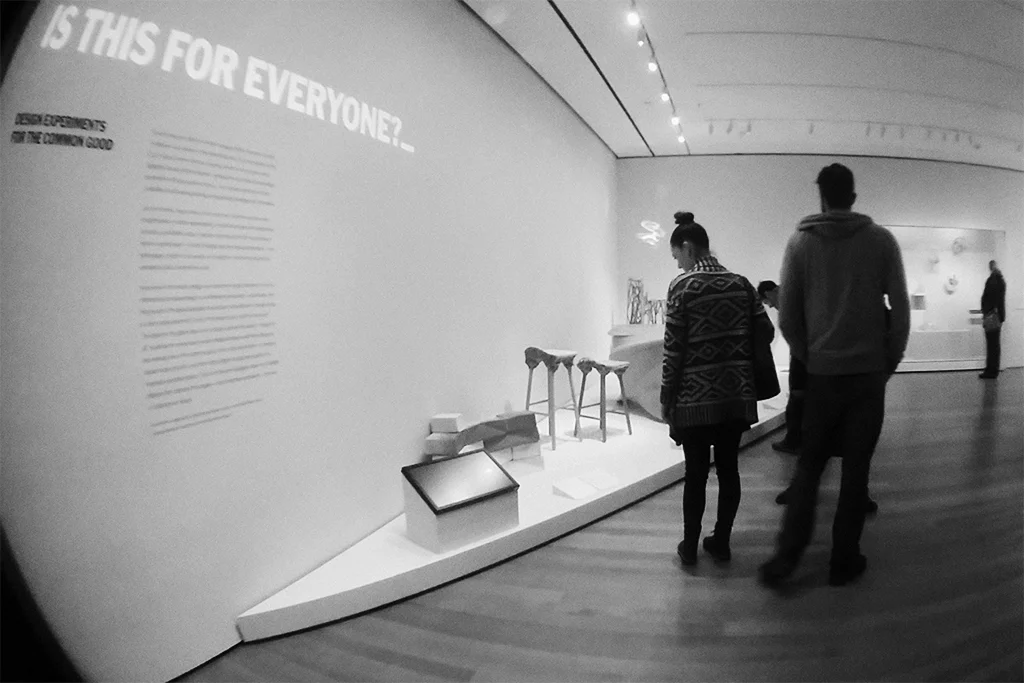
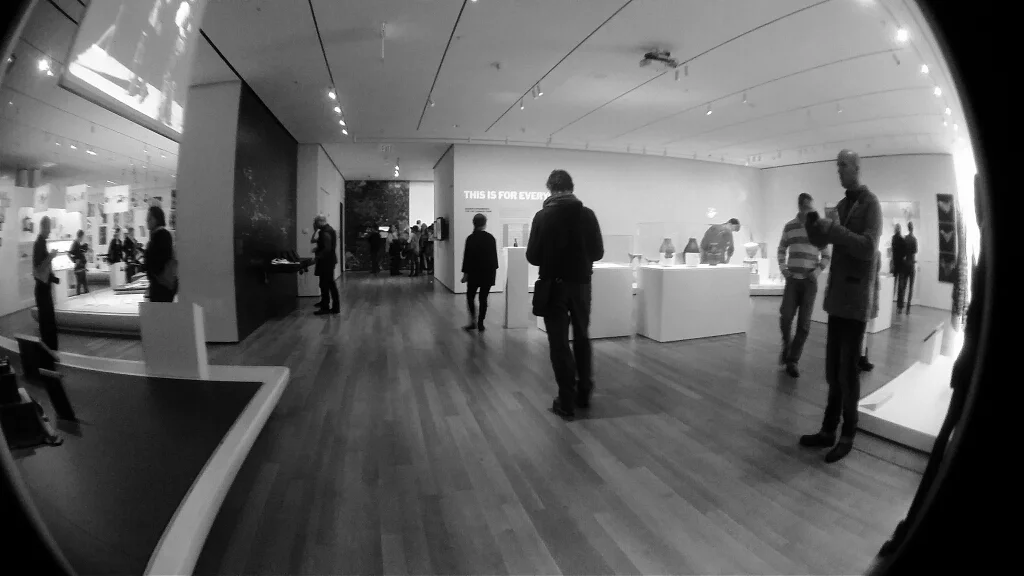
This exhibition takes its title from the Twitter message that British computer scientist Tim Berners-Lee (inventor of the World Wide Web) used to light up the stadium at the opening ceremonies for the 2012 Olympic games in London. His buoyant tweet highlighted the way that the Internet—perhaps the most radical design experiment of the last quarter century—has created limitless possibilities for the discovery, sharing, and expansion of knowledge and information.

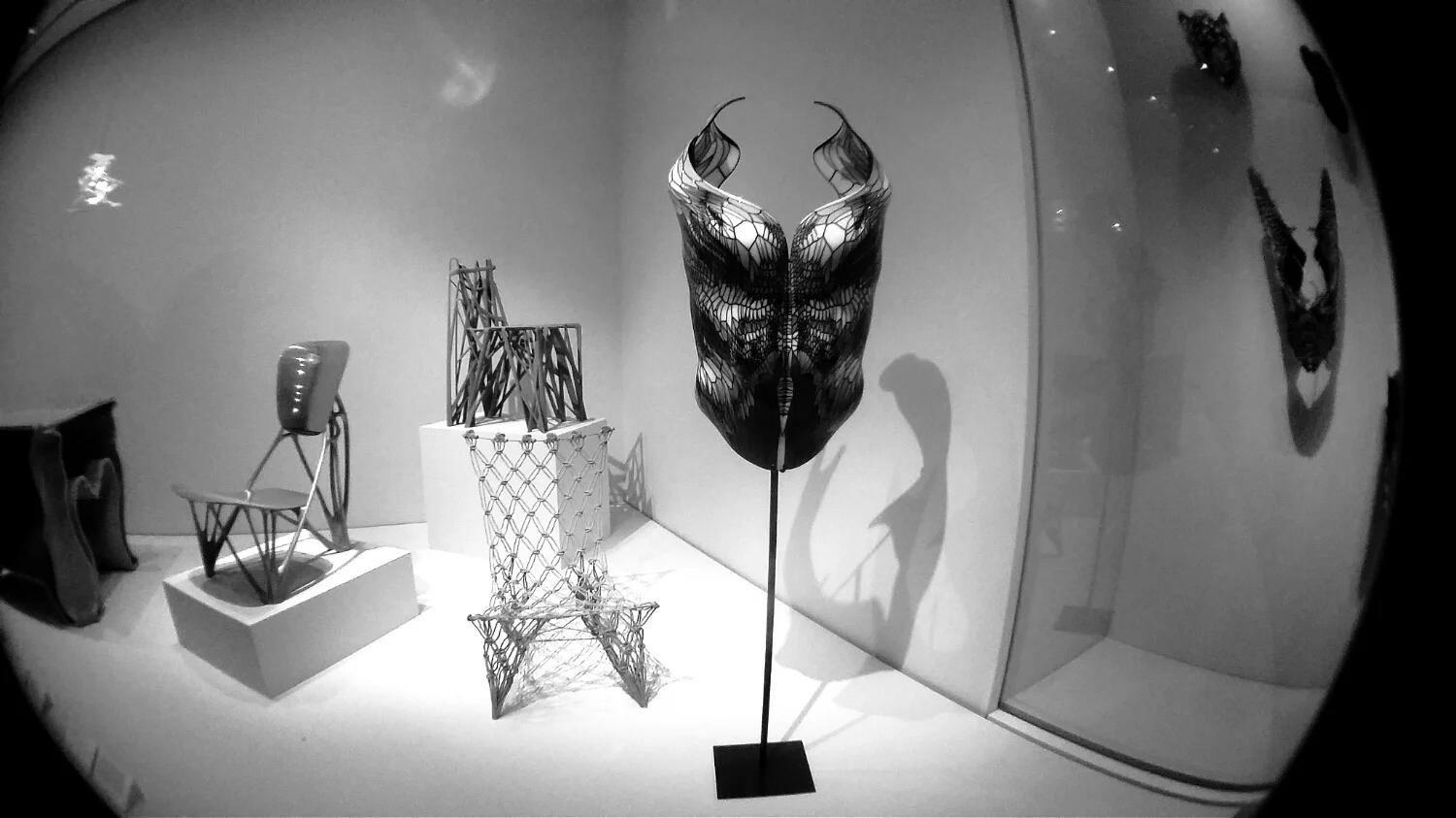
As we revel in this abundant possibility, we sometimes forget that new technologies are not inherently democratic. Is design in the digital age—so often simply assumed to be for the greater good—truly for everyone? From initial exploratory experiments to complex, and often contested, hybrid digital-analog states to “universal” designs, This Is for Everyoneexplores this question with design works from MoMA’s collection that celebrate the promise—and occasional flipside—of contemporary design.

Organized by Paola Antonelli, Senior Curator, and Michelle Millar Fisher, Curatorial Assistant, Department of Architecture and Design.

Architecture and Design Collection Exhibitions are made possible by Hyundai Card and Hyundai Capital America.

upload.jpeg
upload.jpeg
upload.jpeg